

It’s a frustrating paradox: your skin feels tight and flaky, yet it’s also shiny with excess oil. This is a common winter woe, where skin seems to be sending mixed signals. But it's not confused; it's dehydrated and crying out for help.
Dehydrated vs. Dry: It's a Water Issue, Not an Oil Issue
First, let's clear
up a common misunderstanding. Dry skin is a 'type' you are born with, characterized by having fewer oil-producing glands. It consistently lacks sebum, or oil, and often feels rough or flaky. Dehydrated skin, however, is a 'condition' that can affect anyone, even those with oily skin types. It means your skin is lacking water, not oil. This condition is often temporary and caused by external factors like weather, harsh skincare products, or diet. The classic sign of dehydrated skin is the confusing combination of tightness and a shiny surface, because the lack of water compromises your skin's protective barrier.
Why Your Skin Overreacts With Oil
When your skin loses too much water, a process known as transepidermal water loss (TEWL) occurs. This signals that your skin’s protective barrier is compromised. In a panic, your skin’s sebaceous glands go into overdrive, producing more oil (sebum) in a desperate attempt to create a seal and prevent further water from escaping. This is a natural defense mechanism. The sebum is meant to lubricate the surface and patch up the faulty barrier. Unfortunately, this emergency response results in that greasy look, which can lead to clogged pores and breakouts, all while the underlying skin remains parched and uncomfortable.
How Winter Makes Everything Worse
Winter is particularly challenging for maintaining skin hydration. The cold, dry air outside has very low humidity, which actively pulls moisture from your skin. Then, you step inside into dry, centrally heated environments that do the same thing. This constant shift between harsh outdoor and indoor climates strips the skin of its natural moisture, exacerbates TEWL, and sends your oil glands into a compensatory frenzy. Even seemingly comforting habits like long, hot showers can strip away the natural oils that help your skin hold onto water, further worsening dehydration.
The Solution: Rebalancing with Hydration
The key to breaking this cycle isn't to use harsh, stripping products to fight the oil. That will only make the dehydration worse and cause your skin to produce even more oil. Instead, the goal is to give your skin what it's actually missing: water. Proper hydration helps repair the skin's barrier, signaling to the sebaceous glands that they can calm down. A balanced routine involves both internal and topical hydration. While drinking enough water is crucial for your overall health, topical products are essential for directly delivering and locking moisture into the skin.
Your Winter Hydration Toolkit
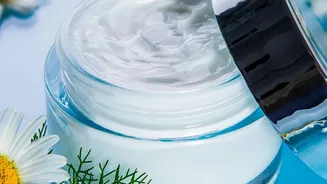
Building an effective routine means using the right types of hydrating ingredients. For a balanced winter complexion, focus on layering products that serve different functions. Start with a gentle, non_stripping cleanser. Next, look for ingredients that fall into three key categories: humectants, emollients, and occlusives. Humectants like hyaluronic acid and glycerin are 'water magnets'; they pull moisture into the skin. Apply a serum with these ingredients to damp skin. Emollients such as ceramides and squalane act as the 'glue,' helping to smooth the skin's surface and repair its barrier. Finally, occlusives like shea butter create a physical seal to lock all that moisture in. Using a lightweight, oil_free moisturizer that contains these ingredients will provide necessary hydration without clogging pores.