






The Rise of the Micro-Cation
Forget saving up all year for a single two-week holiday. For a growing number of young Indians, travel is no longer an annual affair but a regular habit. Welcome to the era of the 'micro-cation'—short, frequent getaways of two to four days, often planned
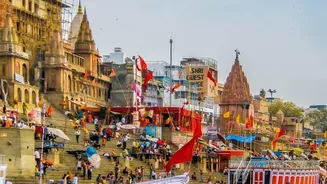
spontaneously over a long weekend. Recent reports show a significant shift, with some studies indicating that as many as seven in ten Gen Z travellers prefer taking multiple short trips over one long vacation. This move towards what some call 'holiday snacking' is transforming travel from a once-a-year luxury into a consistent lifestyle choice, woven into the fabric of everyday life. It's a fundamental change from the checklist-driven tourism of previous generations to a more reflexive response to a simple question from a friend: 'Let's go?'.
Why Shorter and More Often?
Several factors are fuelling this trend. A key driver is the pursuit of mental well-being; for many, these short breaks are a necessary escape from stress and burnout. Instead of waiting for a big holiday, young travellers are taking 'menty b' (mental break) trips when they feel overwhelmed. This generation values experiences over possessions and flexibility above all. Affordability also plays a huge role. Shorter trips are inherently more budget-friendly, allowing for more frequent travel without a significant financial commitment. This aligns with the fact that while Gen Z wants to travel more, they are also conscious of costs, often opting for budget stays to stretch their holiday funds further. The rise of remote and flexible work culture, accelerated during the pandemic, has also made it easier to take a quick break from a nearby destination without using up precious leave days.
The 'Anti-Itinerary' Generation
This new travel style is not just about frequency; it's also about intent. Gen Z is often called the 'anti-itinerary' generation. Unlike the meticulously planned schedules of the past, these trips are often spontaneous, with many booking just days before departure. The goal is no longer to tick off a list of famous attractions. In fact, many actively seek out undiscovered places over viral recommendations, a trend dubbed 'de-influenced' travel. Reports show a high percentage of young travellers want their trips to feel personal and unique, prioritising small moments like exploring a local market over visiting a crowded monument. It's about immersion and authenticity, with the quality of the experience trumping the checklist of sights seen.
How the Travel Industry Is Responding
India's travel and hospitality sector is adapting quickly to these new demands. Hotels and travel companies are curating weekend packages, promoting staycations, and offering flexible booking options to cater to spontaneous travellers. There's a noticeable move away from standardized hotel experiences toward more personalized stays like homestays, boutique properties, and rented villas. The focus on experiences has led to a boom in activity-based offerings, from cultural tours and food trails to adventure sports. Destinations are also changing. While major hubs remain popular, there is a growing interest in off-the-beaten-path locations, especially those that are a short drive or train ride away, making them perfect for a quick escape.