




After a season defined by bowling inconsistencies, Sunrisers Hyderabad's management is making bold moves. With captain Pat Cummins likely to miss games, SRH has turned to shrewd trades, signaling a clear and aggressive strategy for redemption.
The Lingering Pains of 2026
To understand
the brilliance of Sunrisers Hyderabad’s current strategy, one must first recall the frustrations of the 2026 IPL season. While the batting unit often fired, the bowling attack frequently fell short, particularly in the high-pressure final overs. The team struggled to defend competitive totals, with a visible lack of specialist death bowlers who could reliably execute their skills under pressure. The attack appeared one-dimensional at times, and an over-reliance on Pat Cummins to provide control and breakthroughs left the team vulnerable when he had an off day. Fans were left wondering how a franchise historically known for its formidable bowling could seem so toothless at critical junctures. The core issue was clear: a lack of depth and specialist skill sets meant that opponents could target the final five overs with confidence, a weakness that ultimately cost SRH crucial matches and momentum.
The Cummins Conundrum
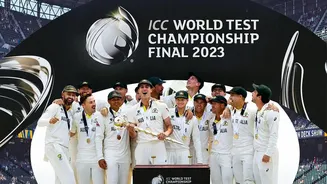
Compounding the existing issues is the looming cloud over Pat Cummins' availability for the 2027 season. As the Australian Test captain, his national duties are paramount. The scheduling of the World Test Championship (WTC) final often clashes directly with the latter stages of the IPL. This presents a significant problem for SRH, as Cummins is not just their premier bowler but also their captain. Losing him for a portion of the tournament would create a massive void in terms of on-field leadership and, more critically, world-class pace bowling. The management faced a choice: hope for the best, or plan for the worst. Waiting to find a last-minute replacement would be a recipe for disaster. Instead, SRH has chosen to act decisively, viewing the Cummins situation not as a crisis, but as an opportunity to re-engineer their entire bowling philosophy.
A Three-Pronged Reinforcement
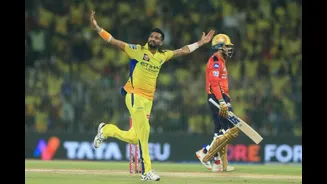
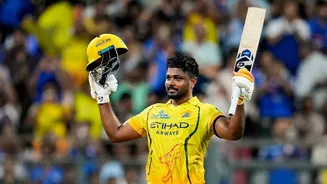
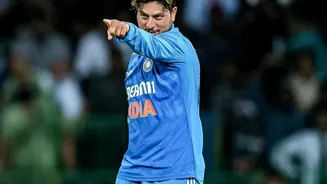
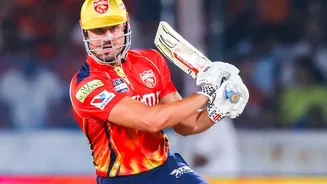
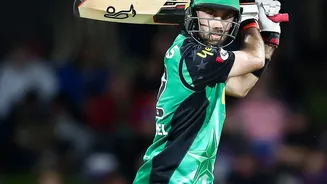
The response from the SRH think tank has been nothing short of a strategic masterclass, executed through a series of calculated trades. The first move, securing T. Natarajan from Delhi Capitals, marks the return of a beloved former player. Natarajan, renowned for his pinpoint yorkers and composure at the death, directly addresses the team's most glaring weakness. His left-arm angle provides crucial variety. Following this, SRH engineered a double swoop from Chennai Super Kings for Khaleel Ahmed and Nathan Ellis. Khaleel, another left-armer, offers genuine pace and new-ball swing, capable of taking early wickets to put pressure on the opposition from the start. Nathan Ellis is the quintessential modern T20 specialist—a death-overs maestro with a deceptive array of slower balls and an ice-cool temperament. The Australian has built a global reputation for thriving in the exact situations where SRH faltered in 2026.
Why It's a Masterstroke
These trades represent far more than just plugging gaps. This is a deliberate move to build a versatile, multi-faceted pace attack that is not dependent on a single individual. In Natarajan and Ellis, SRH now has two elite death-bowling options, allowing them to attack relentlessly in the final overs. The leftarm combination of Natarajan and Khaleel offers a tactical advantage that SRH has lacked, creating uncomfortable angles for righthanded batsmen. This isn't just a Plan B for Cummins' absence; it's a new Plan A. The strategy also showcases incredible foresight regarding team balance. By acquiring two quality Indian pacers in Natarajan and Khaleel, SRH frees up a valuable overseas slot in the playing XI. This newfound flexibility could be used to bolster the middleorder batting, bring in a specialist spinner, or even play an overseas allrounder, giving the captain multiple strategic pathways to victory on any day. It’s a holistic approach to squad construction, not just a shortterm fix.