





An Overview of the Key Changes
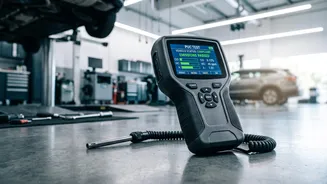
The Ministry of Road Transport and Highways (MoRTH) has streamlined the PUC system to create a more unified and stringent process nationwide. The most significant change is the introduction of a uniform PUC certificate format that will be consistent across
all states and union territories. Previously, the format and details on the certificate could vary from one state to another, creating inconsistencies. This move aims to eliminate such discrepancies and establish a national standard for emissions testing. The new system is deeply integrated with the central VAHAN database, a comprehensive national registry of motor vehicles. This integration ensures that all data from PUC centres is captured in real-time, making the entire process more transparent and harder to circumvent.
New Validity Periods You Must Know
One of the most critical updates for vehicle owners is the revision of validity periods for the PUC certificate. The rules now differentiate based on the vehicle's emission standard compliance. For newer vehicles that are compliant with BS-IV, BS-V, and BS-VI emission norms, the PUC certificate will be valid for one year. For vehicles that comply with earlier norms, such as BS-III or older, the validity period is shorter, typically ranging from three to six months. It's important to note that brand-new vehicles are exempt from needing a PUC certificate for the first year from their date of registration. After that initial year, they must adhere to the same testing cycle as other vehicles. This tiered system is designed to keep a closer watch on older, potentially more polluting vehicles while giving some leeway to newer, cleaner ones.
A Smarter, Digital Certificate
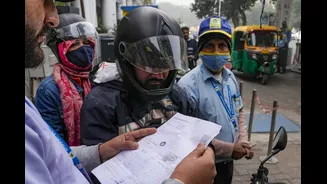
The redesigned PUC certificate is not just a piece of paper; it's a secure digital document. Every new certificate will feature a QR code that can be scanned to verify its authenticity and retrieve detailed information. This QR code will contain the complete details of the vehicle, the owner, and the emission test results. Information such as the owner's name, mobile number, address, engine number, and chassis number will be embedded within the code, linking the certificate directly and securely to the vehicle and its owner. This makes forgery significantly more difficult and allows enforcement authorities to quickly verify a vehicle's compliance status using a simple scanner. The system is also designed to send automated reminders to owners before their PUC certificate expires.
The 'Why' Behind the Overhaul
These changes are part of a larger government initiative to combat vehicular pollution, which remains a major environmental and health concern in many Indian cities. By creating a centralized, real-time database of emissions data, authorities can better monitor compliance on a national scale. The previous system had loopholes that allowed some vehicle owners to obtain fraudulent certificates or simply avoid testing altogether. The new digital framework, linked to the VAHAN portal, makes it much harder to slip through the cracks. If a vehicle fails its emission test, a 'rejection slip' will be issued, and the information will be updated on the central server. This signals a clear intent from the government to enforce emission norms more strictly and hold vehicle owners accountable for their vehicle's environmental impact.
Stricter Penalties for Non-Compliance
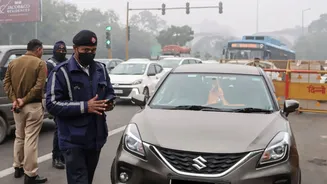
With new rules come stricter consequences for failing to follow them. Driving a vehicle without a valid PUC certificate can now lead to significant penalties under the Motor Vehicles Act. Offenders could face a fine of up to ₹10,000, imprisonment for up to three months, or both. Authorities may also suspend the driver's license for three months. Furthermore, the new rules include provisions for more severe action in case of repeated failures. If a vehicle fails the emission test and the owner does not get it repaired to meet the norms within the stipulated time, authorities have the power to confiscate the vehicle's Registration Certificate (RC), effectively taking it off the road until it is compliant. This tough stance underscores the importance of timely vehicle maintenance and adherence to the new PUC guidelines.