



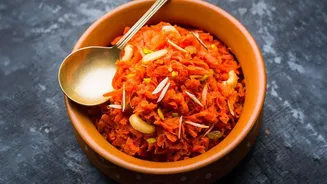

The Magic of Winter Carrots
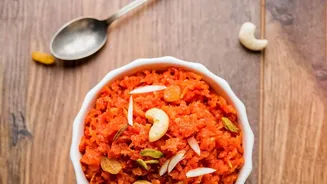
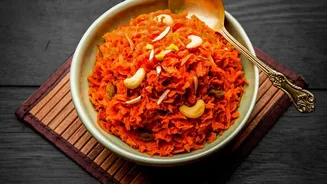
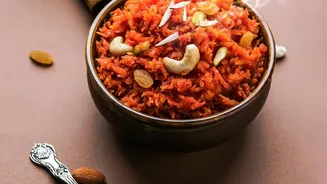
The secret to an exceptional Gajar ka Halwa lies in the carrots themselves. Traditionally, this dessert is made with the seasonal red carrots, often called 'Delhi carrots', which flood Indian markets during the winter months. These carrots are tender,
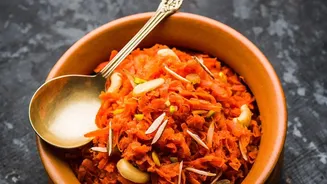
juicy, and naturally sweeter than their year-round orange counterparts, which means you often need less sugar to achieve the perfect taste. Their vibrant red hue also gives the halwa its iconic, rich colour. While you can make this dish with regular orange carrots, using the seasonal red variety elevates it from simply good to truly special. The carrots are a good source of vitamins A and C, helping to boost immunity during the colder months.
Your Ingredients for a Perfect Halwa
This dessert is born from a few simple, yet crucial, ingredients. For the most authentic and richest flavour, you will need approximately 1 kg of grated red carrots, 1 litre of full-fat milk, 1 cup of sugar (adjust to taste), 3-4 tablespoons of ghee, and a ½ teaspoon of cardamom powder. The full-fat milk is non-negotiable for achieving a creamy texture, as it reduces down to create natural milk solids, enriching the halwa. Ghee, or clarified butter, provides a nutty aroma and a luxurious finish that is essential to the dish. For garnish, have a handful of chopped nuts like almonds, cashews, and pistachios ready, along with some raisins.
The Traditional Slow-Cook Method
The soul of Gajar ka Halwa comes from the slow-cooking process. Patience is key. Start by combining the grated carrots and full-fat milk in a large, heavy-bottomed pan or kadai. A heavy base is crucial to prevent the milk from scorching. Bring the mixture to a gentle boil over medium heat, then reduce it to a simmer. Let it cook, stirring every few minutes, until the carrots are tender and the milk has reduced by about 75%. This can take the better part of an hour, but it's where the magic happens as the carrots absorb all the creamy goodness. Scrape the sides of the pan periodically, mixing the collected milk solids back into the halwa.
Building the Flavour
Once the milk has significantly reduced, it's time to build the layers of flavour. Add the ghee and sugar to the pan. A common mistake is adding sugar too early; it should only be added after the carrots are tender. Upon adding sugar, the mixture will become liquid again as the sugar dissolves. Continue to cook, stirring more frequently now, until the mixture thickens once more and starts to pull away from the sides of the pan. This is the 'bhunai' or roasting stage, where the halwa develops its characteristic glossy sheen and deep, caramelised flavour. Finally, stir in the cardamom powder and your chosen nuts and raisins, cooking for just another couple of minutes before taking it off the heat.
Shortcuts and Variations
While the traditional method yields unparalleled results, modern kitchens have found ways to speed up the process. Many recipes use sweetened condensed milk or khoya (dried milk solids) to achieve a rich texture in less time. If using condensed milk, you can sauté the carrots in ghee, then add the condensed milk and cook until the mixture thickens, forgoing the long milk-reduction process. Keep in mind that condensed milk is already sweet, so you will need to drastically reduce or eliminate any added sugar. Another popular variation involves using a pressure cooker or an Instant Pot, which can significantly cut down the cooking time while still producing a delicious result.