


Your Shelter: The Four-Season Fortress
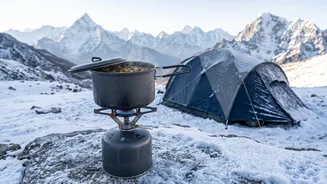
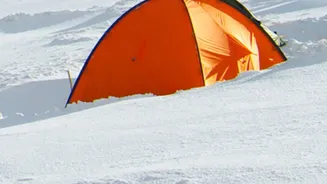
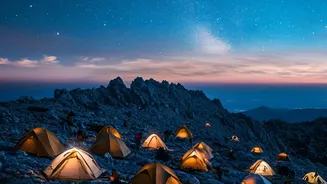
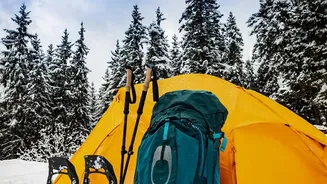
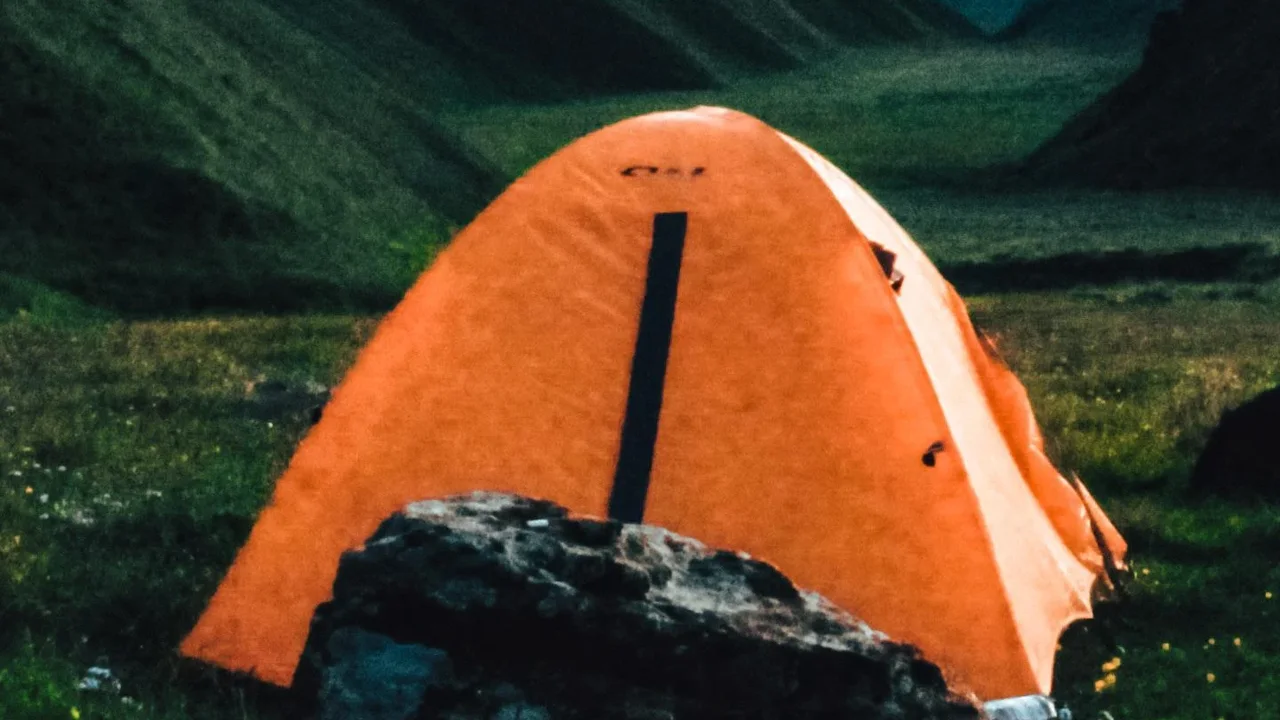
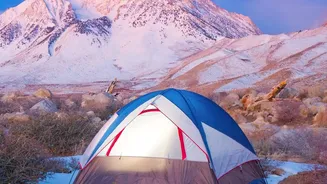
Your tent is your lifeline against wind and snow. While a three-season tent might suffice below the treeline in calm weather, the high Himalayas demand a four-season model. These tents feature stronger poles and more robust fabrics to handle strong gusts
and heavy snowfall. They also have less mesh, which helps retain precious warmth. Before your trip, practice setting up your tent, even in the cold or with gloves on. Seam-seal your tent at home and check for any potential weak points. On the trail, a tent with a little extra room (a three-person tent for two people, for example) provides valuable space to store gear inside, keeping it from freezing overnight.
The Sleep System: Your Warmth Cocoon
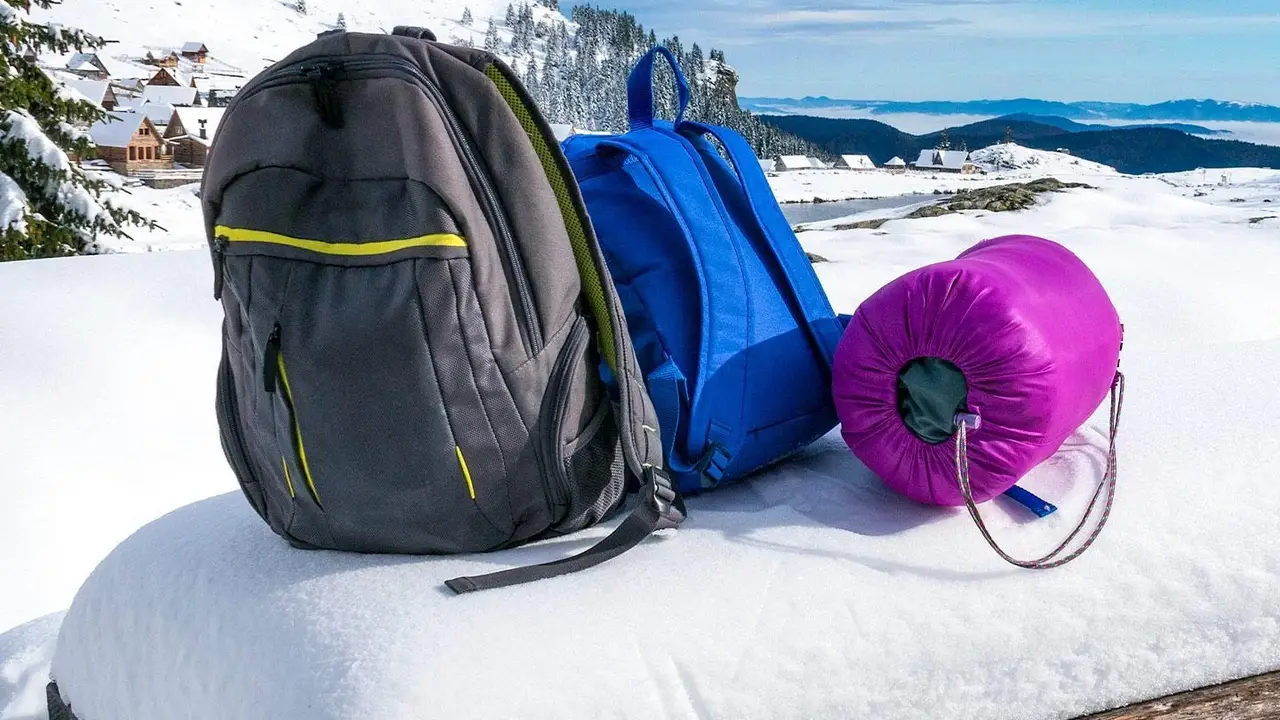
A good night's sleep is non-negotiable for recovery at altitude. Your sleep system has three critical parts: the sleeping bag, the sleeping pad, and a liner. For sleeping bags, look for a 'comfort' rating that is at least 10°F (or about 5-6°C) lower than the coldest temperature you expect to encounter. A bag rated to -10°C is a common choice for many Himalayan winter treks. Down insulation offers the best warmth-to-weight ratio, but it loses its insulating properties when wet, so keeping it in a waterproof stuff sack is crucial. Your sleeping pad is just as important; it insulates you from the freezing ground which can sap your body heat. Look for a pad with a high R-value (a measure of thermal resistance), ideally 5 or higher for winter conditions. Some trekkers even use two pads—one foam and one inflatable—for maximum insulation. Finally, a sleeping bag liner can add an extra 5-15°F of warmth and keeps your main bag cleaner.
Mastering The Art of Layering
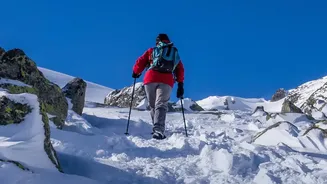
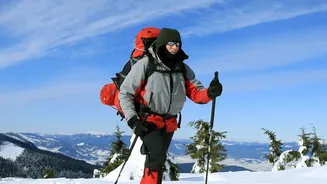
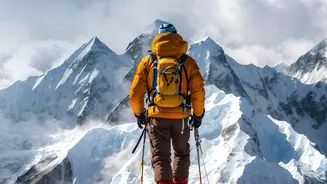
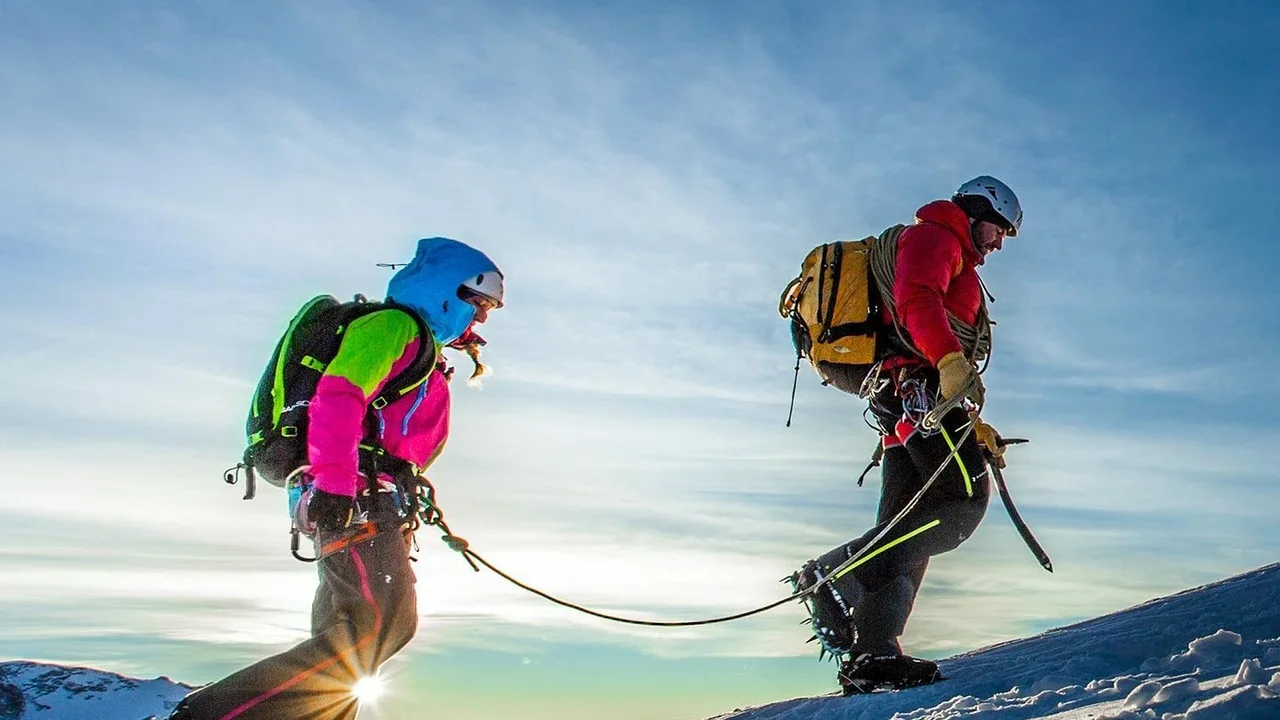
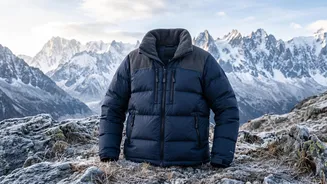
The key to staying warm is managing moisture and trapping air. This is achieved through a layering system, which you can adjust as conditions change. Your base layer, worn against the skin, should be made of a moisture-wicking material like merino wool or a synthetic fabric. Avoid cotton at all costs, as it holds sweat and makes you cold. Your mid-layer provides insulation. This is typically a fleece jacket and, for colder conditions, a light puffy jacket filled with down or synthetic material. Your outer layer, or shell, must be waterproof and windproof to protect you from the elements. This three-part system works for your legs too: thermal bottoms, fleece pants, and waterproof over-trousers. Pack at least five warm upper layers in total for a typical winter trek.
Protecting Your Extremities
Your feet, hands, and head are often the first to feel the cold. For your feet, waterproof trekking shoes with good ankle support are essential. Ensure they are not too tight, as this can restrict circulation. Pair them with wool or synthetic socks—never cotton. It's wise to carry a spare dry pair of socks just for sleeping. Gaiters are also highly recommended to keep snow out of your boots. For your hands, a two-glove system works best: a thin pair of liner gloves for dexterity and a thick, insulated, waterproof pair of mittens or gloves over them. A warm woollen or fleece hat that covers your ears is a must, as is a neck gaiter or balaclava to protect your face from biting winds.
Fuel and Hydration Essentials
At high altitudes, your body works harder and needs more calories to stay warm. Liquid-fuel stoves perform more reliably in the extreme cold than canister stoves. Always carry an insulated water bottle or flask to prevent your water from freezing. Staying hydrated is crucial for acclimatisation. High-energy snacks that are easy to eat in the cold, like nuts, chocolate, and energy bars, are perfect for maintaining your energy levels throughout the day. A simple trick is to fill a bottle with hot water before bed and place it in your sleeping bag—it acts as a personal heater and provides you with unfrozen water in the morning.