





The Concrete Ovens We Live In
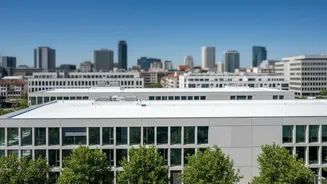
Anyone who has walked barefoot on a dark terrace in May knows the feeling. Our cities, filled with concrete buildings, dark asphalt roads, and dense construction, absorb and trap enormous amounts of heat. This phenomenon is known as the Urban Heat Island
(UHI) effect. It causes metropolitan areas to be significantly warmer than the surrounding rural areas, sometimes by as much as 6°C. This isn't just about discomfort. The UHI effect exacerbates heatwaves, strains electricity grids due to increased air-conditioner use, and poses serious health risks like heatstroke and exhaustion, particularly affecting vulnerable populations. Studies show that heatwaves in India have become more frequent and intense, making our cities feel like ovens.
Enter the Cool Roof: A Simple Solution
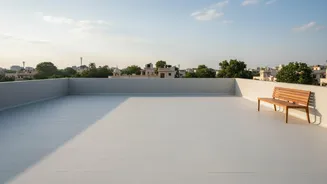
So, what can be done? The answer may be simpler than you think: giving our roofs a 'cool' makeover. A cool roof is essentially a roofing system designed to reflect more sunlight and absorb less heat than a standard roof. Think of it like choosing to wear a white shirt instead of a black one on a sunny day. The principle is exactly the same. By reducing heat absorption at the building's primary point of sun exposure—the roof—these upgrades can significantly cool the interiors and the surrounding environment. This can be achieved through various methods, from simple reflective paints and coatings to specialised tiles and membranes.
The Science is Surprisingly Simple
The effectiveness of a cool roof is determined by two key properties: solar reflectance and thermal emittance. Solar reflectance, or 'albedo', is the ability to reflect sunlight. The higher the value, the more sunlight is bounced back into the atmosphere. Thermal emittance is the roof's ability to radiate away the heat it has absorbed. A good cool roof has high values for both, allowing it to stay up to 30°C cooler than a conventional black-tar roof on a hot day. Materials like white lime wash, specialised coatings with titanium dioxide, or even traditional white china mosaic tiles have proven to be highly effective.
The Tangible Benefits: More Than Just Comfort
The praise for cool roofs stems from their multi-layered benefits. The most immediate is a drop in indoor temperatures. Studies have shown cool roofs can lower indoor temperatures by 2°C to 5°C, making homes more liveable without air conditioning. For those who do use ACs, this translates directly into energy savings, with studies showing potential reductions in cooling costs by up to 20%. On a larger scale, widespread adoption of cool roofs can lower a city's overall ambient temperature, reducing the UHI effect and lessening the strain on the power grid during peak summer demand. This also means a reduction in greenhouse gas emissions from power plants.
India's Cool-Roof Pioneers
This isn't just a theoretical concept; it's happening now in India. Ahmedabad has been a frontrunner since its devastating 2010 heatwave, implementing a Heat Action Plan that actively promotes cool roofs. Pilots in the city's slum areas, where homes are most vulnerable to heat, showed significant improvements in living conditions, with residents reporting better sleep and lower electricity bills. Following this success, Telangana became the first state to launch a comprehensive Cool Roof Policy in 2023, mandating them for new government, commercial, and large residential buildings. The state aims to cover 300 square kilometres with cool roofs by 2028, setting a bold precedent for the rest of the country.
Is a Cool Roof Right for You?
For homeowners, the options are varied. The most accessible entry point is applying a high-quality solar reflective paint, which can be done with a roller or brush. For a more durable solution, one could opt for installing white mosaic tiles or specialised cool roof membranes. While some high-tech options can have a higher initial cost, many basic solutions like reflective paint are quite affordable. The long-term energy savings often help recover the initial investment. The main consideration is maintenance; lighter-coloured roofs may need occasional cleaning to maintain their reflectivity. However, for tackling the relentless summer heat, the benefits are proving hard to ignore.