



The End of Mystery Meals
Every refrigerator holds a potential story of forgotten food. A container of what might be pasta sauce, or perhaps chili, sits silently at the back, its origins a complete mystery. This is where the 'sniff test' usually comes in, a risky game of chance
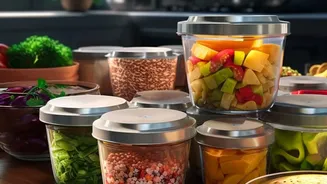
that often ends with perfectly good food being thrown away, or worse, someone eating something that has passed its prime. The simple act of labeling a container with its contents and the date it was made transforms it from a potential hazard into a usable meal. It's the first and most crucial step in taking control of your kitchen, turning chaos into an organised system where food is visible, identifiable, and ready to be used.
A First Line of Defense for Food Safety
Beyond convenience, labeling is a powerful tool for food safety. Cooked food provides a breeding ground for bacteria like Salmonella, Listeria, and E. coli if not handled correctly. These harmful pathogens often don't change the look, smell, or taste of food, making them impossible to detect without proper tracking. Food safety guidelines advise that perishable leftovers should be refrigerated within two hours to stay out of the temperature 'danger zone' (between 40°F and 140°F) where bacteria multiply rapidly. Most leftovers are safe to eat for three to four days when stored in the fridge. A clear label with a date removes all ambiguity, ensuring you and your family consume food well within this safe window and avoid the risk of foodborne illness.
Winning the War on Food Waste
Food waste is a significant issue, with consumer uncertainty over dates contributing to a large percentage of food thrown away at home. When you can't identify what's in a container or how old it is, you're far more likely to discard it. This waste has a direct impact on your household budget. By labeling everything, you create a clear inventory of what you have, preventing items from getting lost and forgotten. This practice encourages a 'First-In, First-Out' (FIFO) system, a method used in professional kitchens to ensure older items are used before newer ones. Seeing a label that says 'Chicken Soup – Oct 14' is a clear prompt to use it for lunch, saving it from the bin and saving you the cost of buying or making something new.
Bringing Kitchen Sanity and Efficiency
An organised fridge is a calm and efficient one. Labeling is a cornerstone of this organisation, making meal planning and preparation significantly smoother. When you can see at a glance that you have leftover roasted vegetables and cooked rice, putting together a quick weeknight meal becomes effortless. It eliminates the mental load of trying to remember what you cooked and when. This system brings a sense of order that extends beyond just leftovers. It can be used for meal-prepped ingredients, open jars of sauce, and even pantry items, creating a cohesive and functional kitchen. This small habit saves time, reduces stress, and makes your kitchen a more enjoyable space to be in.
How to Build a Simple Labeling Habit
The best system is one you'll actually use. You don't need a fancy label maker to get started, though there are many great options available, including erasable and water-dissolvable labels. A roll of masking tape and a permanent marker kept near your food storage containers is often all it takes. The key is to make it a non-negotiable step: as soon as the leftovers are portioned into a container, they get a label with the contents and the date. To make the system even more effective, consider adding a 'use-by' date, which is typically three to four days after the preparation date for refrigerated items. This turns the label from a passive note into an active reminder, giving your future self clear instructions.