





The New Definition of Adventure
The classic image of the Indian adventurer—a seasoned mountaineer battling the elements—is being replaced by a more diverse and accessible picture. Today's thrill-seekers are not just chasing peaks; they are driven by a desire for unique experiences that
fit into a weekend. According to industry experts, the focus has shifted from pure adrenaline to authenticity and connection. This has broadened the adventure umbrella to include activities that are less about endurance and more about experience, like forest bathing, village walks, and learning local crafts. This evolution is powered by a growing middle class with more disposable income and a millennial and Gen Z demographic that prioritizes experiential travel over simple sightseeing. The result is a boom in what the industry calls "soft adventures": shorter, more accessible activities that still offer a powerful sense of discovery and challenge.
The Call of the Water
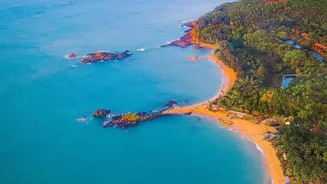
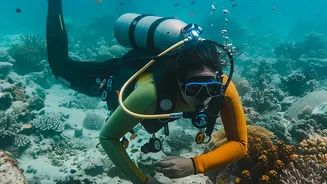
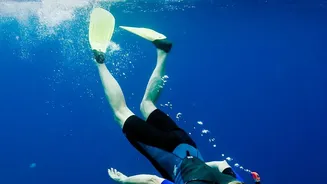
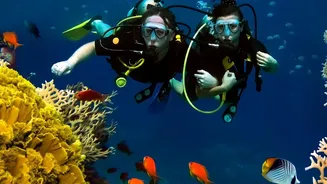
While the mountains will always hold their allure, India's extensive coastline and river systems are emerging as the new frontiers of adventure. States like Kerala, Goa, and the Andaman and Nicobar Islands are becoming hubs for water sports. Activities such as kayaking, surfing, scuba diving, and stand-up paddleboarding are surging in popularity. In places like Covelong in Tamil Nadu and Varkala in Kerala, surf schools are now complete tourism packages, offering co-working spaces and cultural experiences alongside lessons. This growth is partly due to improved infrastructure and safety standards, which make these sports more welcoming for beginners and families. Kerala, for example, has even overtaken Goa as a leading destination by implementing comprehensive safety regulations and hosting international events like white-water kayaking and surfing festivals.
Going Up, and Going Under
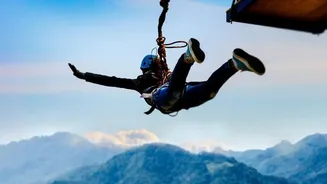
The search for novel experiences is taking travellers to new heights and depths. Aero sports like paragliding and paramotoring are gaining significant traction, offering a bird's-eye view of India's diverse landscapes. Destinations such as Bir Billing in Himachal Pradesh, often called India's paragliding capital, along with Kamshet in Maharashtra and Nainital in Uttarakhand, are drawing crowds of first-timers and seasoned flyers alike. Simultaneously, a fascinating world is opening up underground. Meghalaya, with over 1,200 limestone caves, boasts one of the largest cave networks on the subcontinent. Caving, or spelunking, combined with canyoning through its river gorges, offers a raw, otherworldly adventure. Tour operators now offer guided expeditions, making these technical activities accessible to a wider audience looking for a truly unique challenge.
Why the Shift Is Happening Now
Several factors are fuelling this diversification. A major driver is the desire for authentic, story-worthy experiences that go beyond a simple checklist of sights. Today's travellers want to return home with a sense of connection and a good story, often shared instantly through social media. This has shifted the focus from the hardship of the journey to the quality of the experience. Furthermore, the adventure tourism ecosystem has matured significantly. There is now a growing number of professional, specialized operators providing expert guidance and ensuring higher safety standards, which builds confidence among participants. Government initiatives to promote tourism and develop infrastructure in previously overlooked regions have also played a crucial role, opening up new destinations and activities for exploration.