

An Art Form with Divine Origins
Temple jewellery's story begins not in a bride's trousseau, but in the sanctums of South India's great temples during the Chola dynasty, over a thousand years ago. Initially, this exquisite jewellery was crafted exclusively as offerings to adorn the idols
of gods and goddesses for rituals and festivals. Artisans, commissioned by royalty and devotees, used pure gold and precious stones to create elaborate pieces that mirrored the sacred motifs and architecture of the temples themselves. This practice was considered an act of devotion, with every design holding deep spiritual meaning. For centuries, these divine ornaments were reserved for deities, creating a powerful association between this style and sacredness.
Symbolism in Every Intricate Detail
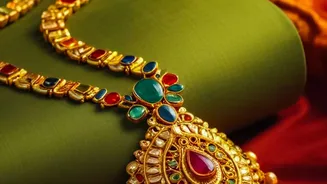
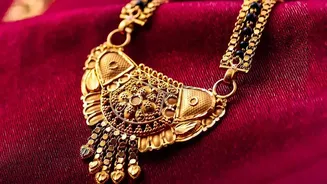
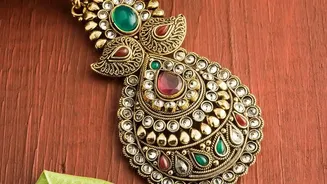
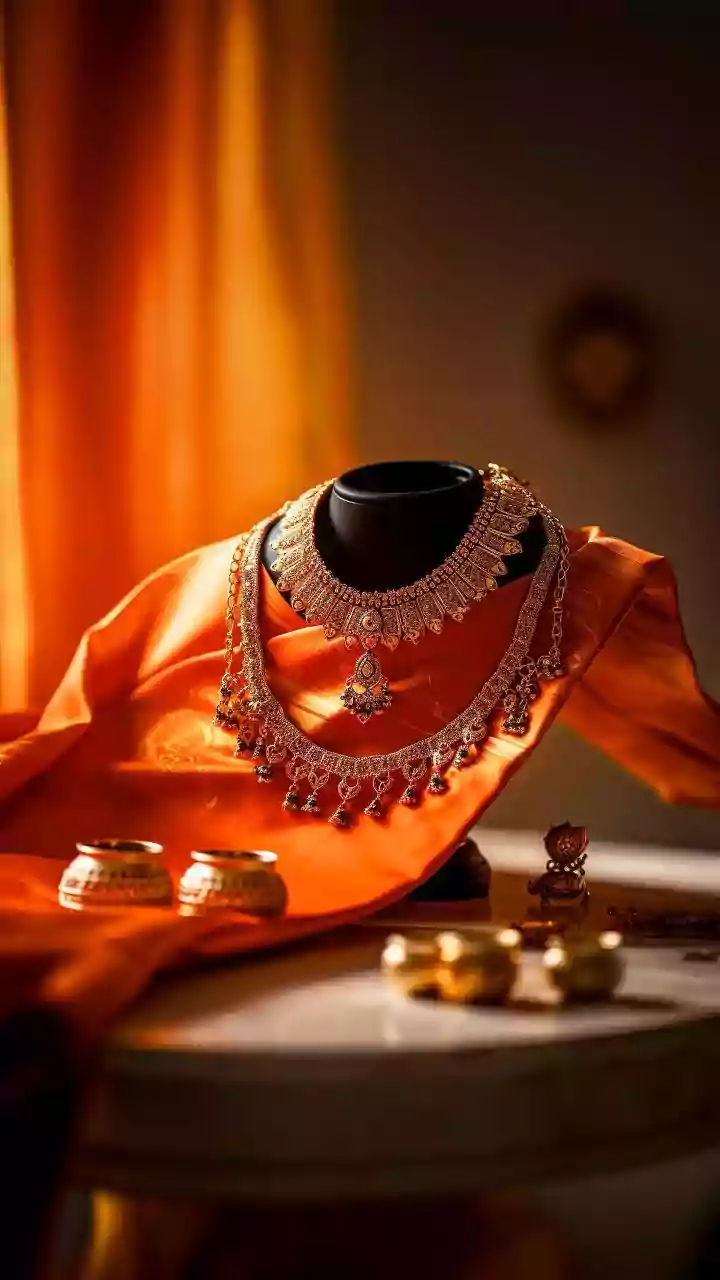
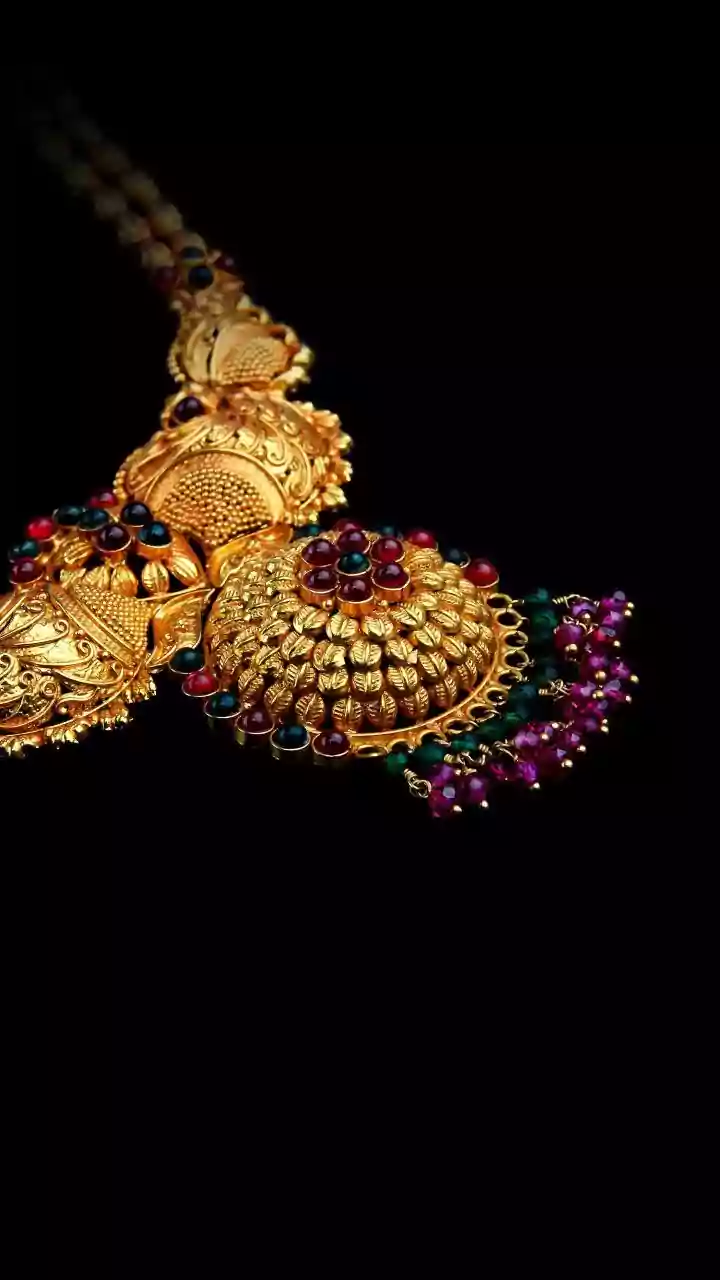
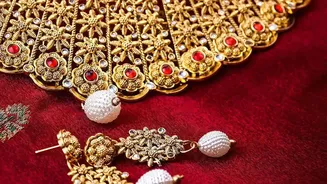
Each piece of temple jewellery is a narrative cast in gold, rich with symbolism. The motifs are not merely decorative; they are icons of faith and tradition. Designs featuring Goddess Lakshmi are among the most popular, symbolising wealth, prosperity, and auspicious blessings for the new couple. The peacock represents beauty and grace, while the lotus flower signifies purity and spiritual awakening. Elephant motifs are worn to invoke wisdom and strength. Other common designs include mangoes for fertility, temple bells for celebration, and divine figures like Lord Ganesha, the remover of obstacles. By wearing these symbols, a bride is not just accessorising; she is draping herself in blessings and cultural identity.
From the Temple to the Bride
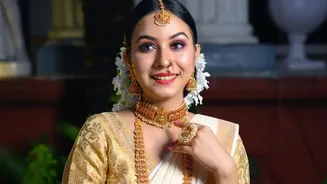
The journey of temple jewellery from deities to brides is a fascinating cultural transition. After its use in temples, the style was adopted by royalty, with kings and queens wearing these grand designs as a mark of their status. From the royal courts, it moved to the stage, becoming an essential part of the costume for classical dancers, particularly in Bharatanatyam. Temple dancers, or Devadasis, wore this jewellery during performances to embody a divine presence. This association with both divinity and artistry cemented its cultural importance. Over time, it became a cherished part of a bride's wedding attire, symbolising her connection to heritage, faith, and the sacredness of marriage. It is often passed down through generations, becoming a treasured family heirloom.
The Enduring Appeal for Modern Brides
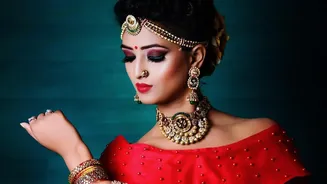
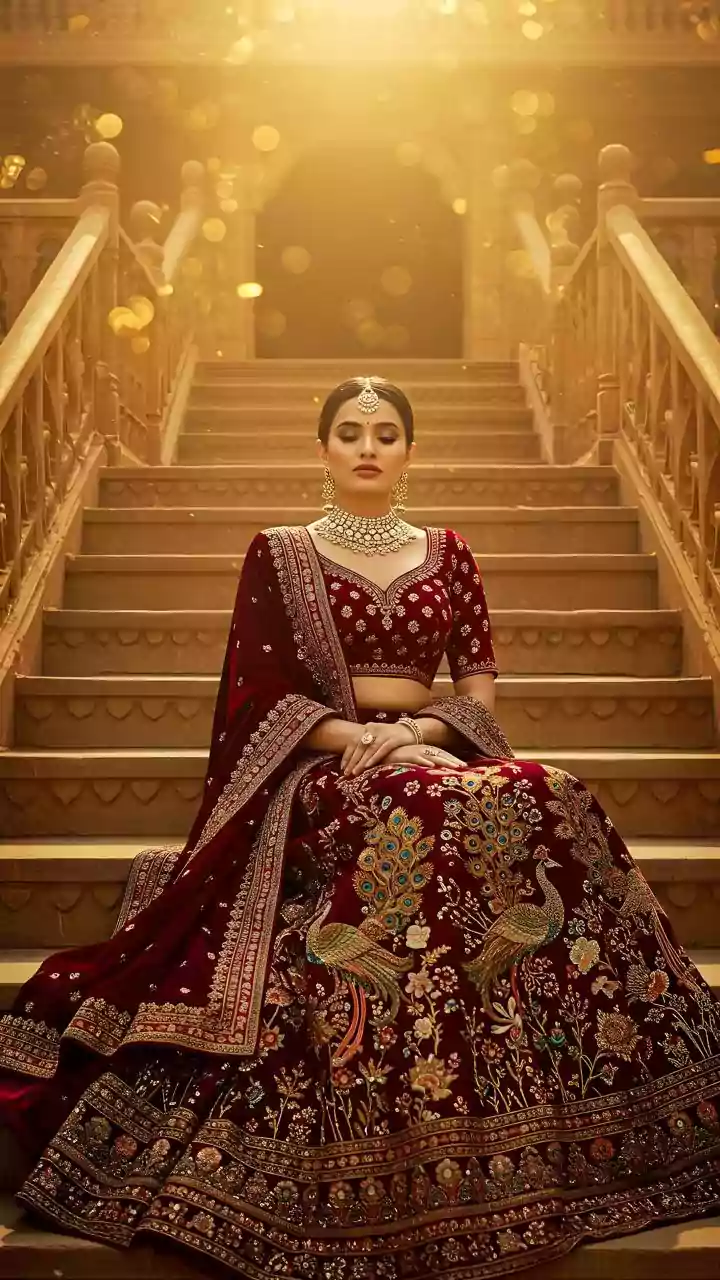
In the 21st century, temple jewellery's relevance has not waned; it has evolved. While it remains a cornerstone of traditional South Indian bridal fashion, modern brides are finding new ways to incorporate its timeless beauty. Instead of wearing multiple heavy layers, a bride might choose a single, statement piece like an oversized choker or a stunning pair of jhumkas to create a look that is both modern and rooted. Designers are also creating lighter, more versatile pieces with detachable elements, allowing them to be worn beyond the wedding day. This fusion of old and new is seen in pairing a traditional waist belt (vaddanam) with a modern lehenga or wearing a classic coin necklace (kasu malai) with a contemporary gown. This adaptability ensures that temple jewellery is not just a relic of the past, but a living tradition.