






The Wisdom of the 'Ramayana Month'
Karkidakam, the final month in the Malayalam calendar (mid-July to mid-August), is a period of heavy rainfall and introspection. Historically, it was a lean month, marked by a pause in agricultural work and a turn towards spiritual and physical rejuvenation.
Also known as the ‘Ramayana Masam,’ families would recite the epic to foster self-confidence and peace during the challenging season. Ayurveda considers this period a time when human immunity and digestive fire ('Agni') are naturally at their weakest due to the damp, humid climate. This makes the body vulnerable but also uniquely receptive to healing, which is why Karkidakam is considered the ideal time for Ayurvedic therapies aimed at detoxification and renewal.
A Porridge for Restoration
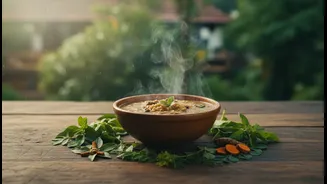
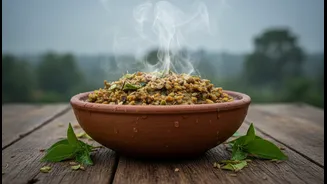
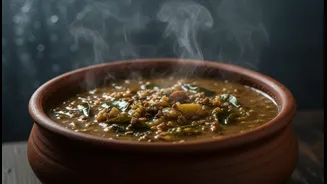
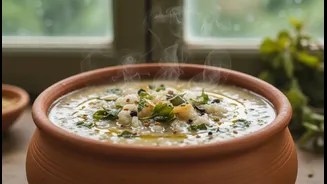
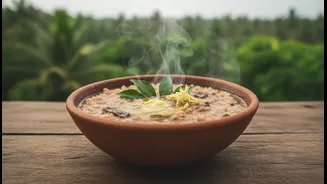
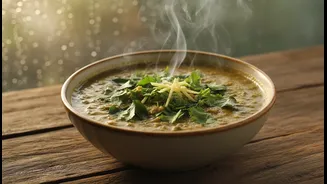
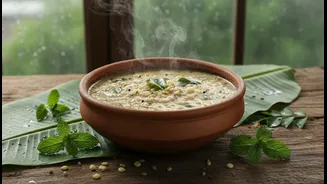
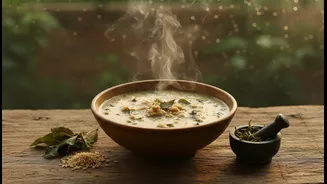
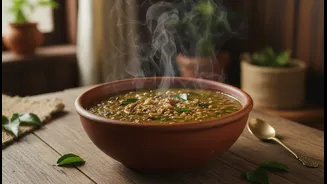
At the heart of this seasonal regimen is Karkidaka Kanji, also called Oushadha Kanji (medicinal gruel). It's a carefully formulated porridge designed to support the body's needs during the monsoon. The base is typically Njavara rice, a medicinal variety native to Kerala, known for being easy to digest and nourishing. This is slow-cooked with warming spices like dry ginger, cumin, and black pepper, which help rekindle the digestive fire. Fenugreek is added for its anti-inflammatory properties, while coconut milk provides healthy fats and a soothing quality. Crucially, the kanji often includes a mix of local, seasonal herbs, such as the Dashapushpam (ten sacred flowers), which flourish during the monsoon and are prized for their immune-supporting properties.
Food as Philosophy, Not a Fad
Unlike the quick fixes promised by modern health trends, Karkidaka Kanji is part of a holistic philosophy. It's not marketed as a 'superfood' or a 'detox' product. Instead, its benefits are understood as the result of aligning one's diet with the rhythm of nature. The practice is traditionally observed for a period of at least seven days, and often longer, consumed as a light evening meal to allow the digestive system to rest and repair. This approach stands in stark contrast to the global wellness industry's focus on isolated nutrients and miracle ingredients. The kanji represents a form of wisdom where food is medicine, not a commodity, and health is a state of balance, not a goal to be aggressively pursued through expensive, often imported, products.
The Antidote to Modern Health Hype
The shift from traditional food systems to modern processed diets has been linked to a rise in chronic health issues globally. Traditional diets, built on whole, local, and seasonal foods, often foster better health outcomes than the modern Western diet. Karkidaka Kanji embodies this older, more grounded approach. It relies on what is fresh and available locally, addresses the specific challenges of the season, and is prepared with intention. It’s a practice of self-care rooted in community and generational knowledge, not in algorithm-driven trends or marketing campaigns. It reminds us that listening to our environment and our bodies can be more powerful than chasing the next big wellness fad.
Embracing the Spirit of Karkidakam
While Karkidaka Kanji kits are available, embracing its spirit doesn't require sourcing every specific herb. The core lesson is about seasonal attunement. This can be as simple as choosing foods that are naturally abundant in your region during a particular season. It means favouring warm, cooked, and easily digestible meals during colder, damper months. It’s about paying attention to how different foods make you feel, rather than adhering to rigid dietary rules. By focusing on simple, nourishing practices, we can find a form of wellness that is sustainable, accessible, and deeply connected to the world around us, inspired by the enduring wisdom of this humble monsoon porridge.