


From Barren Rock to Strategic Oasis
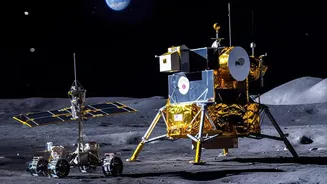
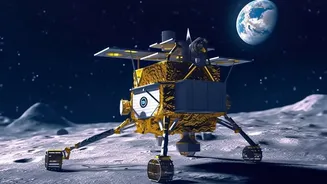
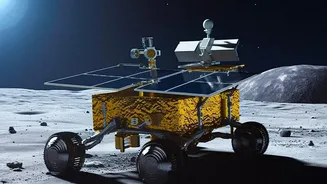
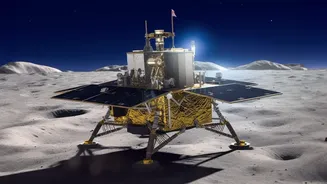
The game-changing discoveries began with missions like India's Chandrayaan-1, which first found evidence of water molecules on the Moon. Subsequent missions, including NASA's Lunar Reconnaissance Orbiter and further analysis from India's Chandrayaan-2
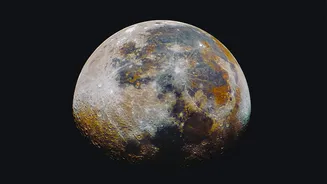
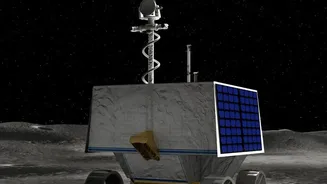
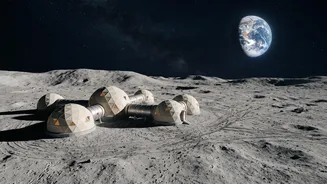
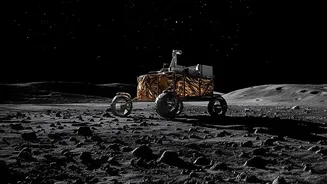
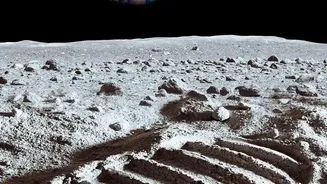
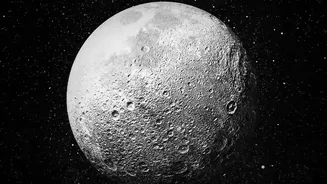
and Chandrayaan-3, have confirmed the presence of substantial water ice deposits. This ice is concentrated in permanently shadowed regions (PSRs) near the lunar poles, primarily the south pole. These are craters so deep that sunlight has not touched their floors for billions of years, creating frigid traps where water ice can remain stable. Finding water transforms the Moon from a mere waypoint into a vital, resource-rich outpost. Instead of having to haul every drop of water from Earth, future missions can access it directly on the lunar surface.
The Ultimate Cosmic Multi-Tool
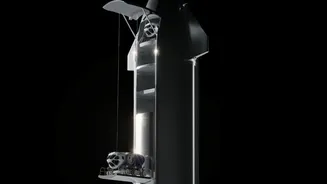
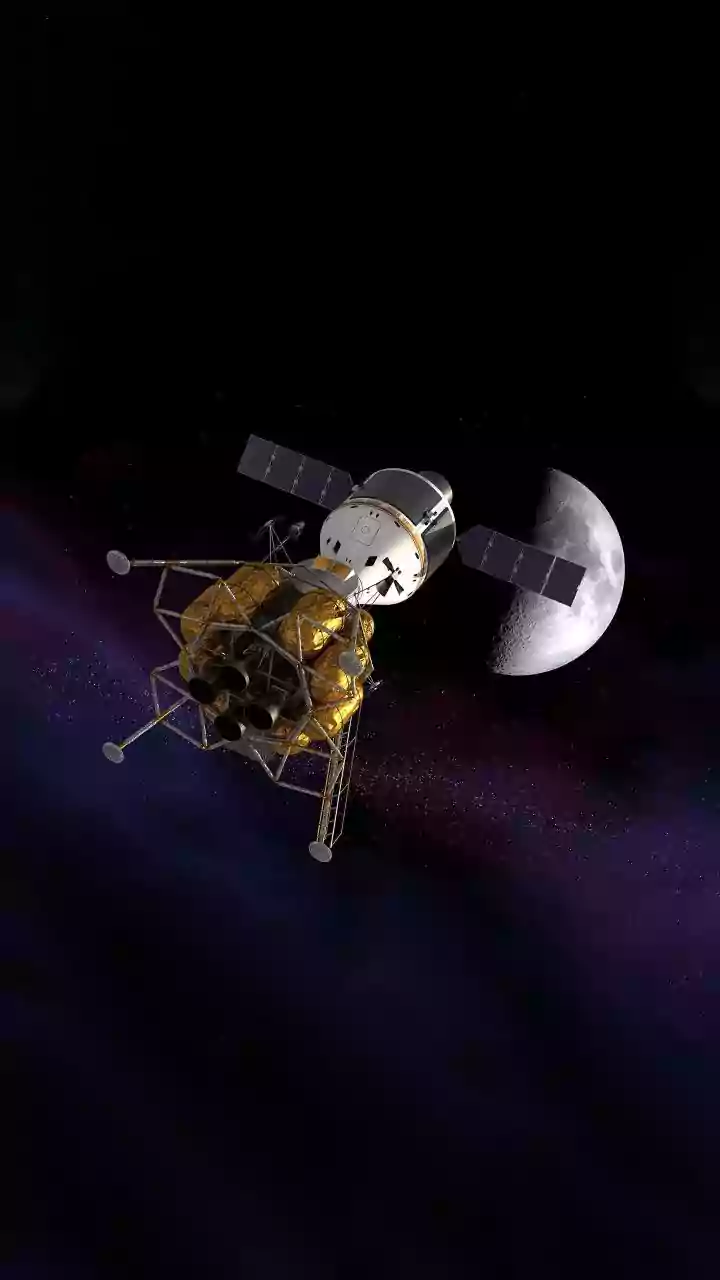
Water is the cornerstone of in-situ resource utilization (ISRU), the concept of living off the land in space. Its value extends far beyond drinking water for astronauts. Through a process called electrolysis, an electric current can split water (H2O) into its component elements: oxygen and hydrogen. The oxygen can be used for breathable air in lunar habitats, while the liquid oxygen and liquid hydrogen are a potent combination for rocket propellant. Suddenly, the Moon isn't just a destination; it's a gas station. This capability is fundamental to NASA's Artemis program, which aims to establish a sustainable human presence on the Moon and test the technologies needed for Mars.
A Fuelling Station on the Way to Mars
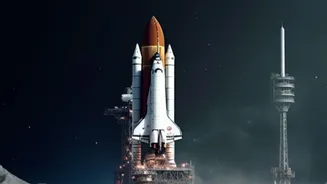
The biggest obstacle to interplanetary travel is Earth's gravity. Launching anything into space is incredibly expensive, largely due to the massive amount of fuel required to escape our planet's gravitational pull. For a mission to Mars, a significant portion of the rocket's mass at launch would be just the fuel needed for the journey. A lunar fuelling station changes this equation entirely. Rockets could launch from Earth with just enough fuel to reach the Moon, top up their tanks with locally produced propellant, and then continue to Mars or other deep-space destinations. The Moon's gravity is only one-sixth that of Earth's, making it far easier and cheaper to launch from the lunar surface. Estimates suggest that using lunar-derived propellant could reduce the cost of a single human mission to Mars by billions of dollars.
The New Global Space Race
This potential has ignited a new era of space economics and competition. NASA's Artemis program is a major driver, with plans to land astronauts near the south pole specifically to scout for these water resources. The agency is actively partnering with commercial companies through its Commercial Lunar Payload Services (CLPS) initiative to develop the technologies for mining and processing these resources. But the United States isn't alone. India's successful Chandrayaan-3 landing in the south polar region and the ongoing discoveries from the Chandrayaan-2 orbiter have positioned the nation as a key player in this lunar race. The establishment of a lunar economy, catalysed by the demand for water-derived propellant, is now a tangible goal, attracting interest from private industry and space agencies worldwide.