








First, Battle the Dampness
The primary enemy of a cosy monsoon home is dampness, which leads to musty smells and a clammy feeling. The first step is to ensure your home is prepared. Check for and seal any leaks in windows, doors, or roofs. On dry days, open windows to encourage
cross-ventilation, which is crucial for reducing moisture buildup. For enclosed spaces like wardrobes and cabinets, use moisture absorbers like silica gel packs, camphor balls, or even small pouches of activated charcoal. A dehumidifier can be a game-changer in poorly ventilated rooms, actively pulling excess moisture from the air. Keeping surfaces clean and dry, especially in kitchens and bathrooms, prevents the growth of mould and mildew.
Swap Heavy Textiles for Light Layers
Heavy fabrics are a monsoon nightmare. They absorb ambient moisture, take ages to dry, and can quickly develop a musty odour. Pack away heavy velvet or jacquard curtains, thick rugs, and dense blankets. Instead, opt for lightweight, breathable, and quick-drying fabrics. Sheer cotton or voile curtains are perfect, as they allow maximum light to enter while letting air circulate freely. For bedding and throws, choose light cotton, muslin, or linen. These materials feel fresh against the skin and won't contribute to that sticky, humid feeling. If you can't part with your rugs, ensure they are vacuumed regularly to prevent them from trapping moisture.
Let There Be Warm Light
With overcast skies reducing natural sunlight, your lighting strategy becomes essential. The goal is to create a warm, layered glow, not to blast the room with harsh overhead lights. Lean into the dimness by using ambient light sources. Floor lamps, table lamps, and even strategically placed fairy lights can create pockets of warmth that make a room feel instantly more intimate and inviting. Opt for bulbs with a warm white or soft yellow tone to mimic the gentle glow of sunlight. Using lamps instead of the main ceiling light on a rainy afternoon can completely change the mood, turning a gloomy space into a cosy retreat.
Introduce Pops of Cheerful Colour
Counteract the dreary grey tones outside by injecting vibrant colour into your home. You don’t need to repaint walls; small, impactful changes can make a huge difference. Brightly coloured cushion covers, throws, and decorative trays can instantly lift the mood of a room. Consider shades like sunshine yellow, turquoise, burnt orange, or a lively green. These pops of colour provide a visual energy boost and keep the space from feeling monotonous. Fresh flowers in a vase are another simple way to add both colour and life.
Engage the Senses with Fragrance
A pleasant scent is one of the most powerful tools for creating a cosy atmosphere and combating the musty odours that often accompany high humidity. Scented candles not only provide a warm, flickering light but also infuse the air with inviting fragrances like sandalwood, vanilla, lavender, or citrus. Essential oil diffusers are another excellent option for maintaining a consistently fresh aroma. For a more traditional approach, burning camphor or incense sticks can effectively neutralise bad smells and add a calming, therapeutic quality to your space. The right fragrance doesn't just mask odours; it becomes part of the room's welcoming character.
Bring Greenery Indoors
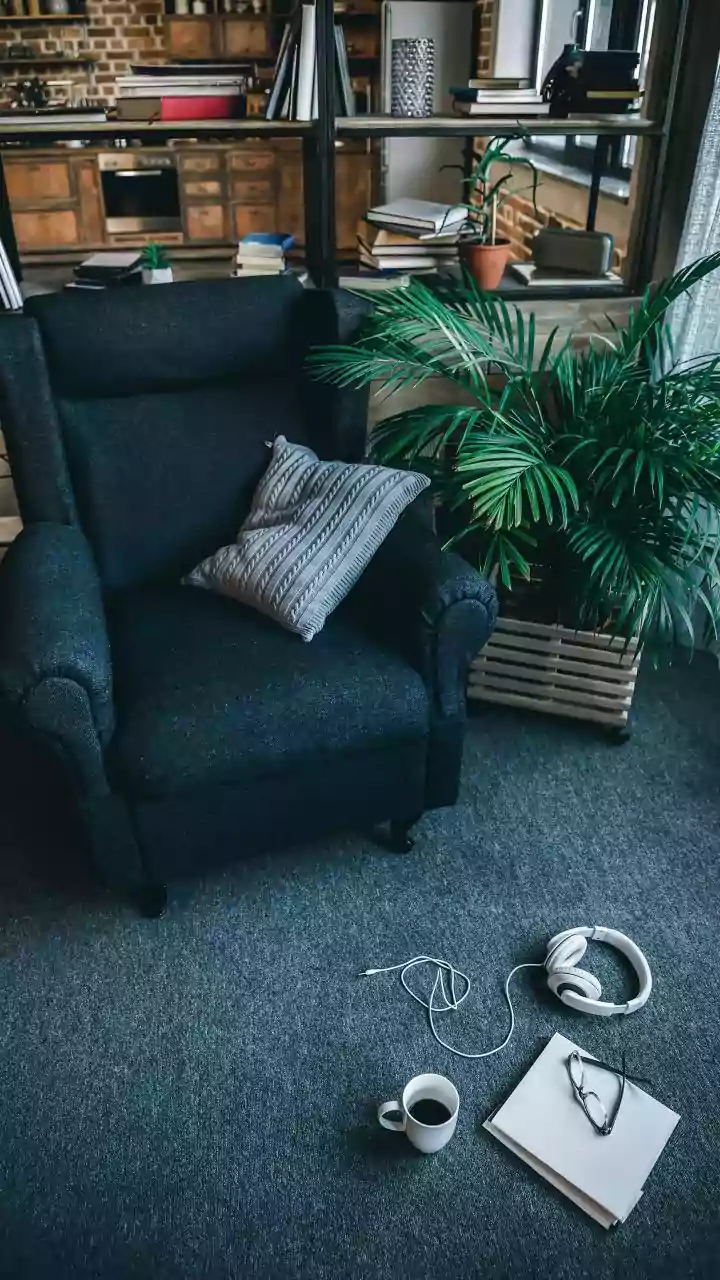
Bringing plants inside is a wonderful way to connect with the lushness of the season without dealing with the mud. Indoor plants not only add a touch of natural beauty and colour but also help purify the air. Choose low-maintenance varieties that thrive in humidity, such as snake plants, peace lilies, money plants, or ferns. They can make a room feel more alive and fresh. Just be mindful not to overwater them, as the high humidity means they'll require less frequent watering than in the dry summer months.