

The Perfect Time for a Scenic Ride
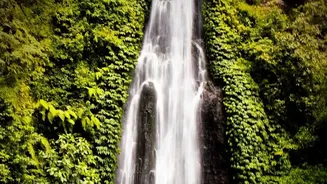
The best time to witness the Konkan coast in its full glory is right after the monsoon, from October to February. During these months, the landscape is intensely green, rivers are full, and waterfalls created by the rains are still active. Unlike the peak
monsoon months (June to September), this period sees fewer travel disruptions and more reliable train schedules. The weather is also cooler and more pleasant, making it ideal for sightseeing from your window or hopping off to explore. The skies are generally clear, offering unobstructed views of the valleys, viaducts, and the Arabian Sea. This post-monsoon window combines the dramatic greenery of the rains with the comfortable, clear conditions of winter.
Choosing Your Train and Class for the Best Value
Several trains ply the Konkan route, but for a budget-conscious traveller, the choice of train and class is crucial. Trains like the Mandovi Express and Matsyagandha Express are excellent options. To truly save, opt for Sleeper Class (SL) or Second Sitting (2S). Sleeper Class offers berths for overnight journeys, while Second Sitting provides basic chair-car style seating for daytime travel. While less comfortable than AC classes (3A, 2A, 1A), these non-AC coaches have a significant advantage: open windows. This allows for an unfiltered, immersive experience of the sights, sounds, and smells of the Konkan, which is lost in a sealed AC coach. A journey in Sleeper Class can be significantly cheaper than its AC counterparts, making it the go-to choice for budget travel.
Booking Smart: Securing Your Ticket for Less
The key to travelling the Konkan Railway on a low budget is booking in advance. Tickets can be booked up to 60 days ahead of your travel date through the official IRCTC website or app. Booking early not only increases your chances of getting a confirmed seat in a budget-friendly class but also helps you avoid the dynamic or 'flexi-fare' pricing that applies to some trains closer to the travel date, especially during peak seasons like the Ganpati festival. When booking a daytime journey, try to secure a window seat. For a southbound trip from Mumbai towards Goa, the right-hand side of the train generally offers better views of the valleys and the sea.
Must-See Sights From Your Window
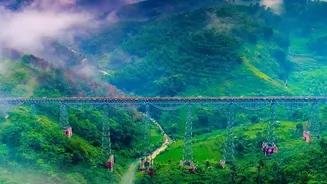
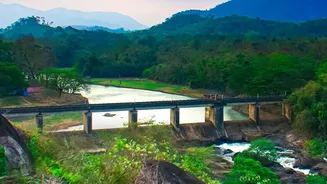
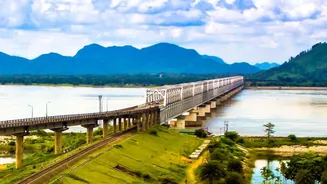
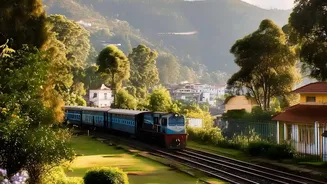
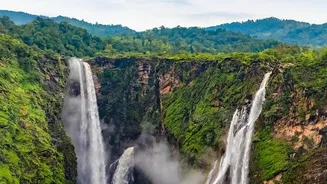
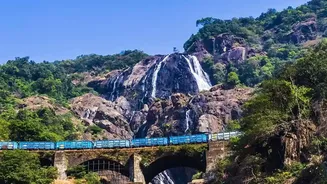
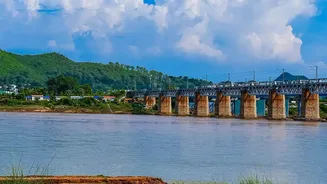
The Konkan Railway is an engineering marvel, boasting approximately 2,000 bridges and 91 tunnels. One of the most breathtaking moments of the journey is crossing the Panval Nadi viaduct near Ratnagiri, one of Asia's tallest. The stretch between Ratnagiri and Madgaon (Goa) is widely considered the most scenic part of the route, packed with viaducts and verdant landscapes. Other key sights include the Sharavati River bridge near Honnavar and the journey through numerous tunnels, where the train plunges into darkness only to burst back into brilliant green valleys. During the post-monsoon season, keep an eye out for Dudhsagar Falls, which can be glimpsed in the distance as the train approaches the Goa-Karnataka border.
Eating Well on a Shoestring Budget
Food is an essential part of the Indian rail experience and can be enjoyed without spending much. Most long-distance trains have a pantry car, but the food can be of variable quality and price. For a more authentic and affordable option, buy from vendors at major stations like Ratnagiri and Kankavli. You'll find local specialities like vada pav and fresh fruit. Alternatively, many local restaurants (khanavals) near stations serve delicious and cheap fish thalis. Another great tip is to pack your own food and snacks. Services like RailRestro also allow you to pre-order meals from FSSAI-approved restaurants to be delivered to your seat at specific stations.
Budget-Friendly Stops to Explore
The Konkan Railway isn't just a journey; it's a gateway to some of India's most beautiful coastal towns. Instead of heading straight to popular (and more expensive) destinations, consider a stop at a smaller station. Udupi in Karnataka is famous for its temples and incredible South Indian cuisine. Gokarna, another stop in Karnataka, offers a more laid-back and affordable alternative to Goa's beaches. In Maharashtra, towns like Ratnagiri and Chiplun serve as hubs to explore nearby forts and beaches. Staying in government-run MTDC resorts or local guesthouses in these smaller towns can be much more economical than staying in major tourist centres.