


Understanding the Visa Exemption
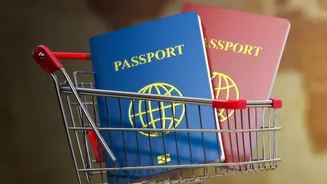
Good news for Indian passport holders: Thailand continues to offer visa-free entry, making spontaneous trips much easier. However, the rules have recently been updated. As of mid-September 2026, the permitted visa-free stay for tourists from India and 59
other countries has been set to 30 days, down from a previous 60-day window. This change was published in the Royal Gazette on August 31, 2026, and is designed to streamline entry rules. For a six-day trip, this 30-day stamp is more than sufficient and, most importantly, comes at no cost, unlike the previous Visa on Arrival system. This policy saves you both money and the hassle of paperwork, allowing you to step off the plane and straight into your adventure. Just ensure your passport is valid and you have proof of a return flight.
The ₹30,000 Budget: A Realistic Breakdown
The claim of a trip under ₹30,000 is tight but feasible with disciplined planning. The biggest variable is your flight cost. Booking well in advance with budget airlines is non-negotiable. Aim to snag a round-trip ticket for ₹12,000–₹15,000, which is often possible from cities like Delhi during the low season. The rest of your budget breaks down as follows: Accommodation (5 nights): ₹5,000 (at ₹1,000/night in hostels); Food: ₹6,000 (at ₹1,000/day relying on street food); Local Transport & Activities: ₹5,000-₹7,000. This leaves a very small buffer. This budget covers the bare essentials and excludes shopping, premium tours, and fancy restaurants. While some estimates place a budget trip closer to ₹40,000, hitting the ₹30,000 mark requires strict adherence to backpacking principles.
Sample 6-Day Backpacker Itinerary
To maximize a short, budget-friendly trip, it's best to stick to one or two well-connected areas. Flying into Bangkok is your most economical choice. Here is a sample itinerary focusing on Bangkok with a day trip or a short hop to a nearby city. Day 1: Arrive in Bangkok, check into your hostel near a BTS Skytrain line, and spend the evening exploring a local night market like Jodd Fairs for dinner. Day 2: Dedicate the day to culture. Visit the Grand Palace complex (be mindful of the entrance fee) and the nearby Wat Pho (Temple of the Reclining Buddha). Spend the afternoon exploring the vibrant streets of Chinatown. Day 3 & 4: Take an early bus or train to the beach town of Pattaya. Spend two days exploring its beaches, such as Koh Larn island, and enjoying the different atmosphere. Alternatively, for a historical focus, take a day trip to the ancient city of Ayutthaya, a UNESCO World Heritage site. Day 5: Travel back to Bangkok. Spend your last full day bargain hunting at Pratunam Market or exploring a modern mall like ICONSIAM for some air-conditioned comfort. Day 6: Enjoy a final Thai breakfast before heading to the airport for your flight home.
Tips to Make Your Money Go Further
Sticking to a sub-₹30,000 budget is an art. Firstly, travel during the shoulder seasons (April-June, September-October) to find cheaper flights and accommodation. Once there, live like a local. Embrace street food—it's delicious, authentic, and incredibly cheap. A hearty meal can often be found for under ₹200. Use public transport like the BTS Skytrain and public buses in Bangkok over taxis or tuk-tuks, which can quickly drain your funds. For intercity travel, buses are far cheaper than domestic flights. Look for free activities; wandering through markets, relaxing in public parks like Lumphini Park, and people-watching are great ways to soak in the culture without spending a baht. When you do shop at markets, bargain respectfully. Finally, stay in hostels. They not only save you money but are also fantastic places to meet other travellers and get insider tips.