


The Romance of the Rails
In an era defined by budget airlines and the rush to reach a destination, a counter-trend is gaining momentum: the embrace of slow travel. For many young professionals and students, the journey itself is becoming as important as the destination. Train
travel, especially during the monsoon, offers a sensory experience that air travel simply cannot match. It’s about watching the landscape transform from parched earth to a lush, vibrant tapestry. The monsoon revives the countryside, and a train journey provides a front-row seat to this seasonal spectacle. The appeal lies in disconnecting from the digital world, where burnout is a common complaint for Gen Z and millennials, and reconnecting with the physical world. The journey becomes a form of a digital detox, a chance to read, reflect, or simply watch the world go by.
Beyond the Beaten Track
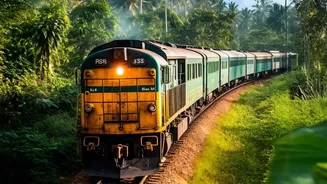
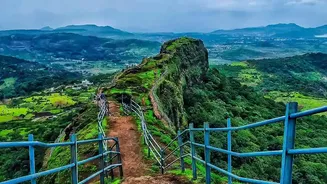
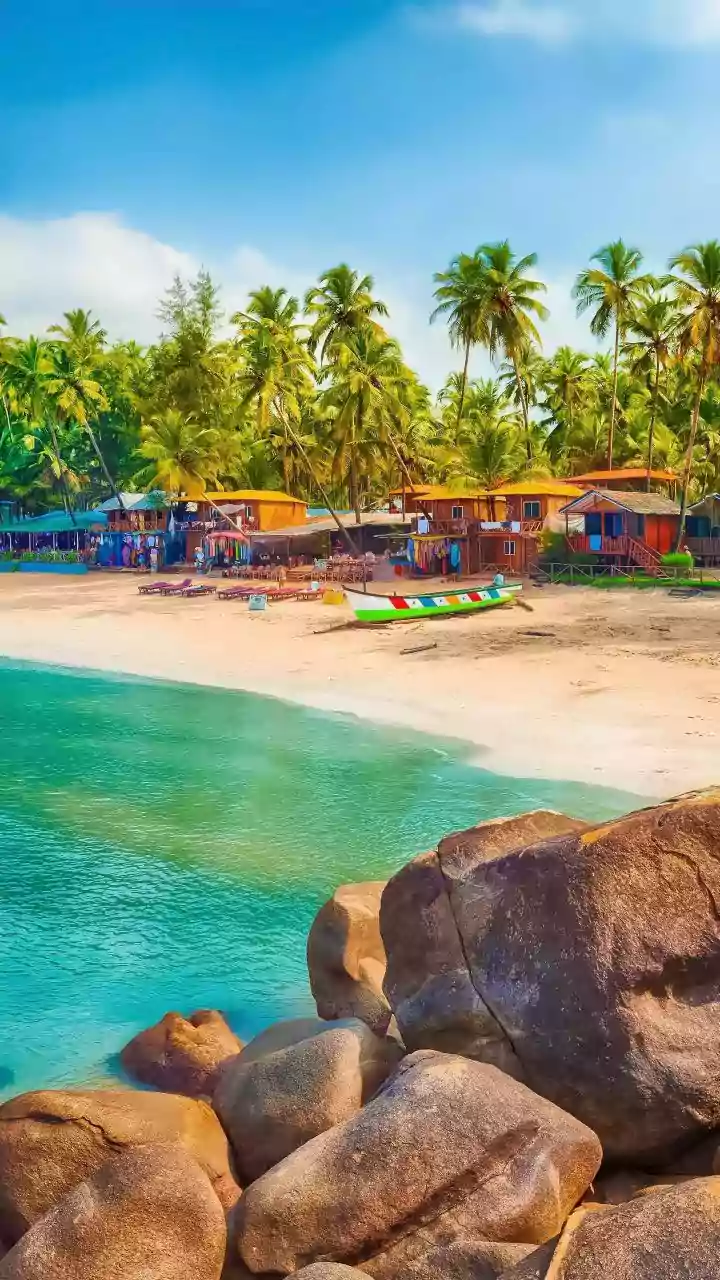
This trend is not just about choosing trains over planes; it's also about discovering destinations that lie beyond the typical tourist circuit. While Goa remains a favourite, the journey there via the Konkan Railway during the monsoon is an attraction in itself, famous for its dramatic views of the Western Ghats, countless waterfalls, and lush greenery. But the new wave of rail travellers is looking further. They are exploring routes like the Dooars Voyage in West Bengal, which cuts through wildlife reserves and tea gardens, or the journey through the Eastern Ghats to Araku Valley, known for its many tunnels and coffee plantations. Even shorter, underrated routes like the one between Karjat and Lonavala become magical during the rains, attracting weekend travellers from Mumbai and Pune with clouds that descend upon the hills and waterfalls that appear at every turn. These trips are often to places that aren't viral sensations, reflecting a desire for more authentic experiences.
A Generational Shift in Travel
Several factors are driving this shift among young Indians. Cost is certainly one; train travel is often more budget-friendly, allowing for longer or more frequent trips. But the motivation runs deeper. There is a conscious move away from packed, checklist-driven tourism towards more meaningful and immersive experiences. This aligns with the broader 'slow travel' movement, which prioritizes depth over distance and local culture over landmark-hopping. The aesthetic appeal also plays a significant role. The image of a rain-lashed train window is a powerful one, feeding a desire for experiences that feel cinematic and authentic. It's a different kind of luxury, one that is measured in time and experience rather than speed and convenience. The journey itself, with its changing landscapes, interactions with fellow travellers, and delicious station-side food like hot samosas or benne dosas, becomes a core part of the adventure.
The Allure of the Monsoon Journey
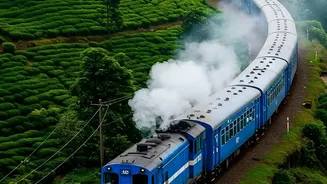
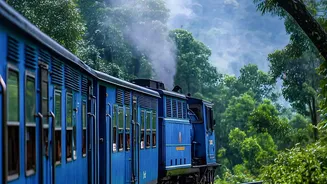
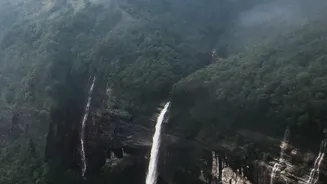
Monsoon transforms the Indian landscape into a breathtaking canvas of vibrant greens, swollen rivers, and majestic waterfalls. Routes that might be mundane in other seasons become extraordinary. The journey on the Mandovi Express from Mumbai to Goa, for instance, feels like passing through a watercolour painting. The UNESCO World Heritage Nilgiri Mountain Railway to Ooty chugs through misty hills and fragrant tea plantations that are revived by the rain. Similarly, the trip from Kalka to Shimla offers magical views of pine forests and foggy valleys. The highlight for many on the Bengaluru to Goa route is the majestic Dudhsagar Falls, which is at its thunderous peak during the monsoon, sometimes spraying a cool mist through the train's windows. This seasonal magic is what travellers are seeking—an escape that is both profoundly therapeutic and visually stunning.