







Why Monsoon Is Prime Tick Season
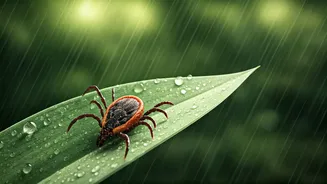
The same rain and humidity that make plants thrive create a perfect breeding ground for ticks. Studies show that tick activity often peaks during the rainy season. The damp leaf litter and overgrown vegetation in parks provide these tiny arachnids with
the ideal environment to hide and wait for a host—be it wildlife, a pet, or a human. This increased population and activity mean your chances of encountering a tick on a monsoon nature walk are significantly higher.
The Hidden Dangers They Carry
Ticks are more than just a nuisance; they are vectors for a range of serious illnesses. In India, ticks are known to transmit several diseases, posing a significant health risk. One of the most notable is Kyasanur Forest Disease (KFD), or 'Monkey Fever', a viral hemorrhagic fever endemic to parts of southwestern India. Symptoms include high fever, headache, muscle pain, and can sometimes lead to more severe neurological issues. Another concern is Indian Tick Typhus, a rickettsial infection that causes fever, rash, and headache. While not every tick bite results in disease, the potential for infection makes prevention crucial.
Before You Leave Home
A little preparation goes a long way in keeping you safe. First, dress smartly. Opt for light-coloured clothing, which makes it easier to spot ticks. Wear long-sleeved shirts, long trousers, and closed-toe shoes. For extra protection, tuck your trousers into your socks to prevent ticks from crawling up your legs. Second, use an effective insect repellent. Products containing DEET or picaridin are recommended for use on exposed skin. You can also treat your clothes and gear with permethrin for an added layer of defence. Always follow the product instructions, especially when applying on children.
Navigating Parks Safely
Once you are in the park, your behaviour can also reduce your risk. Stick to the centre of cleared trails and paths as much as possible. Avoid walking through dense, high grass, brush, or large piles of leaf litter, as these are prime tick habitats. If you're with children or pets, keep a close eye on them to ensure they don't wander into overgrown areas where ticks are likely to be waiting.
The All-Important Post-Walk Check
After returning from the outdoors, performing a thorough tick check is one of the most critical steps. Check your entire body, paying special attention to hard-to-see areas like the scalp, behind the ears, armpits, groin, and behind the knees. Use a mirror to check your back or ask someone to help. Don't forget to check your children, pets, and any gear you brought with you, like backpacks or blankets. Taking a shower within two hours of coming indoors can also help wash off unattached ticks and provides a good opportunity for a full-body check.
What To Do If You Find A Tick
If you discover a tick attached to your skin, remove it promptly and correctly. Use fine-tipped tweezers to grasp the tick as close to the skin's surface as possible. Pull upward with steady, even pressure. Do not twist or jerk the tick, as this can cause the mouthparts to break off and remain in the skin. After removing the tick, clean the bite area and your hands with rubbing alcohol or soap and water. Avoid old methods like using petroleum jelly or a hot match, as these are ineffective and can increase the risk of infection. Monitor the bite site and watch for any symptoms like a rash or fever in the following weeks.