



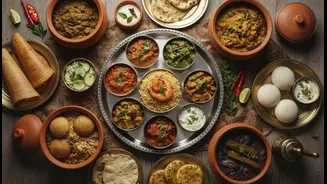


The Familiar Starting Point
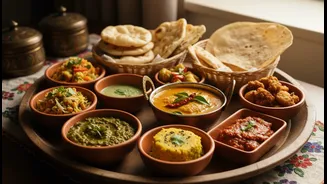
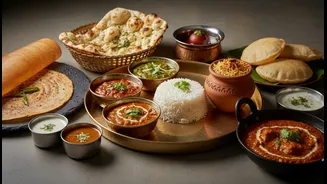
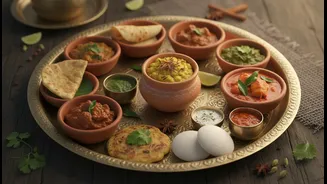
For many, the experience of Indian food outside of India was long defined by a predictable menu. This roster of creamy, mildly spiced North Indian staples, while delicious, presented a simplified and monolithic version of a cuisine that is endlessly diverse.
This narrow representation was a commercial reality, offering a familiar entry point for diners. However, it inadvertently flattened the rich, complex culinary landscape of a subcontinent, creating a stereotype that chefs, home cooks, and food lovers are now actively and passionately dismantling.
The New Generation of Storytellers
A new guard of culinary storytellers is leading the charge, armed with family recipes, deep regional knowledge, and the power of social media. Chefs and restaurateurs are finding commercial success by focusing on sharply defined regional expressions, from the coastal flavours of Kerala to the rustic dishes of Uttarakhand. This movement is about resurrecting forgotten recipes and celebrating unique ingredients. Figures like the late Tarla Dalal and Sanjeev Kapoor laid the groundwork by making Indian cooking accessible, and now a new generation is taking it a step further, sharing personal and hyper-regional food stories with a global audience through visually rich platforms like Instagram and YouTube.
From the North-East to the Southern Coasts
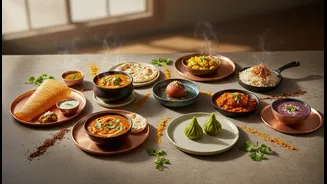
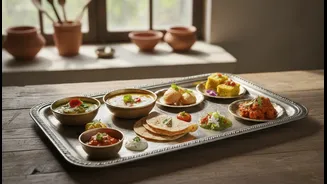
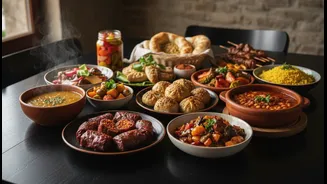
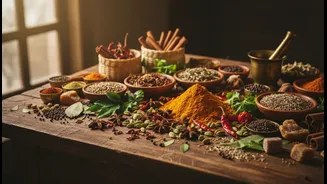
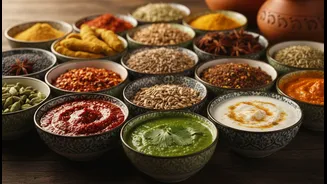
The spotlight is increasingly turning to cuisines that were once relegated to the footnotes. Dishes from Nagaland, with their distinctive smoked meats and bamboo shoot preparations, are finding their way onto urban menus. Bengali cuisine, with its subtle balance of sweet and spicy notes, is being celebrated beyond just its sweets. Food creators are showcasing the specifics of Gaud Saraswat Brahmin food, the complex flavours of Mappila cuisine from Kerala, and the spicy, layered dishes of Chettinad. This exploration is revealing the immense diversity shaped by geography, climate, and community, from the earthen-pot cooking of Bihar to the millet-based meals of Rajasthan.
Why Now? The Power of Authenticity and Connection
Several factors are fuelling this culinary renaissance. For one, there's a growing diner curiosity and a demand for authenticity; consumers are more informed and want food with a story. Social media has been a powerful accelerant, allowing home cooks to become stars and making once-obscure local dishes go viral overnight. For the Indian diaspora, cooking and sharing regional food is a way to connect with their heritage and assert a more nuanced identity. This shift also reflects nostalgia, as people who have moved to cities for work seek the comforting, authentic tastes of home-cooked meals, creating a market for restaurants that serve tradition on a plate.
The Future Is Regional and Personal
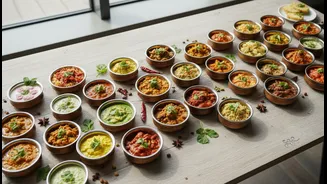
This movement is more than just a passing trend; it signifies a fundamental shift in how Indian food is perceived and valued, both within India and on the global stage. It champions the idea that the nation's real culinary strength lies in its micro-regions. As chefs confidently introduce diners to the unapologetic, bold flavours of their hometowns, and food writers pen cookbooks dedicated to specific communities and personal histories, the narrative expands. The monolithic idea of "Indian food" is fracturing into a beautiful mosaic of countless distinct, vibrant, and deeply personal culinary traditions. The future of Indian food isn't about finding the next butter chicken; it's about celebrating the thousands of dishes that have always been there, waiting for their moment in the sun.