




Monsoon Gardening 101: Key Principles
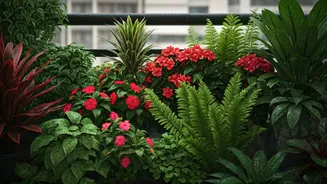
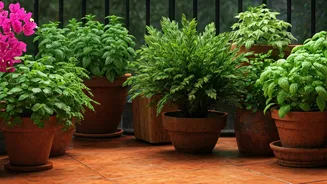
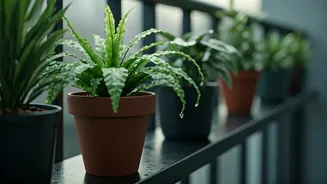
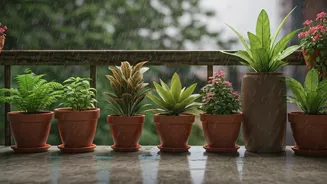
Before we dive into the plants, let's set your balcony up for success. The monsoon is a time of abundance, but also brings challenges like waterlogging and fungal growth. First, ensure every pot has drainage holes at the bottom. Stagnant water is the number
one enemy of container plants. Second, use a well-draining potting mix. You can create one by mixing equal parts garden soil, coco peat (or sand), and compost. This combination retains moisture without becoming a swamp. Finally, while the clouds are out, don't forget about sunlight. Most flowering plants still need at least 4-6 hours of light, so position them in the brightest part of your balcony. With these basics in place, you’re ready to plant.
Balsam (Impatiens balsamina): The Monsoon Jewel
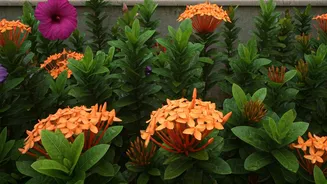
Often called the 'monsoon flower', Balsam is a quintessential rainy season plant. This Indian native produces beautiful, cup-shaped flowers in shades of pink, red, white, and purple. They absolutely love the high humidity and regular watering that the monsoon provides. Balsam grows quickly from seeds, which you can sow directly into your pots just as the rains begin. They are incredibly low-maintenance and will reward you with continuous blooms throughout the season. Their vibrant colours can instantly brighten up even the greyest of monsoon days, making them a must-have for any balcony garden.
Hibiscus: The Tropical Staple
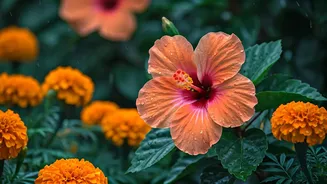
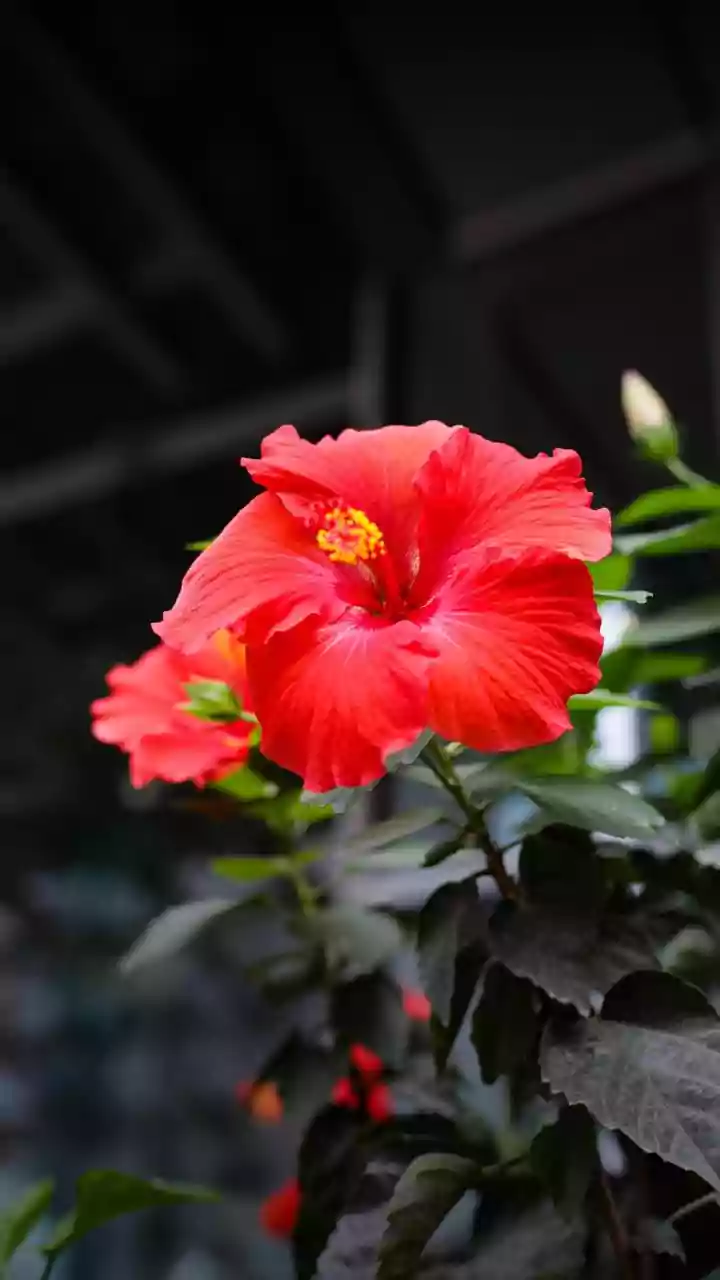
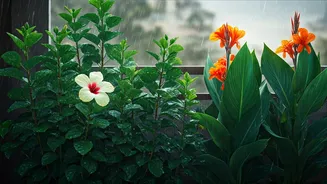
While found across the tropics, many hibiscus varieties are native to the Indian subcontinent and are perfectly attuned to our climate. These sturdy shrubs produce large, spectacular flowers that bring a touch of the exotic to your urban space. During the monsoon, they go into a growth spurt, producing lush foliage and frequent blooms. They are hardy plants that can handle heavy rain, provided their pots have excellent drainage. A little bit of compost at the start of the season will encourage more flowers. Choose a compact variety for your balcony, and watch it become a focal point.
Jasmine (Mogra/Chameli): Fragrance in the Rain
There is nothing more magical than the scent of jasmine carried on the cool, rain-washed air. Varieties like Mogra (Jasminum sambac) or Chameli are native to India and thrive during the monsoon. The increased humidity encourages them to produce an abundance of their intensely fragrant white flowers. These climbers can be trained on a small trellis or allowed to trail gracefully from a hanging basket. They prefer a spot with some direct sunlight to bloom profusely. Pluck a few flowers in the evening to perfume your entire home.
Turmeric & Ginger: The Edible Understory
Why not grow something you can eat? Turmeric (Haldi) and Ginger (Adrak) are fantastic choices for monsoon container gardening. These plants are essentially rhizomes that love moist, well-drained soil. The rainy season provides the perfect conditions for them to sprout and grow their lush, tropical-looking leaves. You can plant a piece of store-bought ginger or a turmeric finger directly into a wide, relatively shallow pot. The foliage adds a beautiful, deep green texture to your garden, and by the end of the season, you can harvest your own fresh, organic spices.
Marigold (Genda): The Festive Protector
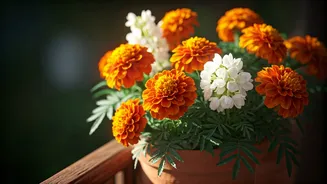
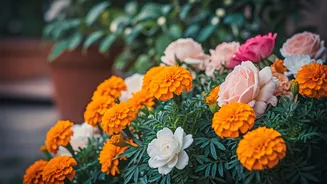
Marigolds are a cheerful and resilient addition to any garden. These bright yellow and orange flowers are synonymous with Indian festivals for a reason—they are easy to grow and flourish in our conditions. The monsoon is a great time to sow marigold seeds for blooms that will last well into the autumn. Beyond their beauty, marigolds are known for their pest-repelling properties, helping to protect more delicate plants in your balcony garden. They require minimal care, asking only for decent sunlight and water when the topsoil feels dry.
Curry Leaf Plant (Kadi Patta): Aromatic Foliage
The Curry Leaf plant (Murraya koenigii) is a small tree native to India, but it grows wonderfully in a pot on a balcony. It loves the monsoon, putting out new flushes of its aromatic leaves throughout the season. Having a pot of Kadi Patta means you have fresh, flavourful leaves on hand for all your tadkas and curries. The plant requires good sunlight and regular pruning to keep it bushy and compact. The monsoon’s regular showers will keep it happy, but ensure the pot doesn't get waterlogged. It’s a practical, fragrant, and beautiful plant all in one.