








The Problem with 'More is More'
The idea that a longer, more complex skincare routine leads to better results is a pervasive myth, largely fuelled by marketing and social media trends. In reality, dermatologists warn that over-treating your skin can do more harm than good. Using too
many products, especially those with potent active ingredients like acids, retinoids, and exfoliants, can overwhelm and compromise the skin barrier. This protective outer layer is responsible for keeping moisture in and irritants out. When it's damaged, you might experience redness, sensitivity, dryness, breakouts, and inflammation—the very issues you were trying to solve in the first place. This phenomenon, often called 'stripping the skin', creates a cycle of irritation where you apply more products to fix problems caused by your existing routine.
Embracing the 'Skinimalist' Philosophy
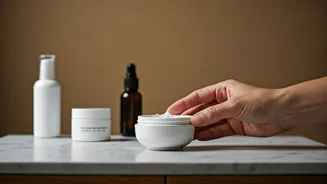
Enter 'skinimalism,' a philosophy centred on using fewer, more effective products. It’s not about neglecting your skin; it’s about being intentional. The goal is to nourish and support your skin’s natural functions rather than bombarding it with an army of ingredients. This approach saves time and money, reduces the risk of irritation, and is more environmentally sustainable. By scaling back, you give your skin the space to breathe and heal. It also allows you to better understand what your skin truly needs, as you can more easily identify which products are working and which are causing issues. As many skin experts note, consistency with a few core products will always outperform inconsistency with many.
The Three Essential Pillars of Skincare
So, what does 'doing less' actually look like? Most dermatologists agree that a healthy skincare routine can be built on three non-negotiable pillars: cleansing, moisturising, and protecting. 1. **Cleanse:** Use a gentle, pH-balanced cleanser once or twice a day to remove dirt, oil, and impurities without stripping the skin of its natural oils. For most people, a simple, hydrating cleanser is sufficient. 2. **Moisturise:** Apply a moisturiser suited to your skin type (e.g., a lightweight lotion for oily skin or a richer cream for dry skin) morning and night. This step is crucial for hydrating the skin and repairing the skin barrier. 3. **Protect:** In the morning, always finish with a broad-spectrum sunscreen with an SPF of 30 or higher. This is the single most important step for preventing premature ageing, sun damage, and skin cancer. This foundational routine is effective for maintaining skin health for the vast majority of people.
When to Add (and What to Skip)
Once you have a consistent base routine, you can consider adding one—and only one—targeted treatment to address a specific concern. For example, if you're concerned about fine lines or acne, you might introduce a retinoid at night. If you want to address hyperpigmentation, a Vitamin C serum in the morning might be beneficial. The key is to introduce new products one at a time, giving your skin several weeks to adjust before considering another. Avoid layering multiple potent actives at the same time, such as using an AHA/BHA exfoliant on the same night as a retinoid, as this is a common recipe for irritation. And remember, trendy products like toners, essences, and face mists are often optional extras, not essentials.
How to 'Reset' Your Current Routine
If your bathroom shelf is overflowing and your skin is feeling stressed, it’s time for a reset. Start by stripping your routine back to the three essentials: a gentle cleanser, a basic moisturiser, and sunscreen. Stick with this simple regimen for at least two to four weeks. This 'skin fast' allows your skin barrier to repair and inflammation to subside. You may find that your skin looks and feels better with just these three products. If you decide to reintroduce a treatment serum, do so slowly. Apply it just two or three times a week initially and monitor your skin for any signs of irritation before increasing the frequency. This mindful approach puts you back in control, encouraging you to listen to your skin's needs instead of blindly following trends.