


Why Monsoon Demands Extra Care
The rainy season's defining features—high humidity and persistent warmth—are precisely what microbes love. This combination drastically shortens the time food can be considered safe at room temperature. Moisture in the air accelerates the growth of bacteria,
mould, and fungi, which can lead to spoilage and increase the risk of food poisoning. Even dry goods like flour and biscuits can absorb ambient moisture, causing them to spoil or lose their texture much faster than in drier weather. Understanding this environmental shift is the first step toward safer food handling.
The Golden Rule: Act Fast
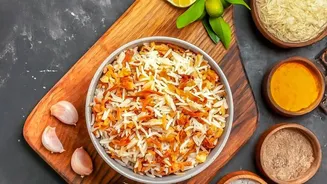
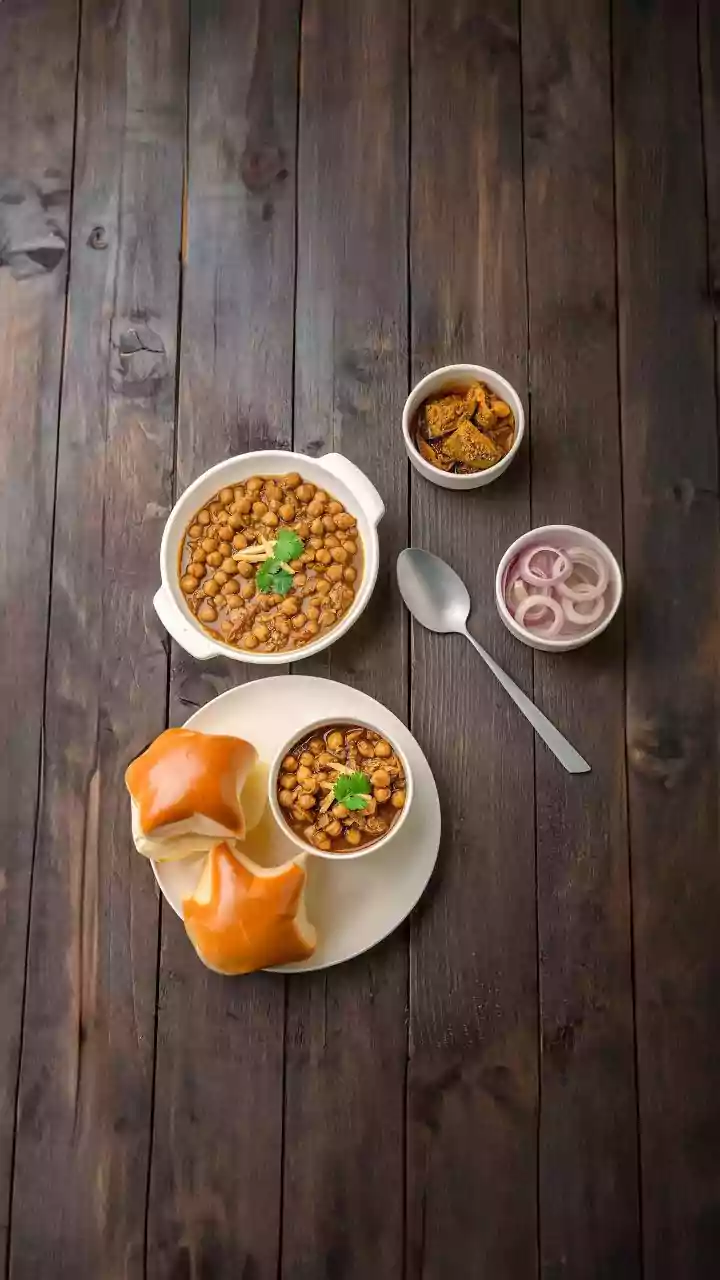
The most critical rule for handling leftovers, especially during the monsoon, is the two-hour rule. Cooked food should not be left at room temperature for more than two hours. Once it cools down enough to not release steam, it should be refrigerated promptly. High humidity can speed up bacterial multiplication, making it essential to get perishable items like curries, dals, rice, and meat dishes into the fridge as quickly as possible. Storing food in airtight containers is crucial, as this prevents airborne moisture and contaminants from reaching the food, extending its life and keeping it safe.
Smart Storage Solutions
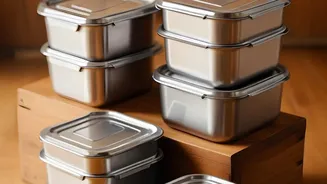
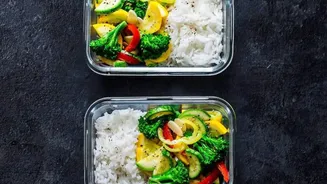
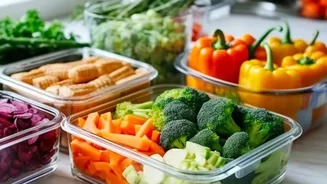
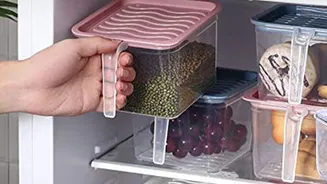
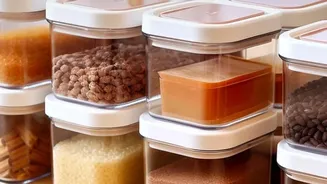
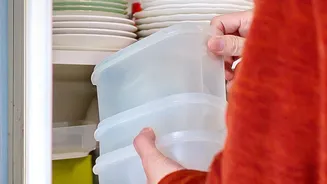
Proper storage is your best defence against spoilage. Always use clean, dry, airtight containers. Glass containers are often preferable as they don't stain or retain odours. Before sealing the container, ensure the food has cooled down sufficiently; trapping steam can create extra moisture, encouraging bacterial growth. Organise your fridge so that cooked food is stored on upper shelves, away from raw meat or vegetables, to prevent cross-contamination. For items like rice and grains, you can place dried neem leaves or a few cloves inside the storage container as a natural deterrent to insects and mould.
The Art of Reheating Safely
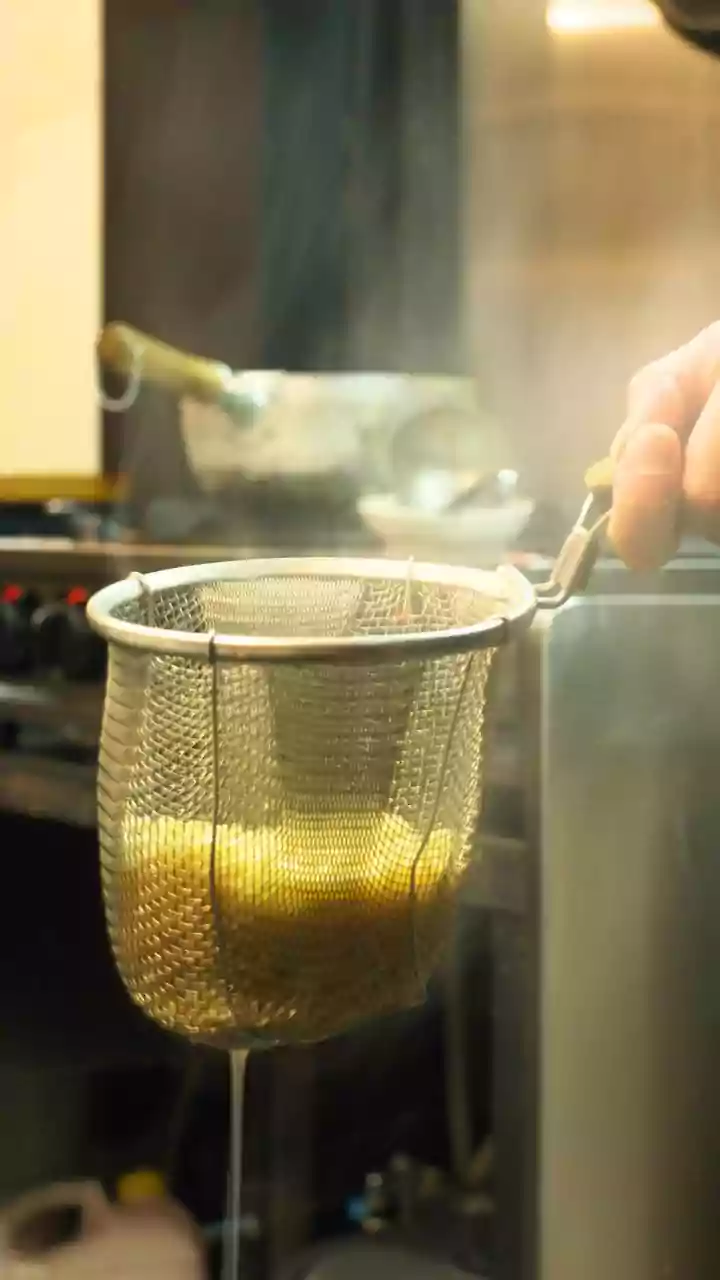
Reheating isn't just about warming food up; it's about killing any bacteria that may have started to grow during storage. The goal is to heat the food until it is steaming hot throughout, reaching a safe internal temperature. When using a microwave, stir the food partway through to ensure even heating and eliminate cold spots where bacteria can survive. For gravies, soups, and dals, bringing them to a rolling boil on the stovetop is the most effective method. Never reheat the same leftovers multiple times, as this repeated cooling and heating cycle creates more opportunities for bacterial growth. Consume reheated food immediately.
When to Say Goodbye: The Discard Pile
Your senses are your best guide for determining if food has spoiled. Trust your nose and eyes. Common signs of spoilage include an off or sour smell, a change in texture (such as sliminess on meats or vegetables), and any visible mould growth. Even if mould is only visible on one part, it can have invisible filaments running through the rest of the food, so it's safest to discard the entire item. With dairy products, look for curdling or a sour taste. If a canned item's container is bulging, leaking, or looks foamy upon opening, do not taste it—throw it away immediately. The most important rule is: when in doubt, throw it out.
Common Monsoon Food Mistakes
Avoiding a few common pitfalls can significantly lower your risk of foodborne illness. One major mistake is eating street food, especially items that are served raw, use unverified water sources, or have been sitting out in the open. Even at home, avoid leaving cooked food on the counter overnight. Another error is consuming pre-cut fruits and salads that have been left out for an extended period. Always wash fruits and vegetables thoroughly under running water before cutting or cooking them. Finally, be cautious with raw sprouts and unpasteurised dairy, as these are high-risk items in humid conditions.