





From Body Heat to Battery Power
The science behind these futuristic fabrics is called thermoelectric energy harvesting. At its core, the technology relies on a principle discovered in the 19th century known as the Seebeck effect, where a temperature difference between two different
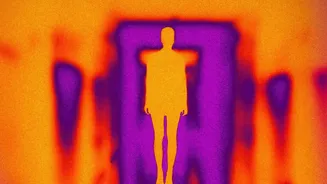
electrical conductors can produce a voltage. In the context of clothing, this means capturing the natural temperature difference between your warm skin and the cooler ambient air. Specialized thermoelectric materials, now being developed into flexible fibres and coatings, can convert this constant thermal energy into a small but steady electrical current. This current can then be used to power low-energy electronics, such as the sensors in a health monitor or fitness tracker, effectively turning your body into a walking, breathing power source.
Weaving a Power Grid Into Your Wardrobe
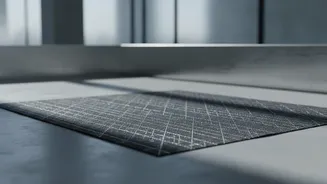
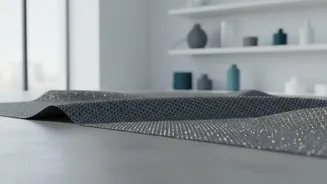
The primary challenge has always been to make these energy-harvesting materials practical for clothing. Traditional thermoelectric components were rigid, brittle, and unsuitable for fabrics. However, recent breakthroughs have led to the development of flexible, and in some cases, stretchable thermoelectric materials that can be integrated directly into textiles. Researchers are exploring several methods, from creating threads coated with conductive polymers to printing thermoelectric inks directly onto fabric. Recent innovations include silk threads coated with non-toxic, organic polymers and even a 'thermoelectric rubber' that combines efficiency with elasticity. These advances allow the materials to be woven or sewn just like regular thread, creating garments that are comfortable, flexible, and in some cases, even machine washable.
The Future of Health and Fitness Monitoring
The implications for health and fitness wearables are enormous. Devices like Whoop and Oura Ring, which offer continuous monitoring of metrics like heart rate variability, sleep, and strain, rely on constant power. Self-powered textiles could eliminate the need for daily or weekly charging, making long-term, uninterrupted health tracking seamless. This is particularly valuable for medical applications, where continuous monitoring of vital signs is critical. Imagine smart clothing that can power its own ECG sensors, track respiratory rates, or monitor body temperature without ever needing a battery change. This technology could enable more reliable remote patient monitoring and provide a constant stream of data for proactive healthcare, moving wearables from wellness gadgets to indispensable clinical tools.
Hurdles on the Road to Commercialization
Despite the exciting progress, several challenges remain before your next running shirt comes with a built-in power supply. The primary hurdle is power output. Currently, most thermoelectric textiles generate power in the microwatt to milliwatt range. While this is enough for some low-power sensors, it isn't sufficient to charge a smartphone or run more complex devices. Durability is another key concern; the materials must withstand repeated washing and the mechanical stress of daily wear. Researchers have made great strides, with some materials retaining conductivity after dozens of washes, but consistency is key. Finally, cost and scalability are significant barriers. High-performance thermoelectric materials can be expensive, and complex manufacturing processes need to be streamlined for mass production.