





The Icy Dilemma in Dairy-Free
For years, vegan ice cream was more of a consolation prize than a true indulgence. The challenge has always been replicating the complex role of dairy. Milk fat and proteins are the magic ingredients in traditional gelato, creating a rich mouthfeel and a stable,
smooth structure that prevents large ice crystals from forming. Without them, early plant-based attempts using lower-fat milks often resulted in a texture that was either icy and hard or disappointingly thin. The goal wasn't just to make something cold and sweet, but to achieve that dense, velvety texture that defines premium gelato. This textural problem left a gap in the market for a high-quality, plant-based frozen dessert that could satisfy even the most discerning palates.
The Rise of Plant-Based Fats
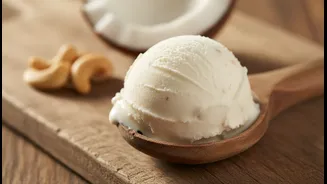
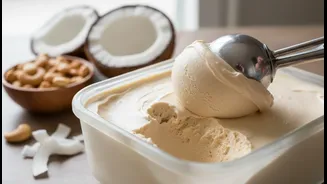
The breakthrough came from looking to nature for ingredients that could mimic the properties of dairy fat. Enter cashews and coconuts. These two ingredients have become the cornerstones of modern vegan gelato, not just as flavourings, but as foundational elements for building texture. Their success lies in their high-fat content, which is crucial for creating a creamy, stable base. Unlike many other plant milks that are high in water, full-fat coconut milk and cashew cream provide the richness needed to minimise iciness and deliver a luxurious mouthfeel. Artisans found that by using these ingredients, they could finally create a vegan product with the structural integrity to be called 'premium'.
Cashews: The Neutral Creaminess
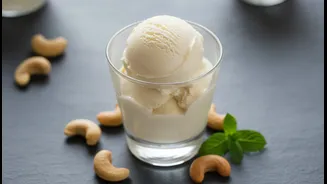
Cashews have been hailed as a superior base for vegan ice cream due to their relatively neutral flavour profile. When soaked and blended, raw cashews break down into an incredibly smooth, rich cream. A key advantage is that the whole nut can be used, meaning it doesn't need to be strained like almond milk, which contributes to a thicker final product with a desirable 'chew'. Cashews contain a significant amount of fat and protein, which helps to emulsify the gelato base, binding the water and fat molecules together for a smoother finish. This neutral-tasting canvas allows delicate flavours like vanilla or tea to shine through without being overpowered, making it a versatile choice for a wide range of gelato creations.
Coconut: The Richness Powerhouse
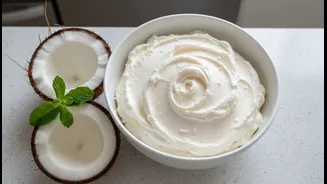
Full-fat canned coconut milk has long been a reliable staple in vegan ice cream making because its fat content is comparable to full-fat dairy. This high percentage of saturated fat provides an unparalleled richness and creamy texture, creating a dense gelato that is slow to melt. However, coconut milk carries a distinct tropical flavour. While this is a perfect complement for chocolate, coffee, or fruit-based gelatos, it can overpower more subtle flavours. Artisanal makers navigate this by either embracing the coconut notes or, more commonly, blending it with other, more neutral bases like cashew or oat milk to get the best of both worlds: the richness of coconut with a more balanced flavour profile.
It’s All in the Artisanal Technique
Simply using the right ingredients isn't enough; the 'artisanal' part of the equation is crucial. Gelato makers use specific techniques to perfect their vegan offerings. This often involves creating a custard-like base, sometimes using thickeners like cornstarch or arrowroot to enhance creaminess and stability. The base mixture must be chilled thoroughly before churning to ensure the smallest possible ice crystals, resulting in the smoothest texture. Furthermore, many high-end gelaterias use professional-grade freezers and churners that operate at precise speeds and temperatures, creating a denser product with less air than commercial ice cream. This combination of quality ingredients and meticulous process is what elevates their gelato from simply 'vegan' to 'premium'.