






More Than Just Green Tea
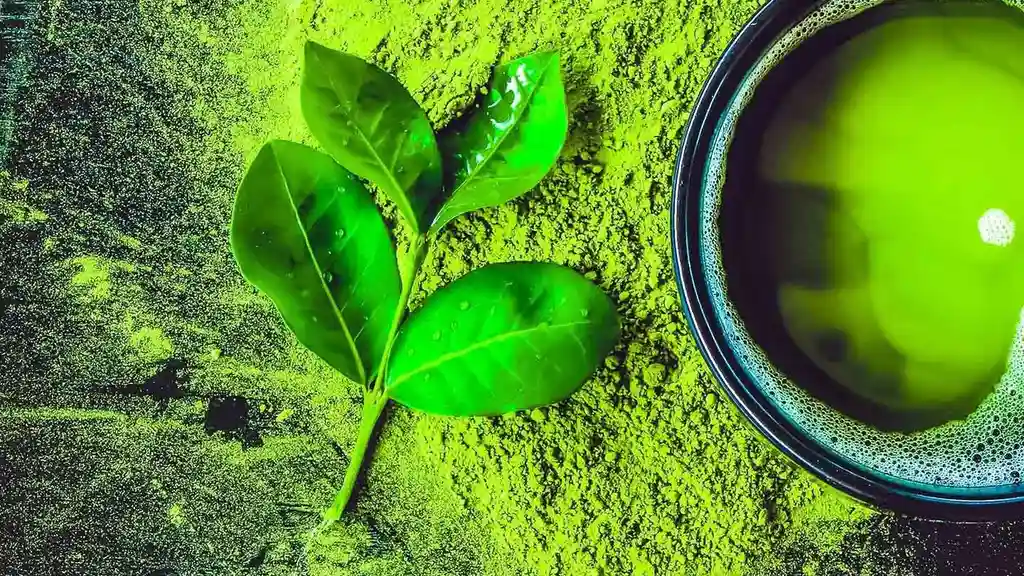
While matcha comes from the same plant as green tea, Camellia sinensis, its preparation and properties are distinctly different. The tea leaves destined to become matcha are shade-grown for about three weeks before harvest. This process boosts their chlorophyll
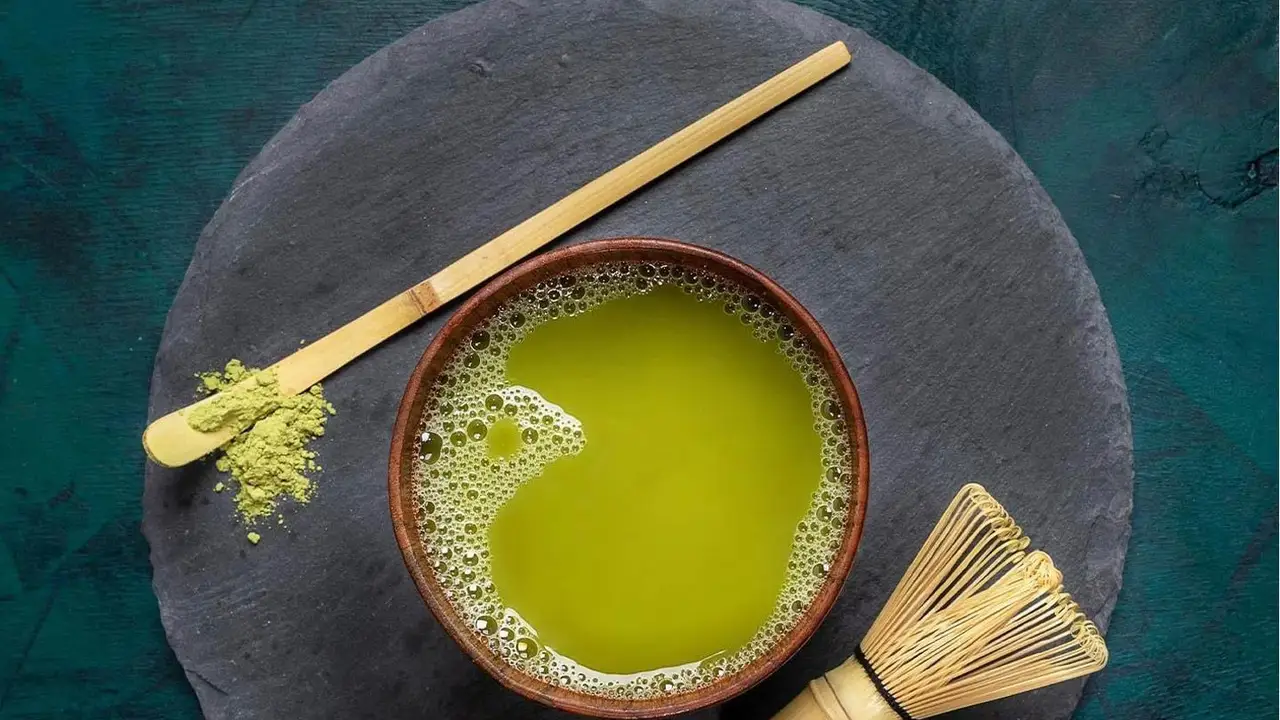
and amino acid content, particularly L-theanine. After harvesting, the leaves are steamed, dried, and stone-ground into a fine powder. Unlike regular green tea, where you steep and discard the leaves, with matcha you consume the entire leaf. This means you get a more concentrated dose of its nutrients and antioxidants—some estimates suggest up to 137 times more antioxidants than regular brewed green tea. Its origins trace back centuries to Japanese tea ceremonies, a ritualised practice focused on harmony, respect, and tranquility.
The ‘Calm Alertness’ Factor
One of the biggest reasons for matcha's growing popularity is its unique effect on energy and focus. While it contains caffeine, often comparable to a cup of coffee, it's delivered differently. The high concentration of L-theanine works in synergy with the caffeine, promoting a state of “calm alertness.” This amino acid helps increase alpha brain waves, which are associated with relaxation without drowsiness. The result is a sustained energy boost that helps with concentration and clarity, but without the jitteriness, anxiety, or sudden crash that many people experience with coffee. This balanced lift is why Zen Buddhist monks have historically used matcha to aid in long periods of meditation.
A Growing Trend in India
The global matcha craze has firmly taken root in India, where a growing focus on wellness and a thriving café culture have created the perfect environment for it to flourish. In major cities, premium cafes now feature matcha lattes as staple menu items, often becoming top sellers. This demand is driven by younger, urban consumers who are looking for healthier alternatives to sugary drinks and are influenced by global social media trends. The Indian matcha market is projected to grow significantly, with one report expecting it to reach nearly USD 96.4 million by 2033. In a significant milestone, the first commercial batch of Indian-grown matcha, cultivated in Assam, was recently introduced, signalling a new chapter for the ingredient's journey in the country.
Beyond the Beverage
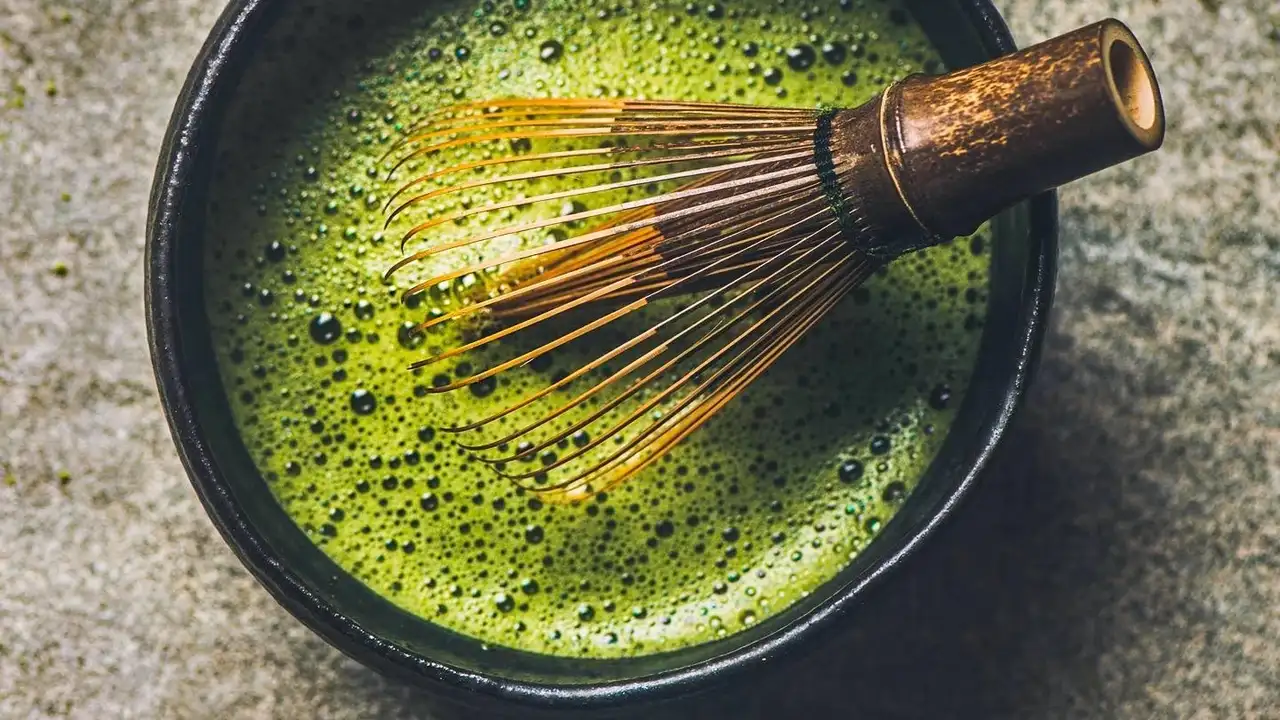
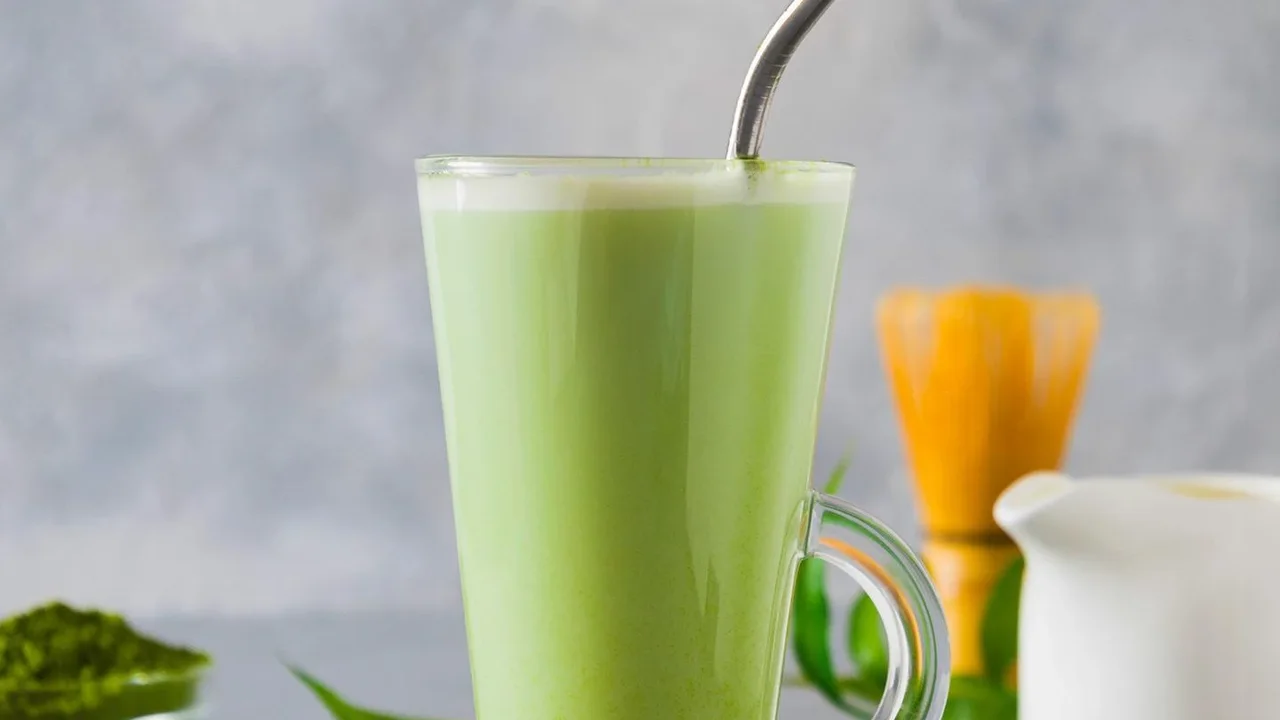
While a frothy matcha latte is the most common introduction to this green powder, its culinary uses are vast and expanding. Its unique earthy and slightly sweet flavour profile pairs well with a variety of ingredients. In the world of desserts, matcha is a star, lending its vibrant colour and complex taste to everything from cakes, cookies, and brownies to ice cream and traditional Japanese milk bread (shokupan). Chefs and home cooks are also getting creative, incorporating it into savoury dishes. Matcha can be whisked into salad dressings, used as a seasoning for vegetables, or even added to marinades for grilled meats, adding an unexpected layer of flavour.