



The Genetic Lottery of Taste
Whether you are a fan of bitter foods like kale, coffee, or dark chocolate is not just a matter of willpower; it is written in your genes. We all inherit variations of a taste receptor gene called TAS2R38. This gene comes in two main forms, often nicknamed
the 'taster' (PAV) and 'non-taster' (AVI) variants. If you inherit two copies of the 'taster' gene, you are what scientists call a 'supertaster'—foods like broccoli and Brussels sprouts can taste intensely, almost unpleasantly, bitter. If you have two copies of the 'non-taster' gene, you barely notice the bitterness. Most people fall somewhere in between, with one copy of each. This genetic trait is not a simple preference; it is a relic of our evolution, designed to help our ancestors detect potentially toxic plants.
What a Major Study Revealed
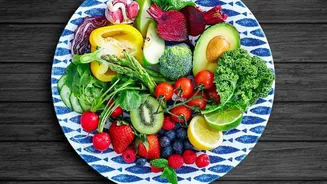
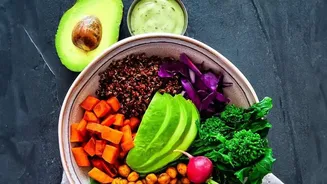
The headline's '9,000-person study' points to a body of large-scale research, including massive projects like the UK Biobank which involves about 500,000 participants, that have investigated this genetic link. A key study presented at the American Heart Association Scientific Sessions found a direct link between these gene variants and diet. Researchers discovered that people with the 'supertaster' (PAV) gene were over two and a half times more likely to eat fewer vegetables than 'non-tasters'. The intense bitterness they perceive in healthy cruciferous vegetables like cabbage, kale, and broccoli makes them naturally avoid these foods. This isn't about being a picky eater; it is a biological response to tasting compounds that others might not even register.
Beyond Taste: The Health Connection
Here is where it gets more serious. The same vegetables that supertasters avoid are packed with nutrients vital for good health. This genetic tendency to avoid bitter foods is linked to significant health outcomes. For example, a lower intake of vegetables is associated with an increased risk for cardiovascular disease. Other research has drawn even starker conclusions. One 20-year study of 5,500 women found that 'supertasters' had a significantly higher risk of developing cancer compared to 'non-tasters'. While the exact reasons are still being explored, the connection seems to lie in the reduced consumption of beneficial, antioxidant-rich vegetables. It is a powerful reminder that our innate preferences, driven by ancient genes, can have modern-day consequences for our well-being.
The Indian Context: A Taste for Bitterness
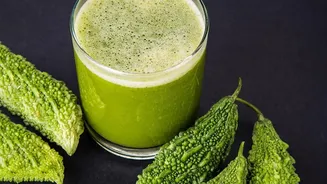
In India, the story of bitter foods is more complex. Our cuisine doesn't shy away from bitterness; in fact, it often celebrates it. Ingredients like bitter gourd (karela), fenugreek (methi), and neem are staples, valued not just for their flavour but for their perceived health benefits in traditional medicine. For centuries, Ayurveda has praised bitter foods for their ability to aid digestion, manage blood sugar, and purify the blood. This cultural embrace of bitterness provides a fascinating counterpoint to the genetic aversion seen in some individuals. It suggests that while our genes may give us a starting point, cultural practices and learned tastes can play a powerful role in shaping our diets for the better.
So, Should You Force Yourself to Eat Karela?
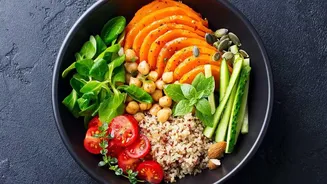
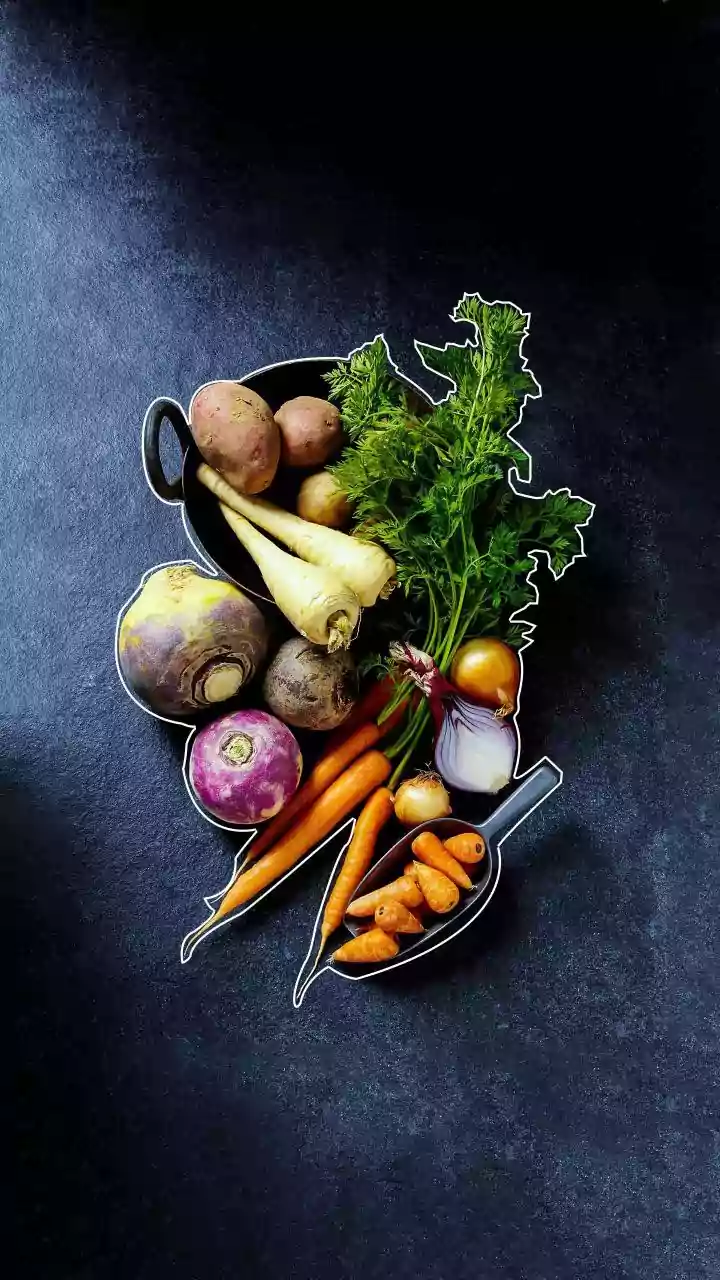
The research does not suggest that your genetic destiny is to be unhealthy if you dislike bitter flavours. Awareness is the first step. Understanding that you may be genetically sensitive to bitterness can help you reframe the challenge. Instead of forcing down foods you find unpleasant, you can find creative ways to prepare them. Cooking methods like stir-frying or pairing bitter vegetables with sweet or fatty ingredients can mask the bitterness. Furthermore, there are many non-bitter vegetables to choose from. The goal is not to punish your taste buds but to ensure you are getting a wide variety of plant-based nutrients, regardless of your genetic predisposition. Your genes may influence your preferences, but they do not have to dictate your health.