








The Power of an Answer Engine
There's no denying the sheer power of artificial intelligence. It can sift through mountains of data in seconds, draft reports, write code, and handle routine customer queries with an efficiency that no human team can match. This is what we mean when
we say AI can 'generate answers'. It is a formidable tool for productivity, capable of tackling monotonous and repetitive tasks, thereby freeing up human employees to focus on more strategic, creative, and complex problems. Research shows that businesses see significant performance improvements when they use AI to augment their workforce, not just replace it. This model of 'collaborative intelligence' leverages AI for its speed and analytical prowess, making workflows smarter and faster.
The Currency of Human Connection
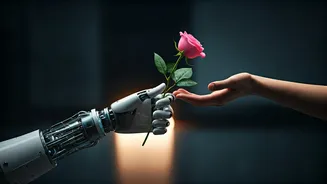
But a successful business is built on more than just fast answers. It's built on relationships, and the foundational currency of any strong relationship is trust. Trust is a deeply human concept, rooted in consistency, reliability, and emotional connection. It’s the feeling a client has when they believe you genuinely understand their needs, or the confidence an employee has that their leaders are making ethical decisions. This is where the limits of AI become clear. While AI can simulate empathetic language, it cannot genuinely feel empathy, a trait that requires shared human experience. This distinction is crucial; customers and partners can often sense the difference between a programmed response and authentic understanding, and that difference is where loyalty is won or lost.
Where AI Falls Short on Trust
The very nature of current AI makes it difficult to trust. For one, many AI systems are a 'black box'—even their creators cannot fully explain how they arrived at a specific conclusion. This lack of transparency can be a major barrier. Furthermore, AI models trained on biased data can perpetuate and even amplify those biases, leading to outcomes that are unfair or discriminatory. The risk of AI eroding customer trust is significant; sloppy or impersonal AI-driven communications can create barriers to genuine connection. A recent survey highlighted this growing trust gap, with 22% of consumers citing 'trust' as a primary concern regarding AI. When it comes to sensitive or complex issues, forcing a customer to interact with an AI without a clear path to a human expert is a common mistake that can destroy satisfaction.
A Collaborative Future
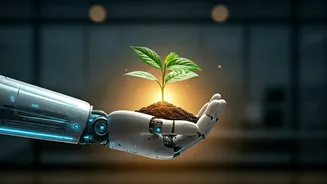
The path forward is not to choose between humans and AI, but to create a symbiotic partnership. The most successful organisations will be those that supercharge their workers by letting AI handle the quantitative, data-heavy tasks, freeing up people to do what they do best: innovate, lead, and connect. This means investing in 'human' skills like emotional intelligence, critical thinking, and creativity, which become even more valuable in an AI-driven world. A recent global study confirmed this, finding that while professionals use AI heavily for research, the majority believe human intuition should be the final authority in strategic decisions. Leaders must ensure that time in the workplace is spent collaboratively, allowing employees to build the communication and feedback skills that machines cannot replicate.