





Why Prices Rise in the First Place
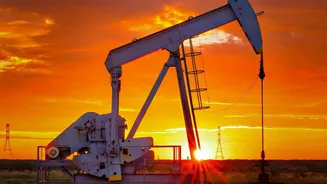
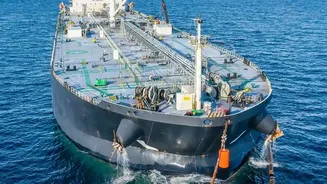
The journey of your fuel price starts thousands of miles away. India imports over 85% of its crude oil, which means we are highly dependent on global markets. The price of this raw material, known as crude oil, is influenced by a mix of factors: supply
decisions by oil-producing countries (OPEC), geopolitical tensions, and global demand. Any disruption, like a conflict in the Middle East or a change in production strategy, can send global prices soaring. Since India buys this oil in US dollars, a weakening rupee can also make our import bill more expensive, even if the global oil price stays the same. This combination of global prices and currency rates sets the basic cost that oil companies in India have to pay.
From Crude Oil to Your Car: The Price You Actually Pay
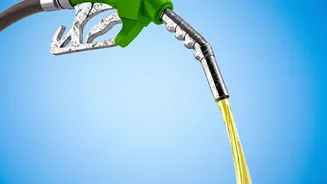
The price you see at the pump is made up of four main components. First is the base price, which includes the cost of crude oil, refining, and a margin for the oil companies. Second, the central government applies a fixed excise duty. Third, your state government adds its own Value Added Tax (VAT), which is a percentage of the total. Finally, there's a small commission for the petrol pump dealer. Because state VAT is a percentage, when the base price and central taxes go up, the state's tax collection in rupees also increases automatically, further pushing up the final retail price. These taxes are a significant portion of the cost, often making up around half of what you pay for every litre.
The Ripple Effect: It's Not Just About Petrol
The most immediate impact of rising oil prices is felt at the fuel station, but the secondary effects are far more widespread. The key is diesel. Trucks that transport everything from fresh vegetables and grains to packaged goods and electronics run on diesel. When diesel becomes more expensive, transportation costs rise. These higher logistics costs are almost always passed on to the end consumer. This is why you might notice the price of your groceries, milk, and other daily essentials increasing a few weeks or months after a fuel price hike. It’s a direct chain reaction from the highway to your home.
How Industry and Your Household Budget Are Affected
Beyond transport, many industries use petroleum-based products as raw materials. The manufacturing of paints, plastics, packaging, and even fertilisers is dependent on oil derivatives. When these input costs rise, companies face a choice: absorb the cost and accept lower profits, or pass the expense on to customers through higher prices. Often, it's a mix of both. For consumers, this means the cost of living goes up. Household budgets get squeezed as more money is spent on transport and essential goods, leaving less for discretionary spending like eating out, entertainment, or shopping. This reduction in consumer spending can, in turn, slow down overall economic growth.
Practical Steps to Manage the Impact
While you can't control global oil prices, you can take steps to soften the blow to your wallet. The most effective strategies involve reducing fuel consumption. Simple habits like maintaining correct tyre pressure, avoiding aggressive acceleration and braking, and turning off your engine at long traffic signals can improve your vehicle's mileage. Planning your trips to combine several errands at once also saves fuel, as a warm engine is more efficient. For daily commutes, consider carpooling or using public transport like the metro where available. These small, consistent changes can lead to significant savings over time, helping you better manage your finances during periods of high fuel costs.