




Hanle, Ladakh: India's Celestial Crown
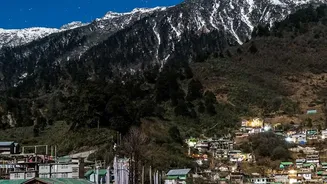
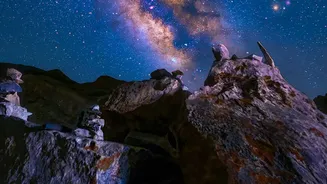
Home to India's first official Dark Sky Reserve, Hanle in Ladakh is arguably the best stargazing spot in the country. Located in the remote Changthang plateau at an altitude of over 14,000 feet, the region's dry, cold air and near-zero light pollution
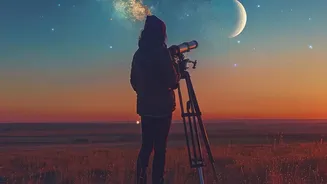
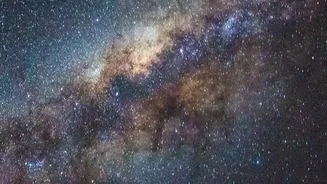
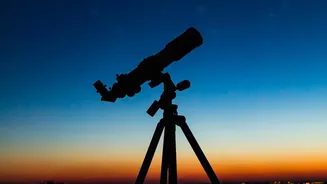
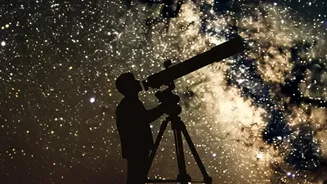
offer exceptionally clear views of the cosmos. The Hanle Dark Sky Reserve, established in collaboration with the Indian Institute of Astrophysics, surrounds the Indian Astronomical Observatory. On a moonless night, the Milky Way is so bright it can seem almost within reach, and constellations pop with breathtaking clarity. Local villagers, trained as 'Astronomy Ambassadors', often guide visitors, sharing knowledge and offering telescope viewings of planets and distant galaxies.
Spiti Valley, Himachal Pradesh: A High-Altitude Desert Canvas
Spiti Valley is a cold desert mountain valley that provides some of the most dramatic nightscapes in the Himalayas. Its high altitude, typically above 12,000 feet, means there's less atmosphere to distort the starlight, resulting in incredibly sharp views. Villages like Langza, Kaza, and Kibber are renowned for their pitch-black skies after 9 PM. The best time for stargazing is between May and October, when the weather is manageable and the Milky Way core is highly visible. For photographers and enthusiasts, the sight of our galaxy arching over ancient monasteries or the famous Buddha statue in Langza is an unforgettable experience.
Rann of Kutch, Gujarat: Stars Over a Salt Desert
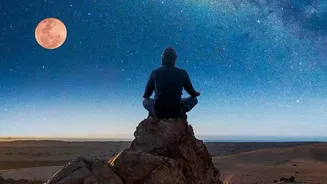
The vast, flat expanse of the Great Rann of Kutch offers a surreal stargazing experience. Far from major urban centres, this salt marsh has minimal light pollution, creating a massive, unobstructed dome of stars. During the Rann Utsav (typically November to March), the dry winter air makes for crystal-clear nights. While a full moon bathes the white salt in an ethereal glow, a new moon night reveals a sky packed with stars, with the Milky Way often visible. Lying on the cool salt crust under an endless canopy of stars is a unique spectacle that combines natural wonder with profound silence.
Coorg, Karnataka: The Western Ghats' Surprise
Proving that you don't need to be in a desert or the high Himalayas, the misty hills of Coorg offer a surprisingly dark sanctuary for stargazers in South India. The region, particularly the southern valleys near the Brahmagiri foothills, boasts excellent dark skies away from the main towns of Madikeri and Virajpet. The best viewing season is from November to May, after the monsoons have cleared the skies. Several homestays, resorts, and dedicated observatories like Starscapes in Coorg offer guided astronomy sessions with powerful telescopes, making it an accessible destination for families and beginners to see Saturn's rings or the craters on the Moon.
Neil Island, Andaman and Nicobar: A Seaside Cosmic Show
For those who dream of watching the stars with the sound of ocean waves in the background, Neil Island (Shaheed Dweep) is a tropical paradise. Its remote location in the Bay of Bengal means it is free from the light pollution of the mainland, offering pristine skies. Beaches like Laxmanpur and Sitapur become natural observatories after sunset, where you can lie on the sand and watch the cosmos unfold. The period between November and April provides the clearest, driest skies for spotting constellations and even the faint band of the Milky Way over the sea, a truly magical experience.