



Why We Need Vitamin A
First, a quick refresher on why vitamin A is so vital. This fat-soluble vitamin is a cornerstone of our health, playing a critical role in numerous bodily functions. It is essential for maintaining good vision, especially in low light, which is why it's
famously linked to seeing in the dark. Beyond our eyes, vitamin A supports a robust immune system, helps with reproduction, and ensures the proper functioning of major organs like the heart, lungs, and kidneys. It also helps form and maintain healthy skin, teeth, and soft tissues. Our bodies can get vitamin A in two ways: directly from animal products as preformed vitamin A (retinol), or by converting plant pigments called carotenoids.
Understanding Vitamin A Precursors
The vibrant colours of many fruits and vegetables come from pigments called carotenoids. There are over 600 types, but they fall into two main categories. The first are 'provitamin A' carotenoids, which our bodies can convert into vitamin A. The most famous of these is beta-carotene, but alpha-carotene and beta-cryptoxanthin also belong to this group. The second category is 'non-provitamin A' carotenoids. These pigments, such as lutein, zeaxanthin, and lycopene, cannot be turned into vitamin A but have their own important health benefits, primarily acting as powerful antioxidants that protect cells from damage.
Carrots: The Beta-Carotene Powerhouse
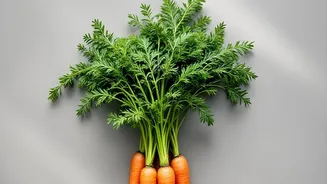
When you think of vitamin A from vegetables, carrots immediately come to mind. Their bright orange hue is a dead giveaway for their high concentration of beta-carotene. Carrots are exceptionally rich in this specific provitamin A carotenoid. When you eat carrots, an enzyme in your intestine gets to work, converting the beta-carotene into retinol, the active form of vitamin A. This makes carrots a highly effective source for boosting your body's vitamin A levels, directly supporting vision, immunity, and overall cell health. Studies show that the conversion of beta-carotene from carrots into vitamin A is more efficient than from spinach.
Spinach: A Different Mix of Carotenoids
Spinach also contains beta_carotene and can contribute to your vitamin A intake, though it's less efficient at it than carrots. However, the real strength of this leafy green lies in its rich profile of other carotenoids. Spinach is loaded with lutein and zeaxanthin, two powerful non_provitamin A carotenoids. These compounds are particularly important for eye health. They accumulate in the retina, specifically the macula, where they act like internal sunglasses, filtering harmful high_energy blue light and protecting the eyes from oxidative damage. This protective action is believed to reduce the risk of age_related eye conditions like macular degeneration and cataracts.
The Key Is Variety and Preparation
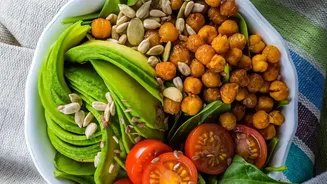
So, which is better? The answer isn't about choosing one over the other. Carrots are champions for providing beta_carotene that the body can readily convert to vitamin A. Spinach, while a source of beta_carotene, offers a wider array of carotenoids like lutein and zeaxanthin that provide targeted protection for your eyes. To get the most out of both, preparation matters. Because carotenoids are fat_soluble, eating them with a source of fat—like olive oil dressing on a salad—is crucial for proper absorption. Furthermore, cooking and chopping these vegetables can help break down their tough cell walls, making the carotenoids more available to your body.