






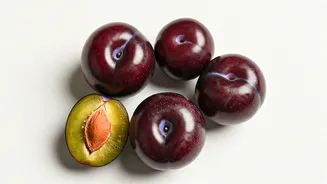


A Powerhouse of Nutrients
Plums are impressively high in essential nutrients. Despite being low in calories, with a single medium plum containing about 30 calories, they are packed with over 15 different vitamins and minerals. They are a good source of vitamin C, which is vital
for healing, building muscle, and forming blood vessels. They also provide vitamin K, important for bone health and blood clotting, and vitamin A, which supports vision and the immune system. Furthermore, they contain potassium, a mineral that helps manage blood pressure and fluid balance in the body.
An Aid for Smooth Digestion
One of the most well-known benefits of plums is their ability to support digestive health. They are a good source of both soluble and insoluble dietary fibre. Insoluble fibre adds bulk to stool, helping it pass more easily through the digestive system and preventing constipation. Soluble fibre dissolves to form a gel-like substance, which can help regulate blood sugar and feed beneficial gut bacteria. Plums also contain sorbitol, a natural sugar alcohol that has a mild laxative effect by drawing water into the intestines, further helping to keep you regular.
Rich in Protective Antioxidants
Plums are loaded with antioxidants, particularly polyphenols, which help protect the body's cells from damage caused by unstable molecules called free radicals. This cellular damage, known as oxidative stress, is linked to chronic diseases like heart disease and diabetes. The deep red and purple colours of many plum varieties come from anthocyanins, a type of polyphenol that has been shown to have powerful anti-inflammatory effects. By reducing inflammation, these antioxidants can contribute to overall health and lower the risk of various chronic conditions.
Supports Heart Health
Regularly including plums in your diet may have a protective effect on your heart. Their high fibre content helps lower 'bad' LDL cholesterol, while the potassium in plums helps control high blood pressure by balancing sodium levels. Both high cholesterol and high blood pressure are major risk factors for heart disease. The antioxidants in plums also play a role by reducing inflammation and preventing oxidative damage to arteries, which can contribute to cardiovascular problems.
Helps Manage Blood Sugar
Despite their sweet taste, plums do not typically cause a sharp spike in blood sugar levels. This is because their fibre content slows down the rate at which your body absorbs carbohydrates after a meal. Some studies suggest that plums may also increase levels of adiponectin, a hormone that plays a role in blood sugar regulation. This makes them a suitable and healthy fruit choice for people who need to manage their blood sugar, as long as they are eaten in moderation.
Good for Your Bones
Emerging research suggests that plums, and especially their dried form, prunes, are excellent for bone health. Some studies have shown that regular consumption may help reduce bone loss and even potentially reverse it, which is particularly beneficial in preventing conditions like osteoporosis. While the exact reasons are still being studied, it is believed that the rich combination of antioxidants and nutrients like vitamin K, potassium, and magnesium in plums contribute to these bone-protective effects.
A Note on Moderation
While plums are incredibly healthy, the headline's call to eat them daily should be met with a sense of balance. Due to their fibre and sorbitol content, eating too many at once can lead to digestive discomfort like gas, bloating, or diarrhoea. A sensible portion is typically one or two fresh plums a day. This allows you to enjoy their benefits without any undesirable side effects. As with any food, listening to your body is key.