








From Financial Fog to Instant Clarity
The single biggest hurdle to effective budgeting is often the tedious task of manually tracking every expense. Budgeting apps solve this by automating the entire process. By securely linking to your bank accounts and credit cards, these apps automatically
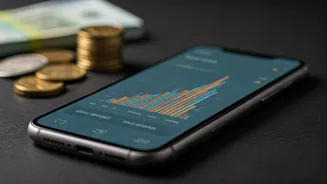
download and categorize your transactions, giving you a clear, up-to-date picture of where your money is going without you having to lift a finger. This removes the manual effort and guesswork, transforming a confusing mess of transactions into simple, easy-to-understand reports and charts. It’s the difference between trying to navigate in a fog and having a perfectly clear map of your financial landscape.
The Psychology of Real-Time Awareness
One of the most powerful ways apps build discipline is by making your digital spending feel real again. Financial psychologists note that electronic money is much harder for the brain to track than physical cash. Apps counteract this by providing real-time notifications and updates on your spending. This instant feedback creates a conscious awareness of each purchase, engaging the logical part of your brain to think through whether a purchase is affordable or simply an emotional impulse. Seeing your category budget shrink immediately after buying a coffee provides a powerful behavioural nudge that manual spreadsheets, checked only at the end of the month, can't replicate. This enhanced awareness is crucial for curbing impulse buys and sticking to a plan.
Making Goals Concrete and Achievable
Saying you want to "save more" is a vague wish, but a budgeting app turns it into a concrete plan. Most apps have dedicated goal-setting features that allow you to define specific targets, whether it's for a vacation, a down payment, or an emergency fund. You can set a target amount and a deadline, and the app will help you track your progress visually. This transforms an abstract goal into a tangible, measurable objective. Seeing the progress bar move closer to your target provides constant motivation and helps you stay focused. Apps can even help you identify areas where you can cut back to allocate more money toward your financial milestones.
Finding the Right App for You in India
The Indian market has a variety of excellent budgeting apps tailored to local needs. For those who want zero-effort tracking, apps like Moneyview and Axio (formerly Walnut) are popular choices because they can automatically track expenses by reading SMS alerts from banks and billers. This feature is particularly useful for consolidating transactions from various accounts into one place. For users who prefer a more hands-on approach based on proven methods, Goodbudget uses the digital 'envelope' system, where you allocate a specific amount of money to different spending categories each month. Meanwhile, apps like ET Money integrate expense tracking with investment management, offering a more holistic view of your finances. The key is to find an app whose philosophy and features align with your personal style.
A Tool, Not a Magic Wand
While incredibly helpful, it's important to remember that a budgeting app is a tool to assist your discipline, not create it from thin air. To get the most out of it, you need to build healthy habits. This includes checking the app regularly, taking time to review your weekly or monthly spending reports, and being honest when categorizing expenses. It's also crucial to be mindful of data security; always use apps from trusted developers with strong security measures like multi-factor authentication. Over-reliance on automation without understanding your own habits can be a pitfall. The goal is not just to track your money, but to understand your relationship with it.