

The Science of Surface Area
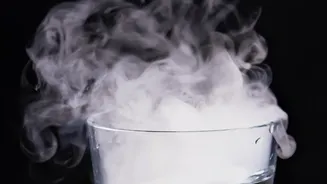
The core principle at play is simple physics. The rate of evaporation is directly related to surface area. A wider pan exposes more of the liquid to the air, allowing moisture to escape as steam much more quickly. Think of a puddle on a hot day; a wide,
thin puddle disappears faster than a small, deep one. The same is true in your kitchen. A larger pan provides a bigger stage for evaporation, which you can use to your advantage. Conversely, a pan with a smaller diameter and taller sides will slow evaporation down, trapping moisture and heat. Understanding this one concept is the first step to taking control of your cooking in a whole new way.
Harnessing Evaporation for Sauces
When you want to thicken a sauce or create a flavourful reduction, a wide pan is your best friend. Using a large sauté pan or skillet to simmer a sauce allows the water content to boil off rapidly, concentrating the flavours left behind without having to cook it for an excessive amount of time. If you were to use a tall, narrow saucepan for the same task, the limited surface area would mean a much slower reduction process. While some recipes benefit from a long, slow simmer to meld flavours, a wide pan gives you the power to create rich, syrupy glazes and thickened sauces in a fraction of the time, simply by giving the moisture more room to escape.
Achieving the Perfect Sear
One of the most common cooking frustrations is meat or vegetables that end up steaming instead of browning. This is often a direct result of overcrowding a pan that's too small for the job. When you place food in a hot pan, it immediately begins to release moisture. In a sufficiently large pan with plenty of space, that moisture evaporates instantly, allowing the surface of the food to stay dry and reach the high temperatures needed for the Maillard reaction—the chemical process that creates that delicious brown crust. However, if the pan is too crowded, the moisture gets trapped between the pieces of food. This creates a layer of steam that cools the pan's surface, boiling or steaming your food in its own juices instead of searing it. The solution is to either use a larger pan or cook your food in batches, ensuring there's enough open surface area for steam to escape quickly.
When You Want to Keep Moisture In
Of course, not every dish is about getting rid of moisture. For braises, stews, and soups, the goal is often to retain liquid and let flavours develop over a long cooking time. For these applications, a pot with a smaller diameter and higher sides, like a Dutch oven or stockpot, is ideal. The reduced surface area minimizes evaporation, and a tight-fitting lid can trap steam, which then condenses and drips back into the pot, keeping your dish moist and flavourful for hours. Choosing a taller, narrower pot is an intentional decision to slow down moisture loss, ensuring your slow-cooked meats stay tender and your soups remain brothy.