




A New Travel Anthem
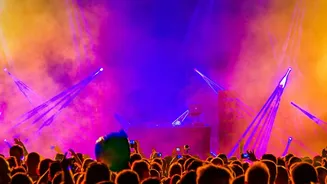
Forget ticking landmarks off a list. A new report from backpacker hostel chain Zostel highlights a significant shift in youth travel: one in three Gen Z travellers in India now prefers a trip centered around a music festival over a conventional holiday.
This isn't just a fleeting trend; the company reports a four-to-five-fold year-on-year growth in music-led travel bookings. This generation, defined as those born between the late 1990s and early 2010s, is rewriting the rules. Instead of saving up for one long annual trip, nearly seven in ten prefer taking multiple short breaks throughout the year. This move towards spontaneous, frequent getaways has found its perfect match in the vibrant, multi-day world of music festivals.
Experience Over Itinerary
At the heart of this change is a deep-seated desire for experiences over passive sightseeing. For Gen Z, travel is a form of self-expression. A staggering 95% want their trips to feel personal and unique, not like a pre-packaged tour. Festivals offer exactly that: a temporary community built around shared passions, discovery, and immersion. It’s less about where you are and more about what you feel. According to an Airbnb report, 80% of young travellers say small, authentic moments on a trip matter more than famous attractions. This cohort is dubbed the "Anti-Itinerary" generation, often leaving large parts of their schedule unplanned to allow for spontaneous exploration. A festival weekend, packed with music, art installations, food experiences, and social opportunities, delivers a concentrated dose of the memorable moments they crave.
The Rise of the Festival Economy
This trend is creating powerful economic ripples. Music-led tourism is a rapidly growing segment, with the broader experiential travel market in India projected to reach $45 billion by 2027, driven primarily by this younger demographic. Festivals like Lollapalooza in Mumbai, NH7 Weekender in Pune and Meghalaya, and Ziro Festival in Arunachal Pradesh are no longer just cultural events; they are major tourism catalysts. More than half of Gen Z travellers extend their stays beyond the festival dates to explore the host city, injecting money into local cafes, shops, and hotels. This is amplified by the fact that 70% attend in groups. Recognizing this, the Ministry of Tourism has even started promoting regional festivals as key attractions under its "Dekho Apna Desh" initiative.
More Than Just the Music
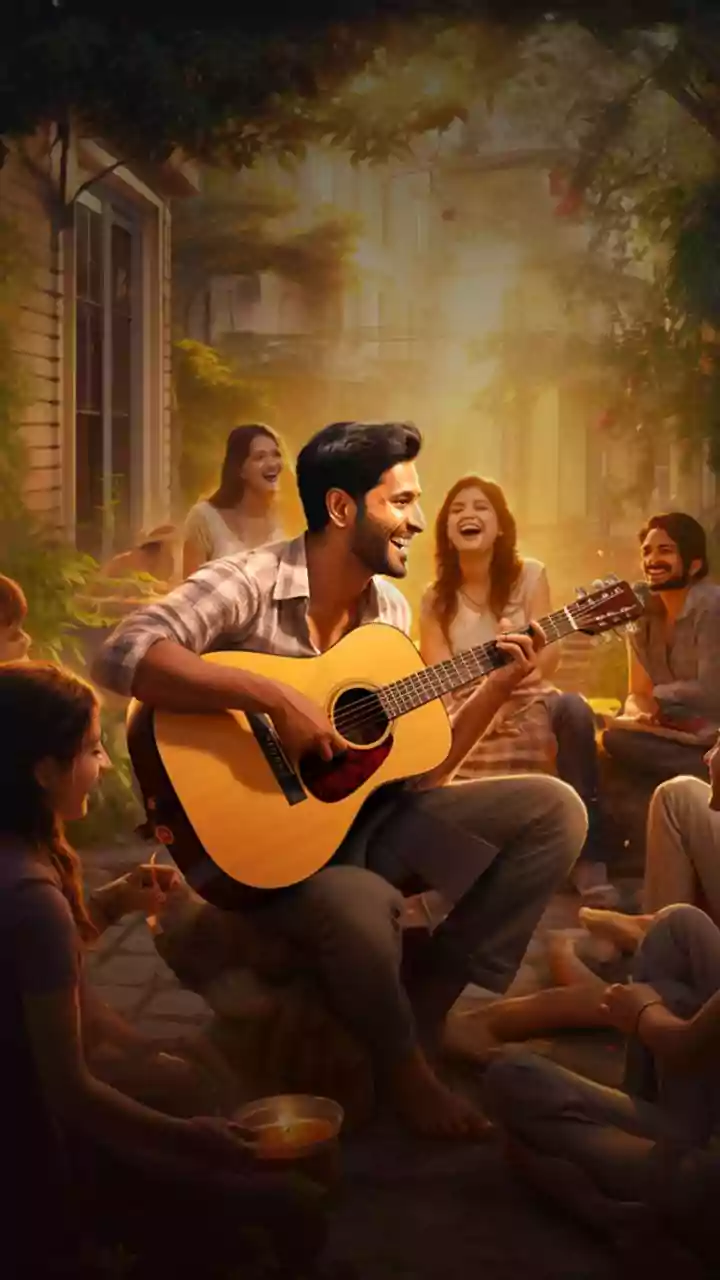
While the headline acts draw the crowds, the appeal of a festival goes far beyond the main stage. These events are curated worlds offering a diverse menu of engagement. Modern festivals are multi-sensory experiences, blending music with stand-up comedy, interactive art, brand-led experiential zones, and extensive food parks. This aligns perfectly with Gen Z's holistic view of entertainment. The social element is also a huge draw. Zostel's report noted that around 80% of their festival travellers book solo, arriving alone but forming new connections and leaving with a group. This points to a desire for community and shared experiences, turning a weekend of music into a potent social event.
India's Growing Live Scene
The demand from travellers is being met by an increasingly sophisticated supply of events. The arrival of global giants like Lollapalooza has elevated production standards across the board, from sound engineering to crowd management. Simultaneously, homegrown festivals like NH7 Weekender, which started in 2010 with just 3,000 attendees in Pune, now draw tens of thousands to multiple cities, showcasing a majority of Indian artists. The Northeast, in particular, has emerged as a hub for music tourism, with events like the Ziro Festival and Meghalaya's Cherry Blossom Festival seeing explosive growth in travel bookings. This professionalization of the live music circuit ensures that young travellers are not just showing up, but are being rewarded with world-class experiences that keep them coming back.