

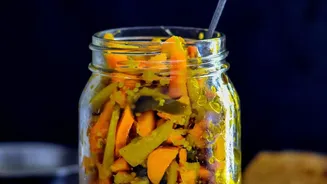
What is Oil-Free Fermentation?
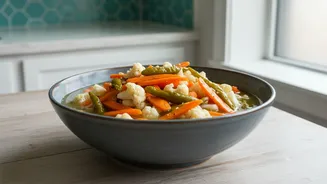
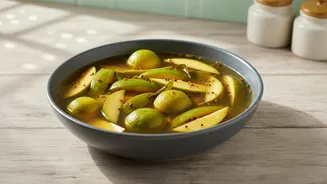
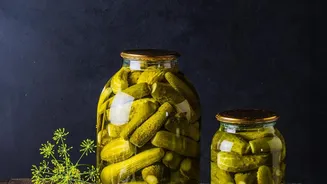
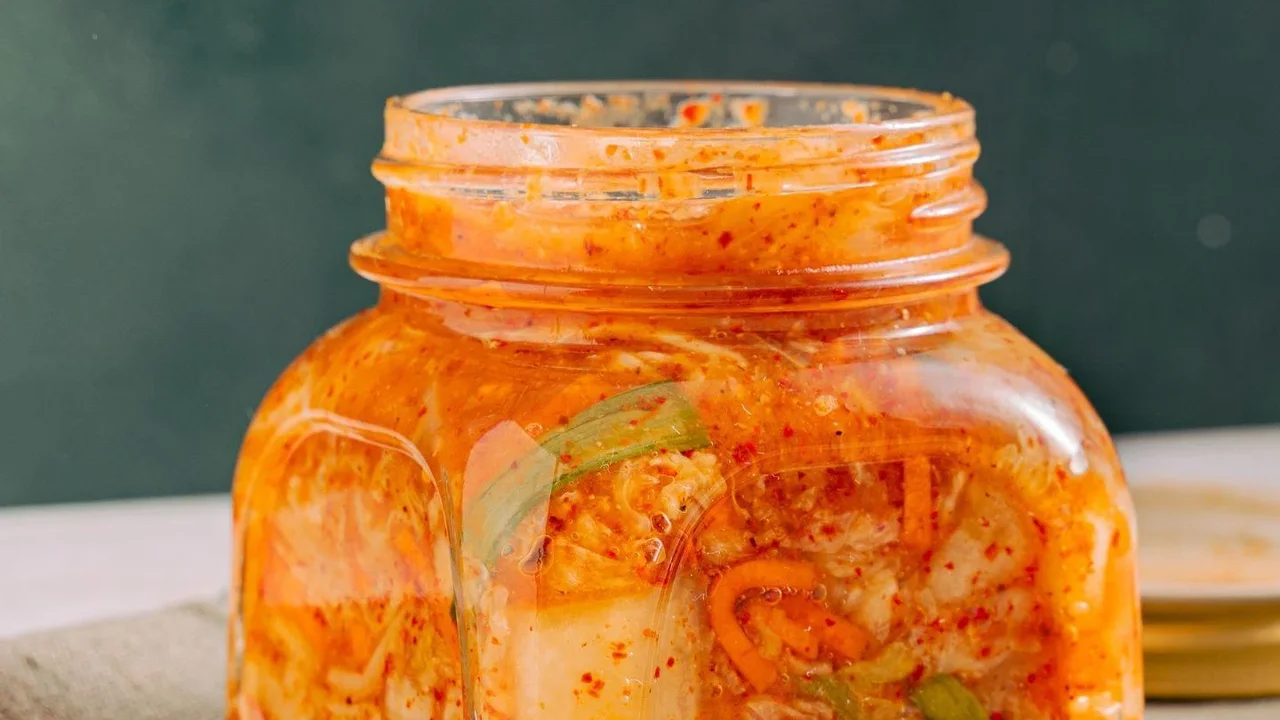
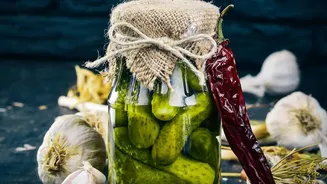
At its heart, traditional oil-free fermentation is a process known as lacto-fermentation. It’s an ancient technique that uses just salt, water, and the natural microorganisms already present on the vegetables themselves. Unlike pickling that relies on an external
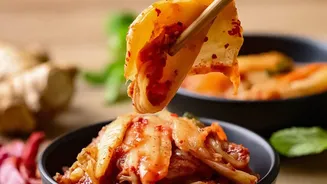
acid like vinegar, this method encourages beneficial bacteria, primarily from the Lactobacillus family, to do all the work. By creating an anaerobic (oxygen-free) environment, these microbes convert the natural sugars in the vegetables into lactic acid. This process is the magic behind everything from European sauerkraut and Korean kimchi to some of our own traditional Indian fermented drinks and pickles like Kanji.
The Science of Staying Fresh
How can vegetables stay fresh for weeks or months without refrigeration or oil? The secret lies in the acidic environment created by the Lactobacillus bacteria. As these microorganisms produce lactic acid, the pH of the brine drops significantly. This acidity makes the environment inhospitable for the kinds of microbes that cause spoilage, rot, and mould. The salt used to start the process plays a crucial role, too; it draws water out of the vegetables, creating a concentrated brine and preventing spoilage bacteria from getting a foothold in the early stages before the lactic acid takes over. The result is a vegetable that remains crisp and vibrant, preserved in its own protective, flavourful liquid.
A Powerhouse of Healthy Probiotics
The biggest health headline for fermented foods is probiotics. While spoilage microbes are kept at bay, the beneficial Lactobacillus and other friendly bacteria multiply, turning the vegetables into a probiotic-rich food. These live microorganisms are essential for a healthy gut microbiome. A thriving gut ecosystem is linked to numerous benefits, including improved digestion, enhanced nutrient absorption, and a stronger immune system. By regularly consuming these foods, you are constantly replenishing the good bacteria in your digestive tract, which helps maintain a healthy balance and can prevent the overgrowth of harmful pathogens.
Why Being 'Oil-Free' Matters
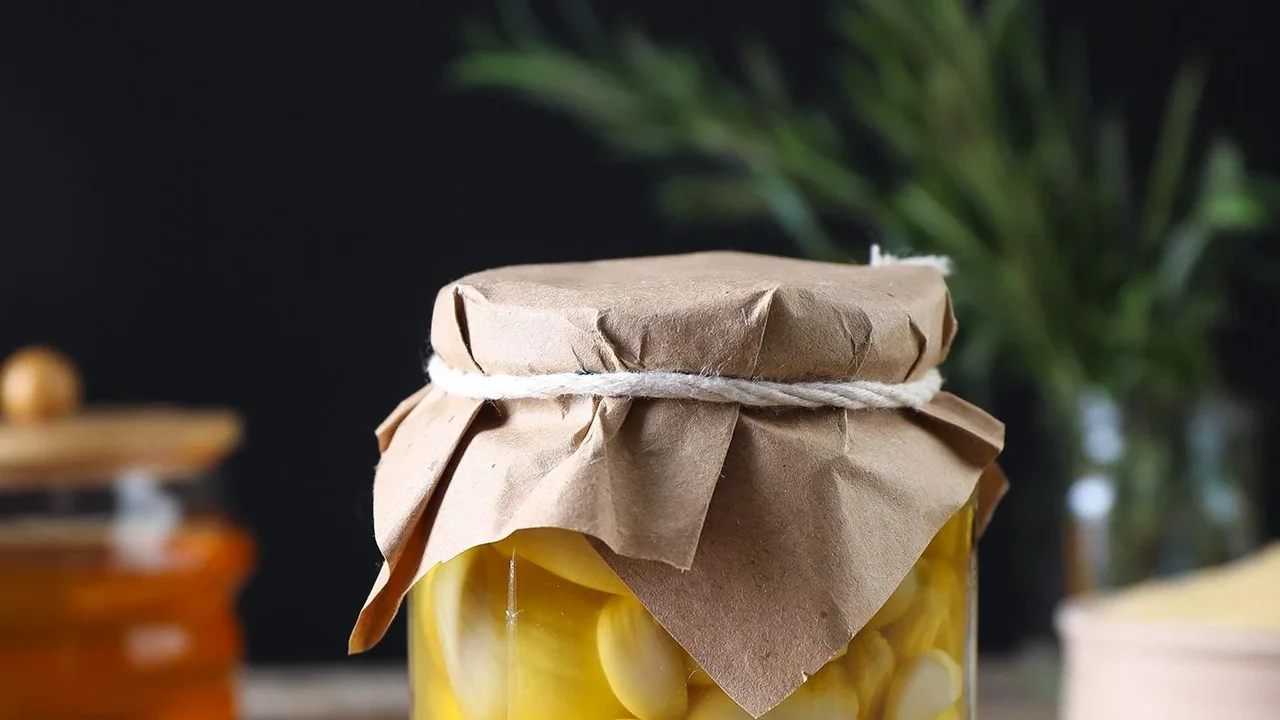
In India, we love our 'achaar,' but many traditional recipes rely on a thick layer of oil to preserve the contents. Oil works by creating a physical barrier that seals out air and moisture, preventing microbial growth. While delicious, this method is very different from oil-free fermentation. Oil-free lacto-fermentation preserves through biological action, not a physical barrier. This results in a finished product with a distinctively tangy, complex flavour profile, rather than one dominated by oil and spices. For those managing their fat intake or simply preferring a lighter taste, it's an excellent alternative that puts the nutritional benefits front and centre.
More Than Just Preservation
The benefits of fermentation extend beyond just preservation and probiotics. The process also makes vegetables easier to digest. The bacteria begin to break down the tough cellular structures and complex carbohydrates, essentially 'pre-digesting' the food for you. Furthermore, fermentation can actually increase the nutritional value of vegetables. The process can synthesize new vitamins, particularly B vitamins and Vitamin K2, and make existing minerals more bioavailable for your body to absorb. Flavours also become more complex and satisfying, developing a savoury depth often described as 'umami'.