



The New Reality of Public Photos
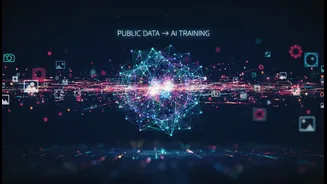
In the past, privacy concerns about online photos focused on who might see them. Today, the bigger issue is what might learn from them. Generative AI systems are trained on billions of images scraped from the internet, including social media, blogs, and
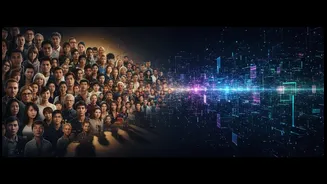
public websites. Your photos — from vacation snapshots to family portraits — are being used to teach AI models how to understand and replicate the world. This process often happens without your knowledge or consent. Once an AI model has learned from your image, your likeness, style, or environment becomes part of its internal knowledge, which can be used to generate entirely new, synthetic images. This shift means that every public post is no longer just a shared moment; it's a permanent contribution to a global data ecosystem with few rules.
What Makes a Photo 'High-Risk'?
Not all photos carry the same level of risk. A high-risk image is one that contains sensitive data that can be exploited. Clear, high-resolution photos of your face are prime targets, as they provide biometric data for training facial recognition and creating deepfakes. Photos of children are especially high-risk, creating a permanent digital footprint they did not consent to. Images that reveal your location through geotags or background details — like your home, workplace, or street signs — are also risky. Pictures of documents, such as tickets, IDs, or letters, can leak personal information. Even seemingly harmless photos can be combined by AI to build a detailed profile of your life, habits, and relationships.
Master Your Social Media Privacy Settings
The most powerful first step is to lock down your accounts. Your default setting should be private, not public. On platforms like Instagram and Facebook, setting your account to private means only approved followers can see your posts. This drastically reduces the chances of your images being scraped by unknown third-party AI crawlers. Go through your settings on each platform and turn off features that allow your content to be reused. For example, some platforms now have specific toggles to opt out of your public content being used for AI training. Also, review tagging settings. Choose to manually approve any tags to prevent your profile from being linked to photos you don't control.
Perform a Digital Footprint Audit
It's not just about future posts; your past photos matter, too. Take the time to go through your old posts and albums on social media. If you find sensitive or high-risk images posted publicly, either delete them or change their visibility to “Friends Only” or a similarly restricted audience. Pay special attention to your profile pictures, which are often public by default. Consider whether you need a clear facial photo or if an avatar or a less direct image would suffice. Review the permissions you've granted to various apps; many games or utilities ask for access to your entire photo library when they don't need it. Revoking this access can prevent apps from silently scanning your camera roll.
Adopt Safer Posting Habits
Before you share a new photo, develop a mental checklist. Ask yourself: does this image reveal sensitive information? Does it show my home, my children's faces, or my location? Be cautious with viral photo trends, especially those that ask you to upload your picture to a third-party AI tool. These services often have vague privacy policies and may retain your image for their own model training. When posting, consider stripping metadata from your photos. This data, which includes GPS coordinates, can be easily removed with various apps before uploading. Blurring faces, especially of children or other people who haven't given consent, is another useful step.
Consider Advanced Protection Tools
For those who need to maintain a public presence, like artists or creators, a new class of tools is emerging to protect images. Tools like Glaze and Mist work by adding a nearly invisible layer of digital noise to an image. To a human, the image looks normal, but to an AI, the noise scrambles the data, making it difficult for the model to learn from the image's style or content. Another tool, Nightshade, takes a more offensive approach by “poisoning” the data, causing the AI model to mis-learn concepts if it scrapes the image. While no tool offers a perfect guarantee, they represent an extra layer of defense for high-value images that must be shared publicly.