

The Silent Problem Below the Gums
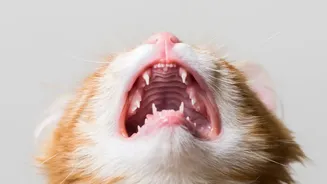
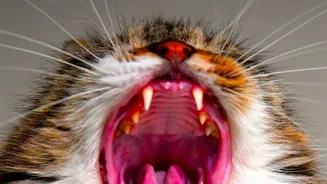
Many pet owners don't realise that the vast majority of dental disease in dogs and cats happens below the gumline, hidden from view. By the time you notice persistent bad breath or yellow-brown tartar on the teeth, the problem is often well underway.
This process starts with plaque, a sticky film of bacteria that forms on teeth. If not removed, plaque hardens into tartar within days, creating a rough surface for even more bacteria to grow. This leads to gingivitis, or inflamed gums, which is the first stage of periodontal disease. Shockingly, studies show that around 80% of dogs and 70% of cats exhibit signs of dental disease by just three years old. Left unchecked, this progresses from mild gum irritation to severe infection, bone loss, and eventually, lost teeth.
More Than Just Bad Breath
The consequences of poor oral health extend far beyond the mouth. When gums are inflamed and infected, they provide a direct gateway for harmful bacteria to enter the bloodstream. This process, known as bacteremia, can spread infection to vital organs. The heart, liver, and kidneys are particularly vulnerable. Bacteria from the mouth can attach to heart valves, leading to a dangerous condition called endocarditis. Furthermore, chronic inflammation puts constant stress on the body's immune system and has been linked to worsening conditions in the liver and kidneys, which are responsible for filtering the blood. Therefore, treating dental disease isn't just about preventing toothaches; it's about protecting your pet from serious, systemic illnesses that can shorten their life.
Recognising the Warning Signs
Since our pets are masters at hiding pain, it’s crucial for owners to be vigilant for subtle clues of dental distress. Persistent, foul bad breath is the most common sign and should never be dismissed as normal. Other red flags include red, swollen, or bleeding gums, and visible yellow or brown tartar on the teeth. You might notice changes in their eating habits, such as difficulty chewing, dropping food, or a sudden preference for softer meals. Other indicators of pain include excessive drooling, pawing at the mouth or face, and even behavioural changes like irritability or withdrawal. If you spot any of these signs, it’s time to consult your veterinarian.
Building a Home Care Routine
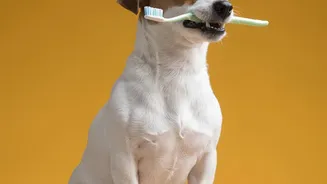
Preventing dental disease starts at home. The single most effective action you can take is regular tooth brushing. It’s best to start when your pet is young to get them accustomed to the process. Always use a toothpaste specifically formulated for pets, as human toothpaste can contain harmful ingredients. Many pet-friendly toothpastes come in appealing flavours like poultry or beef. If brushing isn't feasible, there are other helpful options. Dental wipes can effectively remove soft plaque. Specially formulated dental diets, treats, and chews are also designed to help reduce plaque and tartar buildup through their texture and ingredients. Oral rinses and water additives can also help reduce the bacteria in your pet’s mouth.
The Role of Professional Cleanings
While at-home care is essential, it cannot replace professional veterinary dental cleanings. This is because only a professional cleaning can safely and effectively remove tartar from above and, most importantly, below the gumline where the real damage occurs. A comprehensive dental procedure is performed under general anesthesia, which keeps the pet safe and pain-free. This allows the veterinary team to perform a thorough oral exam, take dental X-rays to uncover hidden problems like root infections or bone loss, and meticulously scale and polish each tooth. Polishing smooths the tooth surface, making it harder for plaque to stick in the future. Depending on your pet's needs, these cleanings are typically recommended every 6 to 12 months to maintain oral health and prevent disease progression.