

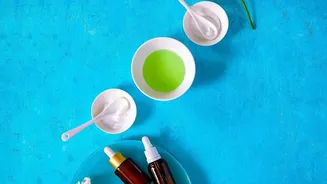
An Ancient Tradition's Modern Revival
The use of rice water as a beauty treatment is not a new phenomenon. Its history stretches back centuries in Asia, with some of the earliest known uses dating to the Heian period in Japan (794 to 1185 CE), where court ladies used it for their floor-length
hair. Perhaps the most famous proponents are the Yao women from the village of Huangluo in China, who are renowned for their incredibly long, strong hair, which they traditionally wash in fermented rice water. This practice, they claim, helps their hair maintain its strength and color well into their 80s. Today, this age-old secret has been resurrected by social media, where its simplicity and affordability have made it a top choice for those seeking natural beauty solutions.
The Science of Fermentation
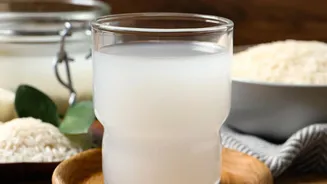
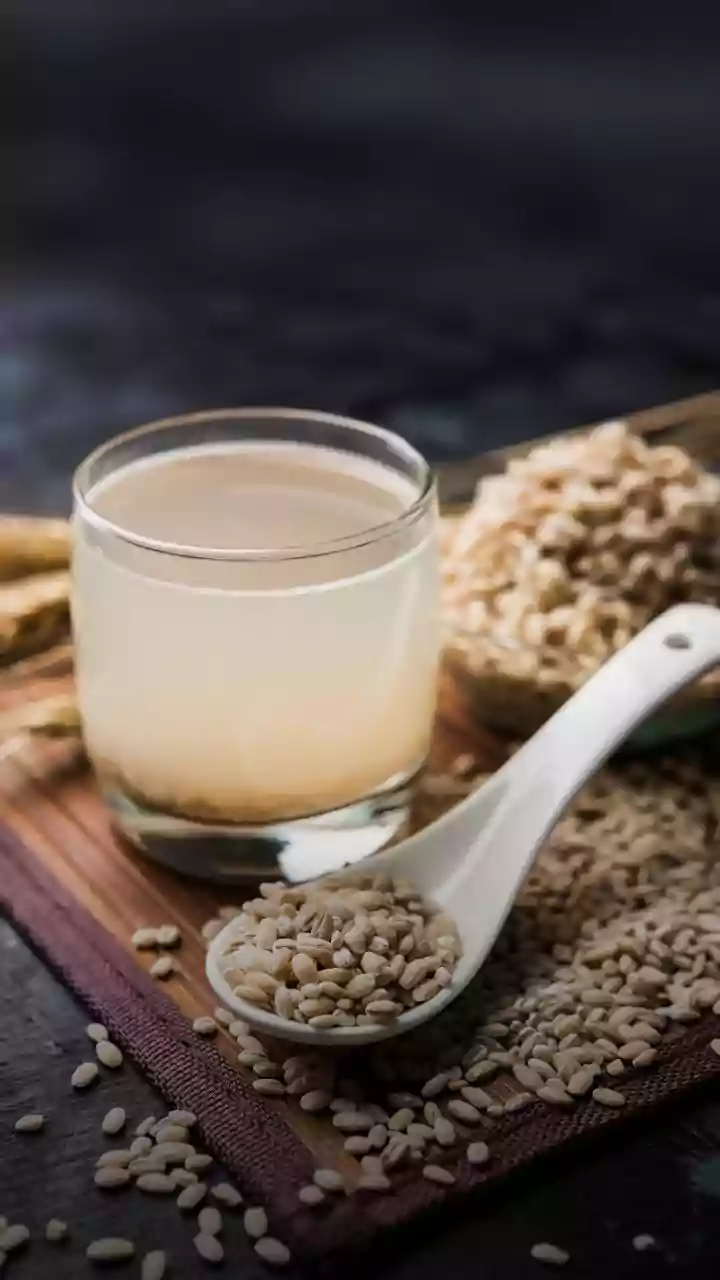
So, what makes fermented rice water different from the plain, starchy water you might pour down the drain? The fermentation process is key. When rice water is left to sit for a day or two, microorganisms break down the starches and proteins. This process lowers the water's pH to be closer to the natural pH of hair and skin, which can help smooth the hair's outer layer, or cuticle, making it appear shinier. Fermentation also increases the concentration of beneficial compounds like amino acids, vitamins B and E, and antioxidants. One notable substance is inositol, a carbohydrate that studies suggest can penetrate and remain within the hair shaft, helping to repair damage and increase elasticity.
The Claims vs. The Evidence
Advocates for fermented rice water credit it with a long list of benefits. For hair, they claim it detangles, adds shine, strengthens strands, and even promotes faster growth. For skin, it’s said to soothe irritation, improve sun damage, and create a brighter, more even complexion. While there is growing anecdotal evidence, scientific backing for many of these claims is limited. Research does support that rice water can reduce hair friction and improve elasticity, which helps prevent breakage and maintain length. However, no robust clinical studies prove that it directly stimulates hair growth from the root. For skin, some studies show fermented rice water (or rice wine) can boost collagen and has antioxidant properties that may help with signs of aging.
A Dermatologist's Perspective and Potential Risks
While generally considered low-risk, dermatologists advise caution, especially with homemade preparations. Uncontrolled fermentation of DIY rice water can lead to the growth of harmful bacteria or fungi, which can cause skin infections, folliculitis, or acne flare-ups. The acidity of fermented rice water, if not properly diluted, can also disrupt the skin's natural barrier or cause protein overload in hair, leading to stiffness and brittleness. Overuse can also lead to dryness or irritation. People with sensitive skin, eczema, or acne-prone skin should be particularly careful and perform a patch test before applying it widely. Commercially formulated products often offer a more stable and safer alternative to DIY concoctions.
How to Make and Use It Safely
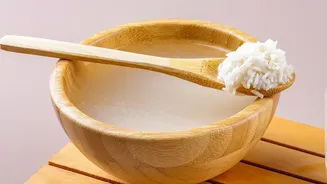
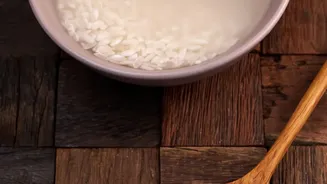
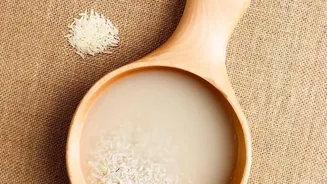
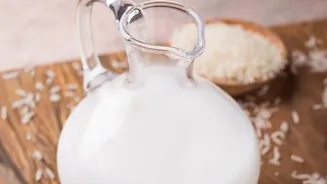
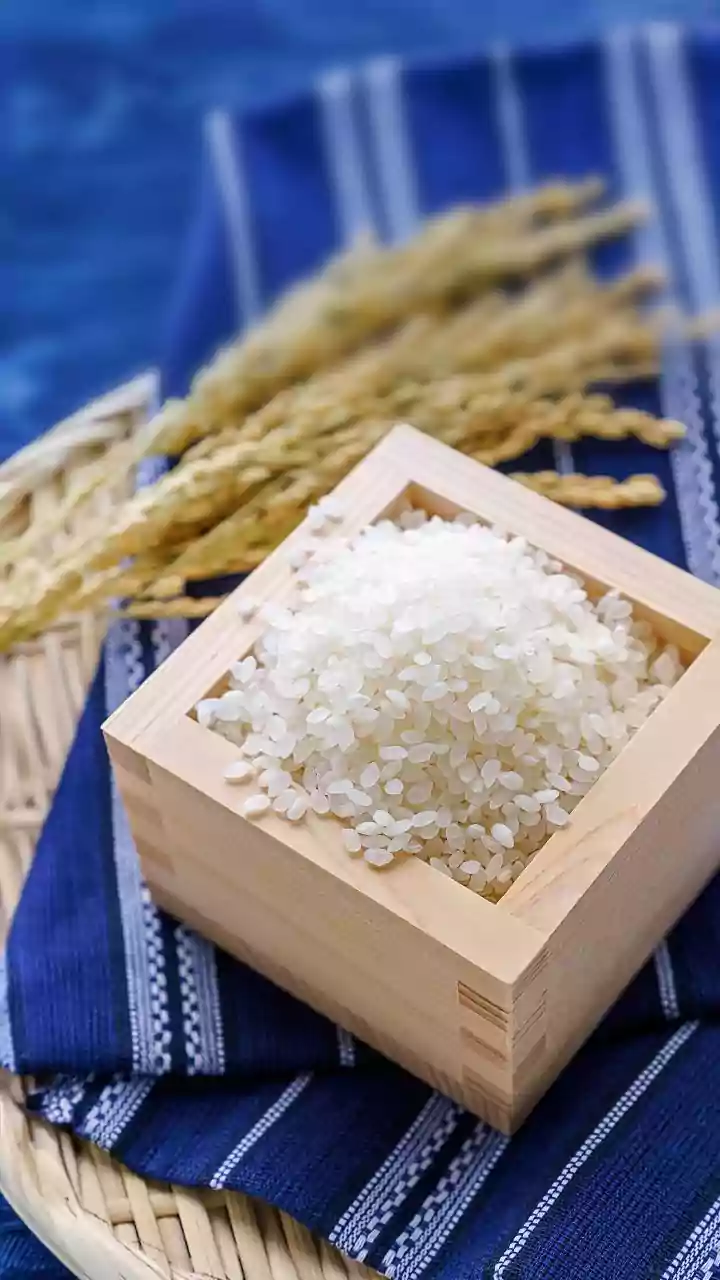
If you decide to try it, the process is simple. Start by rinsing half a cup of rice to remove impurities. Then, soak the rice in about two cups of water for at least 30 minutes. Strain the water into a clean jar and leave it covered at room temperature for 24 to 48 hours. Once it develops a slightly sour smell, the fermentation is complete. For hair, it's best used as a rinse after shampooing. Apply it from roots to ends, leave it on for 10-20 minutes, then rinse thoroughly and follow with a conditioner. For skin, it can be applied with a cotton pad as a toner. Always store your fermented rice water in the refrigerator and discard it after a week. To minimize risks, consider diluting the fermented water before use, especially during your first few applications.