







The False Comfort of a Screenshot
In a digital-first world, capturing a quick screenshot of an investment gain, a dividend credit, or an online transaction feels like diligent record-keeping. It's fast, easy, and creates a visual library of your financial year. Many taxpayers collect
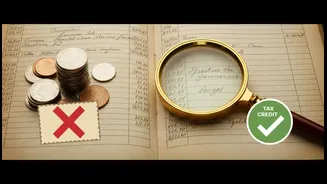
these images from banking apps, brokerage platforms, and payment wallets, assuming they are sufficient proof for their Income Tax Return (ITR). However, this method is a house of cards. Screenshots are informal, often incomplete, and lack the official details required by the Income Tax Department. They might capture a single transaction but miss the consolidated, annual data that is essential for accurate reporting.
The High Cost of Inaccurate Filing
Using unofficial data like screenshots can lead to significant mismatches between the income you declare and the information the tax department already has. Furnishing inaccurate details can result in your return being marked as 'defective'. More severe consequences include penalties for underreporting or misreporting income. Underreporting can attract a penalty of 50% of the tax payable on that income, while misreporting can lead to a staggering 200% penalty. These errors increase your chances of receiving a tax notice and facing scrutiny, turning a simple filing process into a prolonged and stressful ordeal.
Meet the Official Sources: AIS and Form 26AS
Instead of relying on screenshots, taxpayers should turn to the official documents provided by the Income Tax Department. The two most crucial documents are Form 26AS and the Annual Information Statement (AIS). Form 26AS is a consolidated tax statement that details the tax deducted at source (TDS), tax collected at source (TCS), and advance tax paid. The AIS is even more comprehensive, providing a detailed view of your financial transactions throughout the year, including interest, dividends, securities and mutual fund transactions, and foreign remittances. These documents are what the tax department uses to verify your return, making them the ultimate source of truth for your filing.
Your Essential Document Checklist
To ensure a smooth and accurate ITR filing, systematically gather official documents, not just screenshots. For salaried individuals, this starts with Form 16 and monthly salary slips. Beyond salary, collect interest certificates from all your banks for savings accounts and fixed deposits. If you have invested in stocks or mutual funds, you will need capital gains statements from your broker or fund house. Always download and cross-verify the data in your Form 26AS and AIS from the official income tax portal before you begin filing. Other key documents include rent receipts for HRA claims, and proofs for deductions claimed under sections like 80C and 80D.
Beyond Filing: The Importance of Record-Keeping
Your responsibility doesn't end once you've filed your return. The Income Tax Act requires you to maintain records of your financial documents for a specified period. Generally, tax records should be kept for at least six to eight years from the end of the relevant assessment year. This is because the tax department can reopen assessments and issue notices within this timeframe. For cases involving foreign income or assets, the retention period can extend up to 16 years. Having organised, official documents readily available is your best defence in case of any future scrutiny or inquiry from the tax authorities. Proper records make it easier to respond to notices and prove the accuracy of your filed return.