




What Exactly Is Blush Blindness?
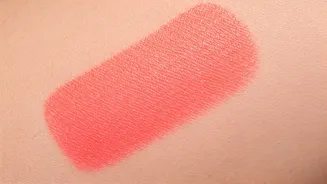
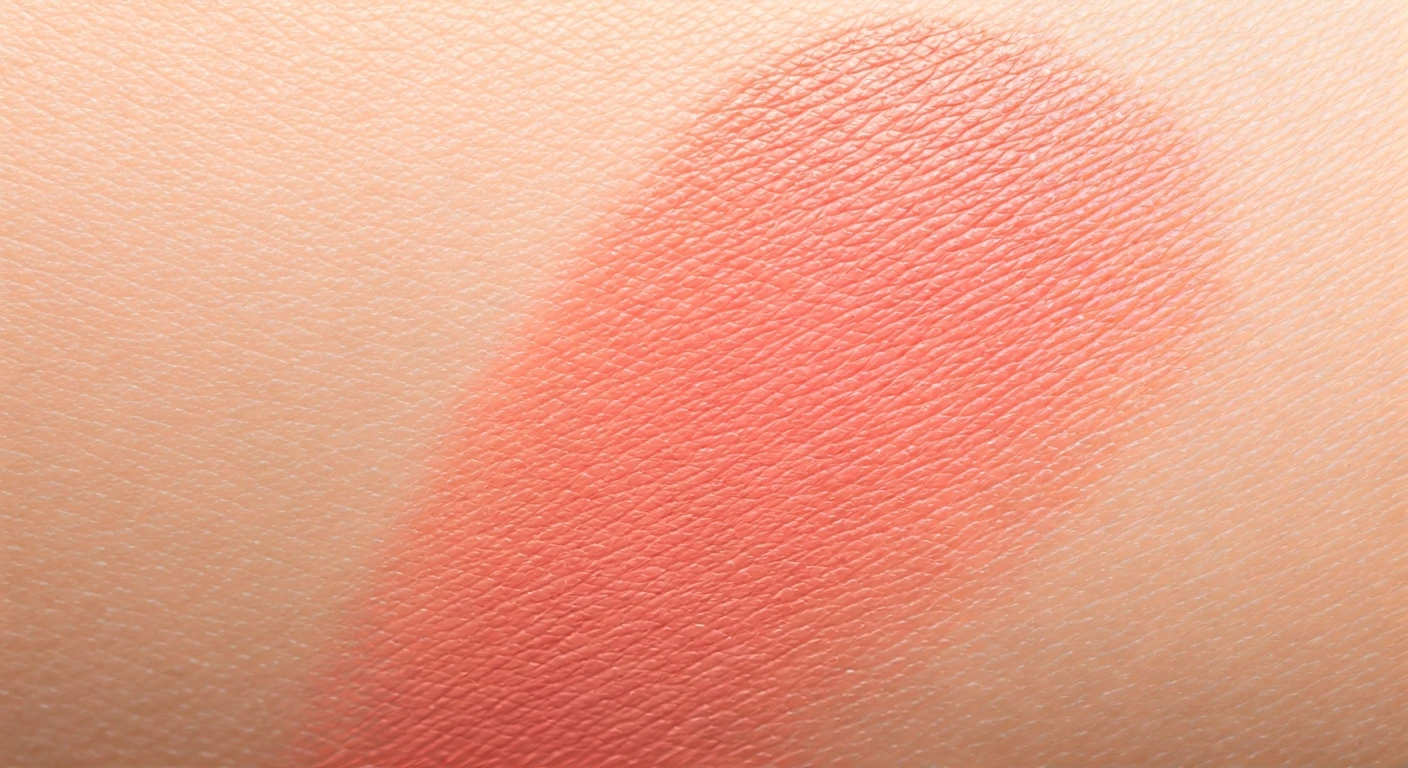
Blush blindness isn't a medical condition, but rather a beauty phenomenon that has become a trending topic. It describes the process of becoming desensitized to the amount of blush you're applying. You start with a light sweep, add a little more for good
measure, and then a bit more, until you've layered on far more product than you realize. Your eyes have adjusted to the color, making it seem normal, but to others (and to your camera), the effect is much more intense. It’s similar to how you can become “nose blind” to a perfume you wear every day. This concept isn't new in the beauty world; many remember the days of “eyebrow blindness” during the thick, overdrawn brow era.
Why Does It Happen?
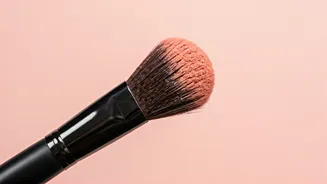
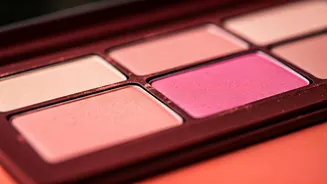
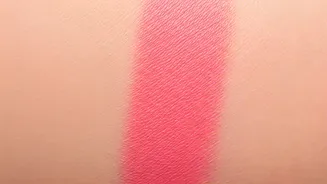
Several factors contribute to this common makeup misstep. One of the biggest culprits is poor lighting. Applying makeup in a dimly lit or yellow-toned bathroom can seriously distort how color appears on your skin, often causing you to overcompensate. Another reason is sensory adaptation; your brain simply gets used to the repeated application of color and stops registering its intensity. Using the wrong tools, like a brush that's too dense and deposits too much pigment at once, can also lead to an accidental clown-cheek situation. Sometimes, it’s also about the blush formula itself. Highly pigmented powders can be tricky to work with if you’re not careful.
The Art of Prevention: How to Avoid Over-Blushing
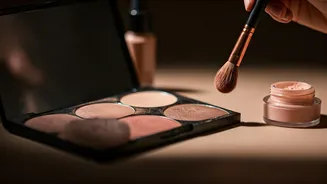
The key to preventing blush blindness is a combination of technique and the right environment. First, always try to apply your makeup in natural daylight. This gives you the most accurate impression of how the colors look. Second, start with a light hand. It’s always easier to add more product than to take it away. A useful trick is to tap any excess powder off your brush before it touches your face. Consider the formula you're using. Cream and liquid blushes are often more buildable and forgiving than some intense powders. A pro tip is to apply cream blush to the back of your hand first, then pick it up with a brush or sponge. This gives you much more control over the amount of product you apply to your cheeks.
Correct Placement Is Everything
Where you apply blush can make a huge difference. The old advice to smile and apply blush to the apples of your cheeks doesn't work for everyone. For many face shapes, when you stop smiling, the placement can drag your face down. A more modern, lifting technique is to keep your face relaxed and apply the blush along the high points of your cheekbones, blending upwards towards your temples. This draws the eye upward and creates a more sculpted, natural-looking flush. Experiment with what works for your unique face shape to find the most flattering placement.
Emergency Fixes: What to Do When You've Gone Too Far
Even with the best intentions, we all get a little heavy-handed sometimes. Don't panic and reach for the makeup wipes, which can ruin your foundation. If you've used a powder blush, the easiest fix is to take a clean, fluffy brush and gently blend over the area to diffuse the color. Another popular method is to use a bit of translucent setting powder on a sponge or puff and lightly press it over the blush to tone it down. If you used a cream or liquid blush, a damp beauty sponge can be gently bounced over the area to lift some of the excess pigment. You can also pat a tiny amount of your liquid foundation or concealer over top to mute the color.