


The Magic of the Autumn Sky
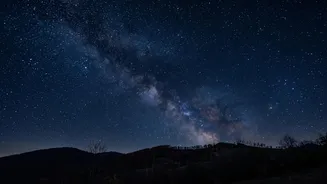
So what makes autumn so special for looking up at the stars? It comes down to a few key factors. The air is typically drier and less humid than in the summer, which means less atmospheric haze to obscure your view. This results in stars that appear sharper
and more brilliant. Plus, the nights get longer, giving you more time to explore the cosmos. With the sun setting earlier, you don't have to stay up late to enjoy a truly dark sky, making it a perfect activity for families and early risers alike. It’s a comfortable season for stargazing, a perfect compromise before the deep cold of winter sets in.
Easy-to-Spot Autumn Constellations
The autumn sky is home to some of the most recognisable constellations, perfect for beginner stargazers. Look for the distinctive 'W' shape of Cassiopeia high in the northeast. This constellation is visible all year in the Northern Hemisphere but climbs highest in the sky during the autumn months. Another prominent pattern is the Great Square of Pegasus, a large box shape formed by four bright stars. This celestial landmark is a fantastic starting point for navigating the autumn sky and can be used to find other cosmic treasures.
See a Galaxy with Your Own Eyes
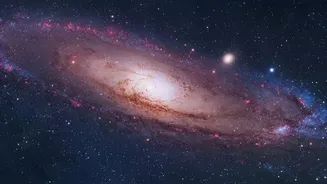
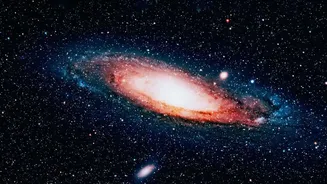
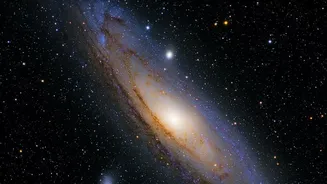
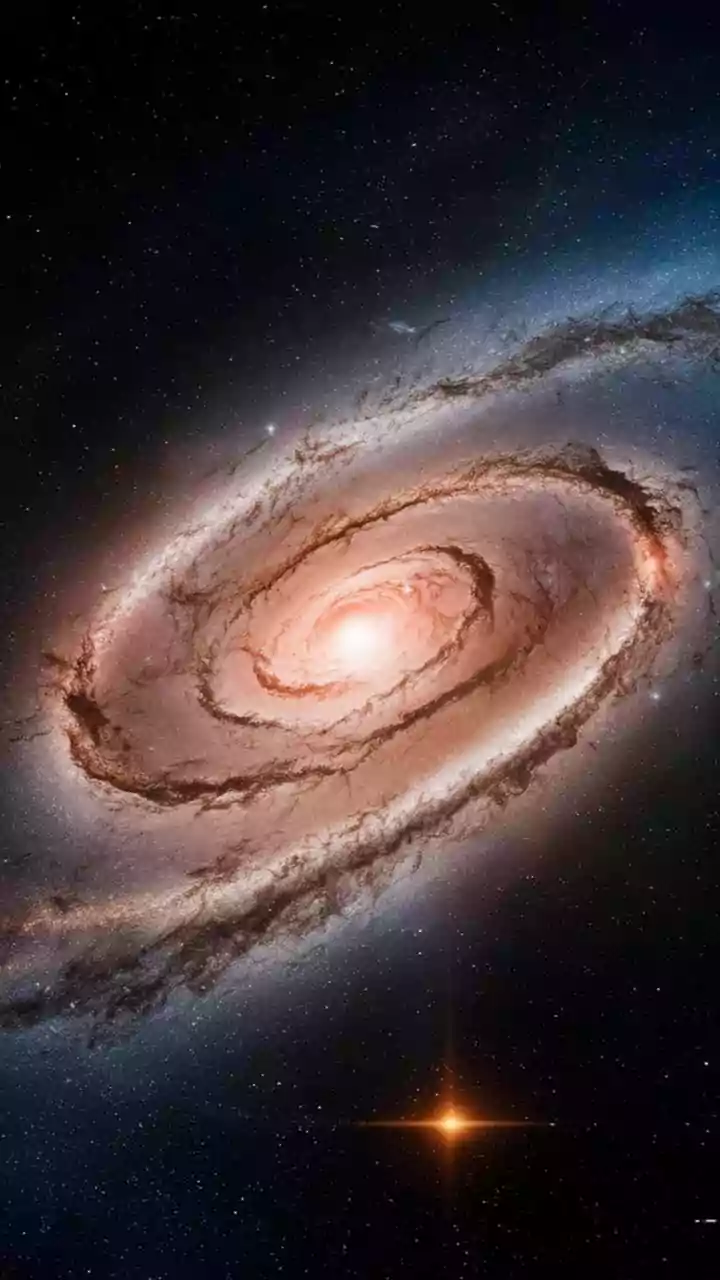
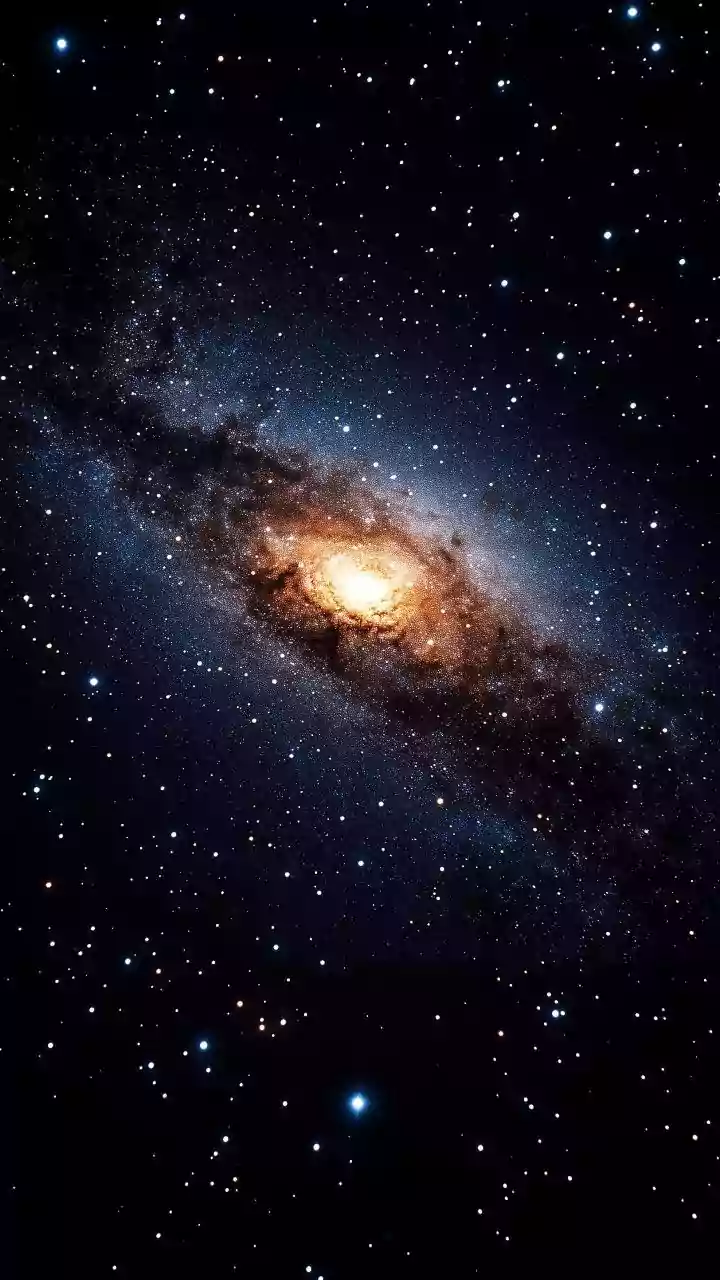
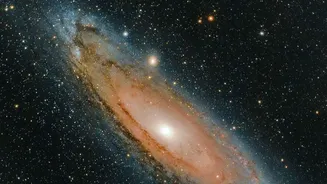
One of the most mind-blowing sights of the autumn sky is the Andromeda Galaxy, and yes, you can see it without a telescope. Located 2.5 million light-years away, it's the most distant object visible to the naked human eye. On a clear, moonless night away from city lights, it appears as a faint, fuzzy smudge of light. To find it, you can use the 'V' shape on the right side of Cassiopeia, which acts as an arrow pointing directly to the galaxy. Even a simple pair of binoculars will enhance the view, revealing the galaxy's brighter central core. Witnessing an entire galaxy with your own eyes is an unforgettable experience.
Catch a Falling Star: Autumn Meteor Showers
Autumn is a prime season for meteor showers. The Orionids, which are particles left behind by Halley's Comet, peak around October 21-22, 2026. They are known for producing bright, fast meteors. For the best chance of seeing them, look for them in the hours before dawn. Later in the season, the Leonid meteor shower peaks around November 17-18. While not as prolific as other showers, it can still offer a steady stream of about 10-15 meteors per hour in a dark sky. For any meteor shower, the best equipment is simply your eyes, a comfortable chair, and a bit of patience.
Planets on Parade
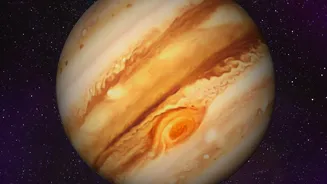
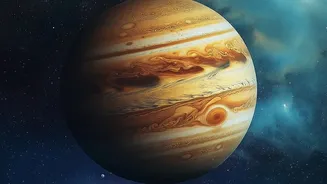
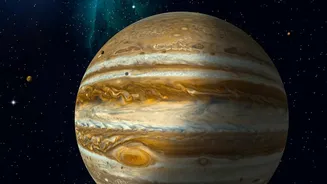
A few of our solar system neighbours also make brilliant appearances. In autumn 2026, Saturn will be at opposition on October 4, meaning it will be at its biggest and brightest for the year and visible all night. While you’ll need binoculars or a small telescope to see its famous rings, the planet itself will be a bright, steady point of light visible to the naked eye. Throughout the season, Jupiter and Mars will also be visible, particularly in the pre-dawn sky. There are even several notable conjunctions and occultations where the Moon will pass near these planets, creating beautiful groupings in the night sky.
Simple Tips for a Great Night Out
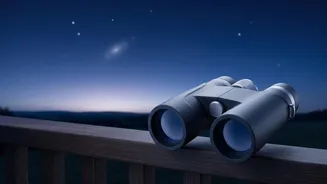
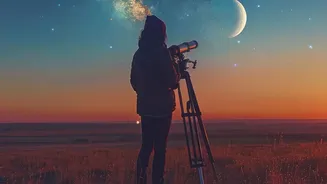
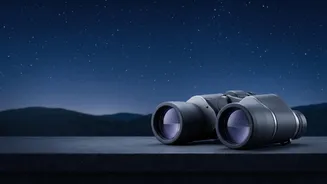
You don’t need much to have a rewarding stargazing session. First, find a location away from bright city lights to let your eyes fully adapt to the darkness, which takes about 20-30 minutes. Dress in warm layers, as autumn nights can get chilly. While a telescope isn't necessary, a pair of binoculars can dramatically enhance your view of star clusters like the Pleiades and the Andromeda Galaxy. Most importantly, bring a sense of wonder. The simple act of looking up connects us to the vastness of the universe in a way that few other experiences can.