







From Pet to 'Fur Baby'
The single biggest driver behind this dietary shift is the powerful trend of 'pet humanization'. Across urban India, especially among Millennial and Gen Z owners, pets are no longer just animals; they are cherished family members. A significant number
of Indian pet parents, around 57%, consider their pets as part of the family, with some viewing them as their own children. This emotional shift means that decisions about a pet's health and nutrition are now made with the same care and attention as for any other person in the household. As disposable incomes rise and family structures change, this desire to provide the best for their 'fur babies' is fundamentally reshaping the pet care market.
Questioning the Kibble Quo
For decades, dry kibble has been the default choice for pet owners due to its convenience and long shelf life. However, a growing number of discerning pet parents are now scrutinizing ingredient labels and questioning what goes into these highly processed pellets. Concerns are rising about the use of preservatives, fillers, and reconstituted 'meat meals' in mass-market dry food. Furthermore, kibble's extremely low moisture content, typically around 10%, is seen as a drawback in India's hot climate, where proper hydration is crucial. This has opened the door for alternatives that promise more transparency and whole-food ingredients.
The Rise of Fresh Food Startups
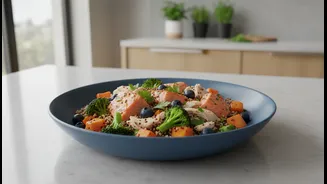
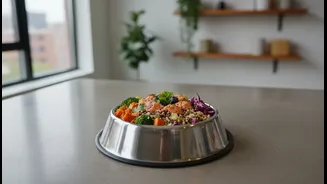
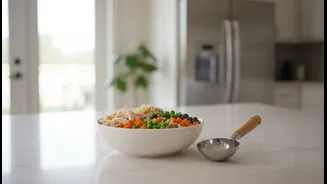
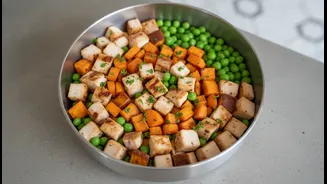
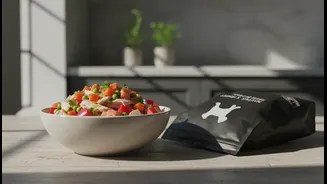
Tapping into this demand is a growing ecosystem of Indian startups. These direct-to-consumer (D2C) brands are disrupting the market, which has long been dominated by large multinational corporations. Offering subscription-based models, these companies deliver pre-portioned, gently cooked meals made with human-grade ingredients directly to customers' doorsteps. This model not only offers convenience but also fosters a sense of trust and transparency that modern consumers crave. By leveraging e-commerce and digital marketing, these brands are effectively reaching health-conscious pet owners in major urban centers like Delhi, Mumbai, and Bengaluru.
Customization Is King
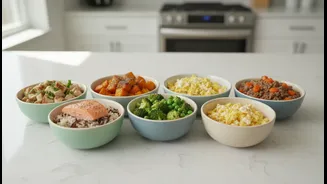
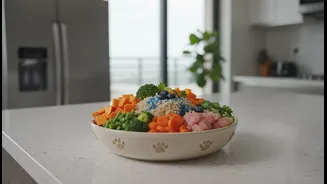
Beyond just being fresh, the new wave of dog food is highly personalized. Many services require owners to input their dog's breed, age, weight, activity level, and any health issues or allergies. Using this data, they create tailored meal plans designed to meet the specific nutritional needs of each individual dog. This level of customization resonates strongly with pet parents who are already accustomed to personalized products and services in their own lives. It moves away from the 'one-size-fits-all' approach of traditional kibble and towards a proactive, wellness-focused feeding strategy.
The Promise of Better Health
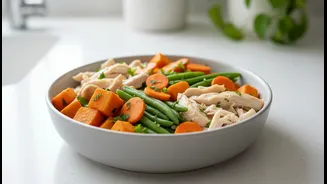
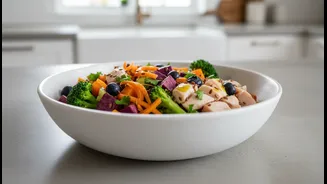
The appeal of fresh food is heavily tied to perceived health benefits. Proponents claim that a diet of minimally processed, whole ingredients can lead to a host of improvements, including better digestion, healthier skin, a shinier coat, and increased energy levels. Fresh food's high moisture content (often 75% or more) passively aids hydration, a significant plus for Indian dogs. Its higher digestibility often results in better nutrient absorption and improved stool quality. For dogs with sensitive stomachs or specific food allergies, the simple, transparent ingredient lists of fresh meals can be a game-changer.
Challenges and the Road Ahead
Despite its rapid growth, the fresh food segment is not without its challenges. The primary hurdles are cost and logistics. Fresh food is significantly more expensive than kibble and requires refrigeration or freezer space, which can be a constraint in some households. For now, it remains a largely urban phenomenon, concentrated in metros where the infrastructure and consumer willingness to pay exist. While traditional dry food still dominates the market by a large margin, the premium and fresh categories are growing at a much faster pace, signalling a lasting shift in how urban Indians are choosing to feed their pets.