


The Humidity and Oil Connection
The single biggest reason your skin changes during the monsoon is humidity. When the air is saturated with moisture, sweat doesn't evaporate as quickly from your skin's surface. This dampness, combined with heat, signals your sebaceous glands to produce
more oil, or sebum. This excess oil then mixes with sweat, dirt, and pollutants, creating a greasy film that can leave your skin feeling heavy and looking shiny. This is why even people with normal skin may find themselves battling an oily T-zone during the rainy season.
Clogged Pores and Surprise Breakouts
An increase in oil and sweat is the perfect recipe for clogged pores. When pores become blocked with this mixture of sebum, dead skin cells, and environmental grime, it creates an ideal environment for bacteria to grow. This leads to one of the most common monsoon skin complaints: acne. You might notice more blackheads, whiteheads, and painful pimples appearing on your face, chest, and back. The humid climate is a breeding ground for bacteria, making breakouts more frequent and sometimes more inflamed than usual.
The Oily but Dehydrated Puzzle
One of the most confusing monsoon skin phenomena is when skin feels oily on the surface but tight and dehydrated underneath. This often happens because of constant switching between humid outdoor air and dry, air-conditioned indoors. The AC strips moisture from your skin, and when you step back outside, your skin may overcompensate by producing even more oil. Furthermore, in an attempt to combat the greasiness, many people make the mistake of overwashing their face with harsh cleansers. This strips the skin’s natural protective barrier, leading to a loss of hydration and a compromised, irritated state.
Increased Risk of Infections
The warm, damp conditions of the monsoon are not just ideal for bacteria but also for fungi. Fungal infections like ringworm and athlete's foot become much more common. These often appear as red, itchy, and scaly patches in areas where moisture gets trapped, such as the skin folds, underarms, and feet. Constant dampness from wet clothes or shoes can weaken the skin's barrier, making it more susceptible to these infections as well as other issues like contact dermatitis from synthetic rain gear.
Adjust Your Cleansing Routine
While it’s tempting to wash your face multiple times a day, overwashing can backfire. Stick to cleansing twice daily with a gentle, soap-free cleanser. Look for products with ingredients like salicylic acid, which helps to gently exfoliate and keep pores clear without stripping the skin of its essential oils. If you get caught in the rain, try to take a shower as soon as possible to wash away pollutants that rainwater can carry.
Switch to Lightweight Products
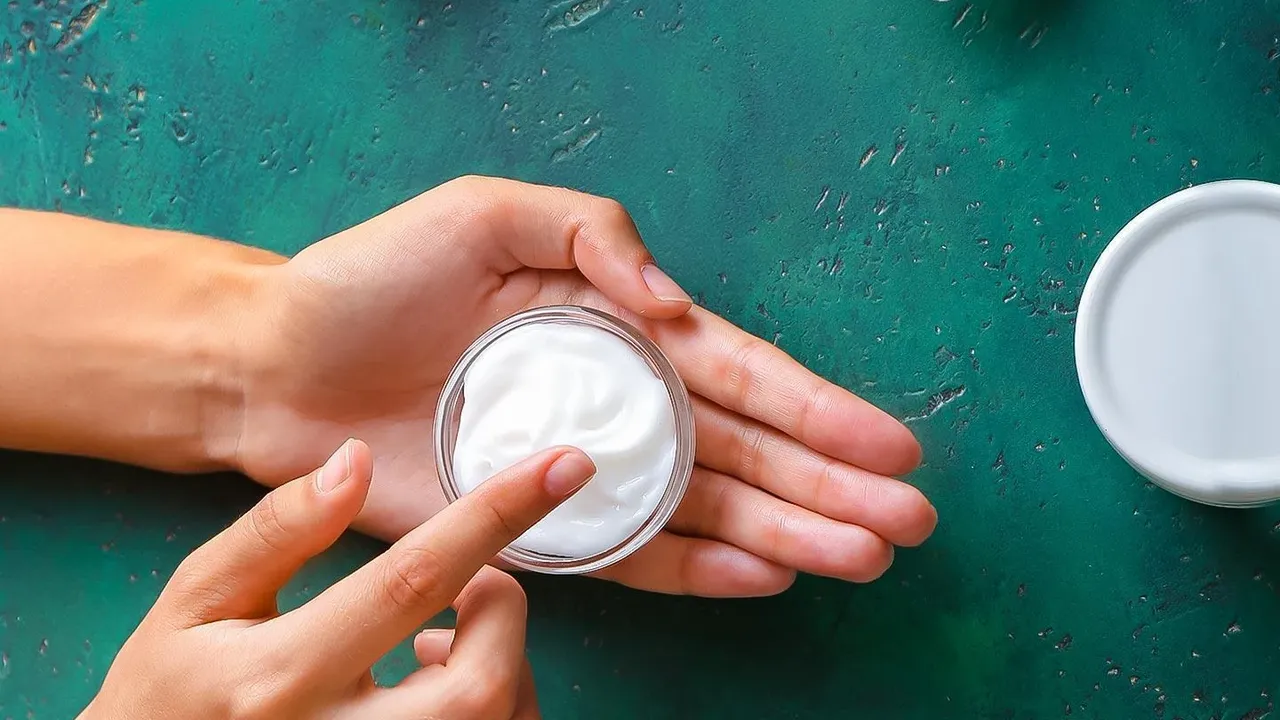
Heavy creams and thick moisturisers that worked in winter can feel suffocating in humid weather and clog pores. This is the season to switch to lighter, water-based or gel-based formulas. A lightweight, non-comedogenic moisturiser is crucial for all skin types, even oily ones. Hydrating the skin properly can actually help balance oil production, as it prevents the skin from overcompensating for dehydration.
Don't Skip Sunscreen or Exfoliation
Don't be fooled by the cloudy skies; harmful UV rays can still penetrate and damage your skin, which can worsen dark spots left by acne. Always wear a broad-spectrum sunscreen, preferably a lightweight or gel-based formula that won't feel greasy. Regular, gentle exfoliation is also key. Exfoliating once or twice a week with a chemical exfoliant (like AHA or BHA) helps to slough off dead skin cells and prevent pore congestion without being too abrasive.