








The Unseen Stressor: Why Sound Matters
We often think of noise as an obvious disturbance, like a nearby construction site or a blaring horn. But the more pervasive issue is the constant, low-level sound that fills our daily lives. From the neighbour's television and traffic hum to the echo
in your own workspace, this background noise has a measurable impact on our health. Studies show that persistent noise exposure elevates stress hormones like cortisol, which can lead to anxiety, irritability, and even long-term cardiovascular issues. It disrupts sleep, hinders concentration, and reduces cognitive performance, making it harder to complete tasks efficiently in a work-from-home setting. In short, what we hear—or don't hear—directly shapes our ability to relax, focus, and be productive.
Soften Your Space to Absorb Sound
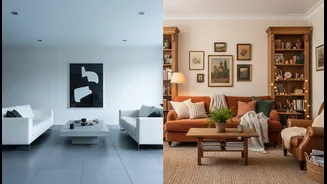
One of the simplest and most effective ways to improve your home's acoustics is to add soft materials. Hard surfaces like tile floors, bare walls, and large windows reflect sound waves, creating echo and making a room feel loud and harsh. By introducing absorptive surfaces, you can deaden these reflections. Think of adding thick rugs or carpets, especially with a quality pad underneath. Hanging heavy, plush curtains over windows can do double duty by blocking outside noise and absorbing indoor echoes. Even decorative items like throw blankets on a sofa, upholstered furniture, and fabric wall hangings can make a significant difference in soaking up unwanted sound. The goal is to create layers of softness that prevent sound from bouncing around freely.
Use Furniture as a Sound Barrier
Strategic furniture placement is a free and surprisingly effective tool for sound management. Large, dense objects are excellent at blocking and diffusing sound waves. If you have a noisy shared wall with a neighbour, try placing a large, full bookshelf against it. The mass of the books and the shelf itself creates a barrier that can dampen the noise coming through. Similarly, a large fabric sofa or a heavy wooden armoire can be positioned to break up sound pathways. In an open-plan living area, you can use room dividers—whether a folding screen or a dedicated acoustic curtain—to create quieter zones for work or relaxation. By thinking of your furniture as part of your acoustic toolkit, you can reshape your sound environment without spending a rupee.
Seal the Gaps to Block Intrusive Noise
Much of the noise that enters our homes comes through small, unseen gaps around doors and windows. A tiny opening can let in a disproportionate amount of sound. One of the most affordable and impactful DIY projects is to seal these leaks. Apply self-adhesive weatherstripping tape around the frame of your main door and any doors to noisy areas. For the gap at the bottom of the door, a simple door sweep or a draft stopper can work wonders. If you're dealing with significant traffic noise, check your window seals. Applying acoustic caulk around the edges can close off small cracks where sound creeps in. These small fixes are crucial for creating a seal that keeps unwanted external noise out.
Consider Dedicated Acoustic Treatments
If basic adjustments aren't enough, especially in a home office where call clarity is important, you can explore dedicated acoustic products. Fabric-wrapped acoustic panels are designed specifically to absorb sound and reduce echo, and they come in various colours and sizes to match your decor. You can even find panels that look like artwork. Placing a few of these on the walls of your workspace can dramatically improve sound quality. For those in shared offices or co-living spaces, even a small acoustic desk divider can create a personal bubble of quiet. While these solutions have a cost, they represent a direct investment in a more focused and less stressful work environment.
Communicate in Shared Living Spaces
In a shared home, technology and design can only go so far. The final, and perhaps most important, element of acoustic comfort is communication and mutual respect. Establish clear expectations with flatmates or family about noise. This could involve setting designated quiet hours, especially during work or sleep times. Be mindful of your own noise, whether it's using headphones for music, avoiding loud phone calls in common areas, or being conscious of kitchen noise late at night. If a noise issue arises, address it respectfully and collaboratively. Often, a simple conversation is all it takes to find a compromise that allows everyone to live and work together more peacefully.