



An Adventure Called Canyoning
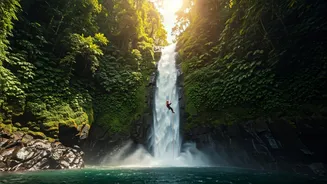
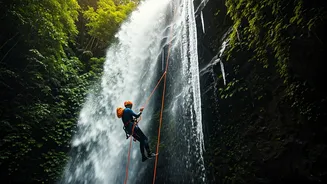
Waterfall rappelling, also known as canyoning or cascading, is an adventure sport that involves descending a waterfall using ropes and harnesses. Unlike traditional rock climbing or rappelling on a dry cliff face, this activity pits you directly against
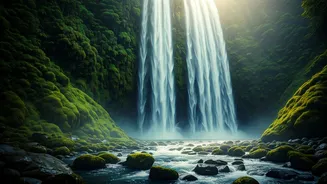
the force of nature. Water thunders down around you, mist fills the air, and every surface is slick. It sounds intimidating, and it is. But it’s also one of the most exhilarating and empowering experiences you can have in the great outdoors. It’s a full-body workout and a mental challenge rolled into one, practiced in some of the most beautiful, inaccessible places on earth.
More Than a Physical Challenge
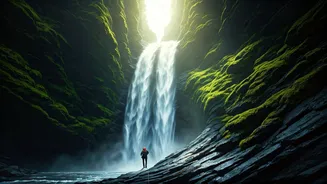
The true test of waterfall rappelling isn’t just physical strength; it’s mental fortitude. Standing at the edge, looking down the watery abyss, your brain screams at you to step back. Every instinct tells you this is a bad idea. This is the first fear you have to face. The act of leaning back, trusting your weight to a rope and a metal device, is a profound leap of faith. You are trusting the equipment, your instructor, and ultimately, yourself. As you begin your descent, the external noise of the waterfall is replaced by an intense internal focus. There is only you, the rope, and your next move. The trivial anxieties of daily life vanish, replaced by the primal, singular task of navigating the moment.
What the Descent Feels Like
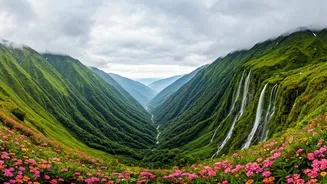
The descent is a sensory explosion. The water isn't just a backdrop; it's an active participant in your journey. It can be a gentle spray or a powerful torrent pushing against you, making every step deliberate. You feel the cool, rough texture of the rock beneath your feet and the firm tension of the rope in your hands. You’ll use your legs to brace against the rock face, walking backwards down the waterfall in a controlled slide. The world unfolds from a unique perspective, with rainbows forming in the mist and the green canopy of the forest framing your view. The sound is a constant, powerful hum that vibrates through your entire body. It’s a raw, unfiltered connection with nature that few activities can offer.
Safety is Non-Negotiable
An activity this extreme requires an uncompromising approach to safety. This is not something you try on your own. Reputable adventure companies are essential. A professional setup will provide high-quality, certified equipment, including harnesses, helmets, gloves, and carabiners. More importantly, they provide trained and experienced instructors. These guides will not only teach you the proper technique but will also manage the ropes (a system called 'belaying') to ensure your descent is controlled and safe. They assess the weather and water flow, know the route intimately, and are prepared for any contingency. Your job is simple but critical: listen to every instruction, ask questions if you're unsure, and never compromise on the safety briefing.
Finding Your First Waterfall
India, with its diverse geography, offers incredible opportunities for waterfall rappelling. The Western Ghats in Maharashtra and Goa become a hotspot during the monsoon season, with numerous tour operators offering experiences for all skill levels around places like Lonavala, Kolad, and Dudhsagar. In the north, the Himalayan foothills in states like Himachal Pradesh and Uttarakhand provide stunning, albeit more challenging, locations. The key is to research and choose a certified operator with a strong safety record and positive reviews. A quick online search for 'waterfall rappelling near me' or in a specific region will yield plenty of options. Look for companies that are transparent about their safety procedures and guide qualifications.