

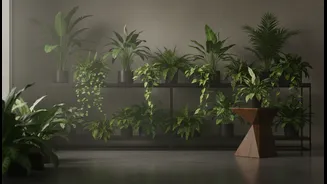


The Joy of Growing Indoors
Starting a garden indoors is more than just a hobby; it’s a way to enhance your daily life. For apartment dwellers, it offers a unique connection to nature that can otherwise feel distant. Indoor plants are known to improve air quality by filtering common
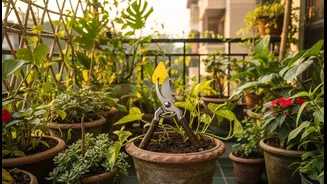
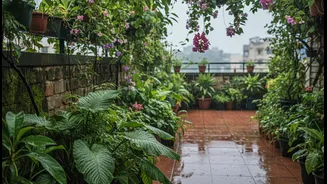
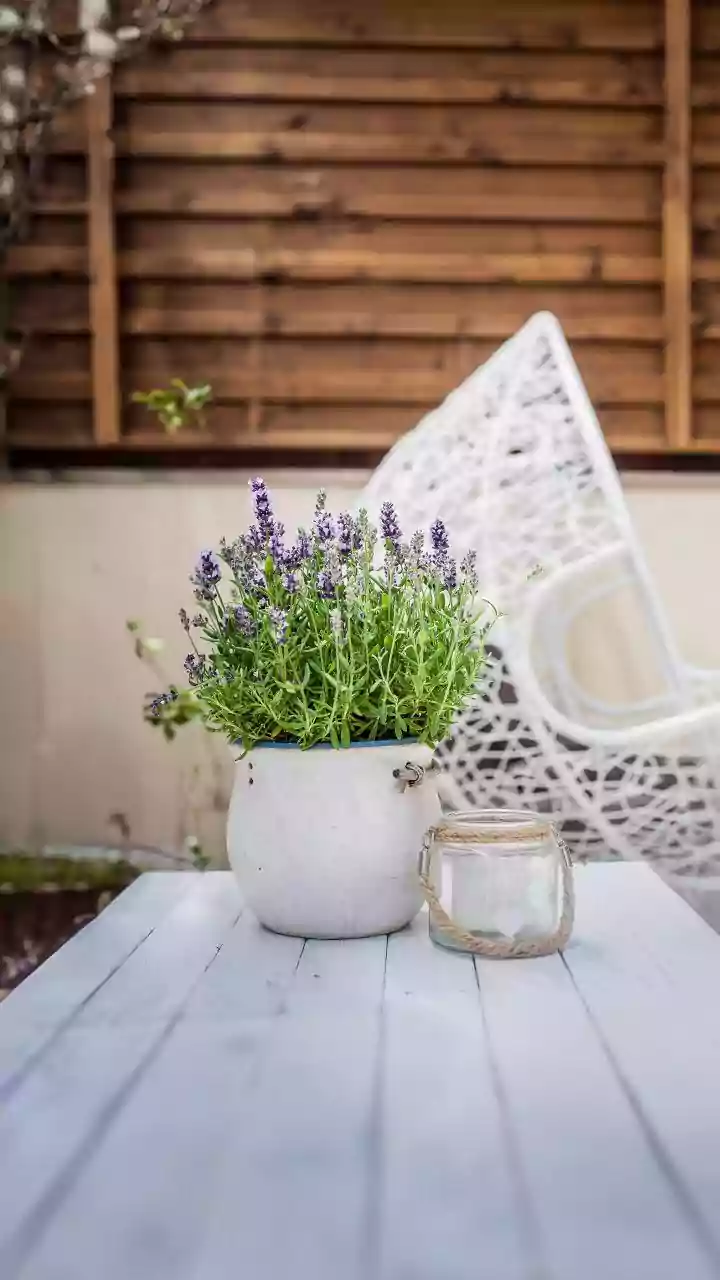
pollutants and releasing oxygen. Beyond the physical benefits, nurturing plants can significantly boost your mental wellbeing by reducing stress and improving focus. An indoor garden also provides access to fresh, homegrown produce year-round, free from pesticides and long transit times. Whether it's herbs for your kitchen or vibrant flowers to brighten a room, cultivating plants indoors gives you complete control over their environment, making it a rewarding experience for beginners and experts alike.
Choosing Your First Plants
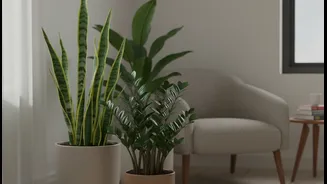
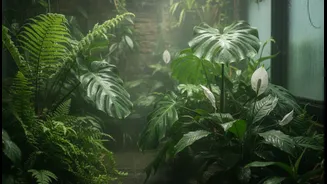
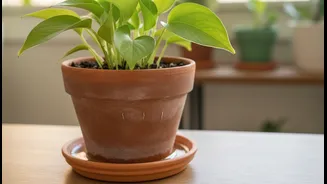
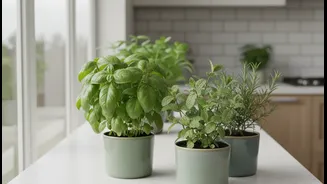
The key to a successful start is choosing plants that are forgiving and well-suited to indoor conditions in India. For beginners, it's best to start with low-maintenance varieties. Money Plant, a favourite in Indian homes, is nearly impossible to kill and thrives in both soil and water. Snake Plants and ZZ Plants are also excellent choices as they tolerate low light and infrequent watering. If you're interested in edibles, herbs like Mint, Basil (Tulsi), and Coriander are perfect for a sunny kitchen windowsill. For a touch of colour, a Peace Lily is a great option that blooms in lower light conditions. Starting with these resilient plants will build your confidence as you learn their rhythms.
Finding the Perfect Spot
Light is the single most important factor for a healthy indoor garden. Before you buy a single plant, take a day to observe how sunlight moves through your home. South and west-facing windows or balconies typically receive the most direct and intense sunlight, making them ideal for sun-loving vegetables and herbs like tomatoes and basil. East-facing windows provide gentle morning light, which many foliage plants appreciate. North-facing windows offer the least light and are best for low-light tolerant species like the Snake Plant or Peace Lily. Don't try to force a plant to live in a spot that doesn't meet its light requirements; match the plant to the light you have. If your apartment lacks natural light, you can always supplement with affordable LED grow lights.
Your Essential Starter Kit
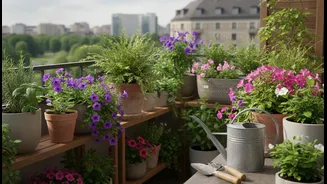
You don’t need a lot of expensive equipment to get started. Focus on a few essential items. First, select containers with drainage holes at the bottom. This is non-negotiable, as it prevents water from pooling and causing root rot, one of the most common killers of indoor plants. Next, use a quality potting mix, not soil from an outdoor garden, which is too dense and can carry pests. A good indoor potting mix is designed to be light, provide aeration, and retain the right amount of moisture. You'll also need a simple watering can; using one with a long spout helps you direct water to the soil without splashing the leaves. That's it. Pots, soil, and a way to water are all you truly need to begin.
Avoiding Beginner Mistakes
Every new gardener makes mistakes, but you can avoid the most common ones. The number one error is improper watering, especially overwatering. Before you water, always check the soil by sticking your finger about an inch deep. If it feels dry, it's time to water; if it's damp, wait another day or two. Another pitfall is overcrowding plants, as they need space for roots to grow and air to circulate. Finally, resist the urge to buy too many plants at once. Start with two or three manageable plants. Learning their needs and watching them thrive will give you the knowledge and confidence to slowly expand your indoor oasis. Gardening is a journey, not a race.