


We’ve all been there: the seatbelt sign is on, and a flight attendant firmly instructs a passenger to stop what they're doing and return to their seat immediately. It might feel like an overly strict rule, but it’s rooted in crucial safety protocols.
The Critical Phases of Flight
Aviation authorities like the Federal Aviation Administration (FAA) define specific 'critical phases of flight'. These include all ground movements like taxiing, as well as takeoff, initial climb, final approach, and landing. During these periods, the risk of an incident, however small, is statistically higher. Federal regulations require passengers to be seated with their seatbelts fastened during these times. This isn't just an airline policy; it's a rule designed to protect everyone on board when the aircraft is most vulnerable to sudden movements, stops, or changes in direction. Cabin crew are legally required to enforce this, which is why they conduct compliance checks before takeoff and landing, ensuring everyone is buckled in.
Turbulence: The Unseen Danger
The most common reason for the 'fasten seatbelt' sign to illuminate mid-flight is turbulence. This is simply irregular air movement that can cause the aircraft to jolt unexpectedly. It can be caused by thunderstorms, jet streams, or even airflow around mountains, and it often occurs without any visual warning in clear skies. While light turbulence might just feel like a bumpy road, moderate to severe turbulence can be dangerous, capable of throwing unbuckled passengers from their seats, leading to serious injury. Data shows that the most effective way to prevent injuries during a turbulence event is for all passengers and crew to be seated and secured. When pilots anticipate turbulence, they switch on the sign, and in more severe cases, will even order flight attendants to take their jumpseats immediately.
The Authority of the Cabin Crew
It’s easy to view flight attendants primarily as service providers, but their main role is safety. They are trained aviation professionals responsible for enforcing FAA regulations. These regulations give them legal authority to direct passengers for the safety of the flight. When they ask you to return to your seat, they are performing a federally mandated duty. Disobeying a crew member's instructions is not just rude; it can be considered a federal offense. In their training, flight attendants learn to be forceful if necessary, shouting 'sit down' if a passenger stands up when the seatbelt sign is on, as a standing person poses a risk to themselves and others.
Why You Can't Linger in the Aisles
Even during smooth parts of the flight, you may be asked to return to your seat rather than queuing for the lavatory. This is also a safety measure. An unexpected jolt can cause a standing passenger to fall, injuring themselves or seated passengers. Furthermore, clear aisles are essential for quick movement in case of an emergency. During critical phases like final approach, having passengers standing can block aisles and slow a potential evacuation. Some crew members adopt the practice of announcing that the plane will be landing shortly, advising passengers that it's their last chance to use the lavatory before the seatbelt sign is turned on for the remainder of the flight.
What You Can Do for a Smoother Flight
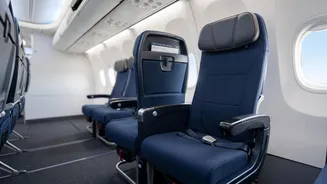
Understanding these rules can make for a less stressful journey. The best practice is to always pay attention to the pre_flight safety briefing and the cabin crew's instructions. Use the lavatory before boarding or well before the top of descent, which is usually announced by the flight crew. The FAA recommends keeping your seatbelt fastened at all times when seated, even if the sign is off. This simple act protects you from sudden, unforeseen turbulence. By cooperating with the crew, you’re not just following rules; you're contributing to a safer environment for everyone on board the aircraft. Thinking ahead and listening to the crew ensures your safety and theirs.