




The Kitchen Chemistry You're Creating
Aluminium is a reactive metal. When it comes into contact with highly acidic or salty foods, a chemical reaction occurs. The acid or salt can break down the protective oxide layer on the foil, causing small amounts of aluminium to dissolve and migrate
into your food. This process is known as leaching. While aluminium foil is a versatile kitchen tool, it’s not inert. Think of it as a low-level science experiment you didn't intend to run. The effect is often subtle, but it can sometimes impart a noticeable metallic taste to your leftovers. This reaction is accelerated by heat, which is why cooking acidic foods in foil is also discouraged.
Foods That Don't Play Well With Foil
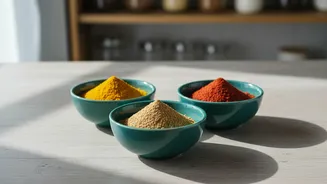
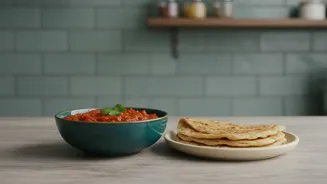
The main culprits are foods with high acidity or salt content. Being mindful of these can help you make better storage choices. The list includes many common kitchen staples: tomato-based sauces, citrus fruits like lemons and limes, and anything containing a significant amount of vinegar, such as salad dressings or pickles. Even some fruits, like rhubarb, berries, and apples, are acidic enough to react with the foil. Heavily salted foods, such as cured meats, can also accelerate the corrosion of aluminium. Spices like paprika and chili powder can also increase the rate at which aluminium leaches into food. The simple rule is: if it's acidic or very salty, foil is not its friend for long-term storage or cooking.
Is Leached Aluminium a Health Concern?
Aluminium is one of the most abundant metals on earth and is naturally present in small amounts in most foods, drinking water, and even some medications like antacids. Healthy bodies are very efficient at excreting the small amounts of aluminium we absorb. Health authorities like the European Food Safety Authority have established a tolerable weekly intake for aluminium, and most people consume far less than this amount from all sources combined. However, studies show that cooking with foil, especially with acidic or spicy ingredients, can significantly increase the aluminium content in a meal, sometimes providing a substantial portion of the weekly tolerable limit in a single serving. While there is no definitive evidence linking typical dietary aluminium intake from foil to diseases in healthy individuals, minimizing unnecessary exposure is a sensible approach. The concern is more significant for individuals with impaired kidney function, as their bodies cannot eliminate aluminium effectively.
Smarter, Safer Storage Solutions
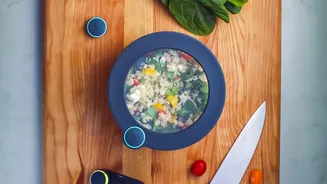
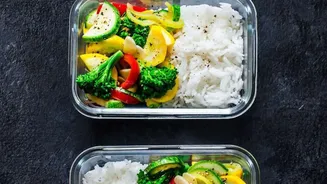
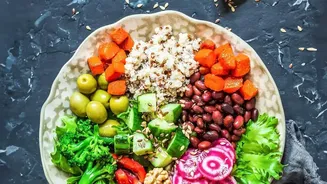
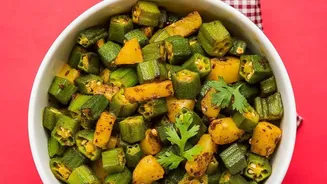
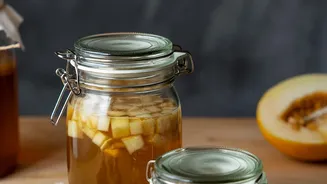
Fortunately, there are simple and effective alternatives for storing your leftovers. Glass containers are widely considered the gold standard. They are non-reactive, meaning they won't interact with your food, and they don't absorb stains or odours. They can typically go from the refrigerator to the microwave or oven (without the lid), making them highly versatile. High-quality ceramic containers offer similar non-reactive benefits and can be attractive enough to go from fridge to table. Food-grade silicone and certain types of plastic containers are other good options, though it's important to ensure they are free from chemicals like BPA. If you must use foil to cover a dish, you can create a barrier by placing a sheet of parchment or wax paper between the food and the foil to prevent direct contact. For short-term storage of non-acidic foods like sandwiches, foil remains a convenient choice.