






The Science Behind the Splash
The key to this technique lies in the vagus nerve, the longest cranial nerve in your body. It acts as the main highway of your parasympathetic nervous system, often called the “rest and digest” system. When you’re anxious, your sympathetic nervous system—the
“fight or flight” response—is in control, leading to a racing heart and shallow breathing. Stimulating the vagus nerve helps shift your body back into the calmer, parasympathetic state. This nerve is highly responsive to certain cues, one of which is a sudden change in temperature, especially on the face.
Meet the Mammalian Dive Reflex
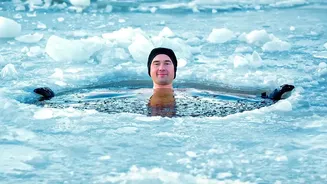
Submerging your face in cold water triggers a primal, automatic survival mechanism known as the mammalian dive reflex. This response, shared by all mammals, is designed to conserve oxygen when underwater. When the cold-sensitive receptors around your nose and cheeks are activated, they send a signal via the vagus nerve to slow your heart rate and redirect blood flow to your vital organs. This powerful physiological shift effectively interrupts the body’s panic response, acting like a reset button for your nervous system.
From Physical Shift to Mental Calm
The connection between this physical reflex and anxiety relief is direct. By slowing your heart rate, the dive reflex signals to your brain that the immediate danger has passed. This process helps you move out of a state of high alert and into one of relative calm. It’s a form of biohacking, using a physical stimulus to intentionally regulate your emotional state. The quick, noticeable change in your body’s arousal level can provide immediate relief during moments of overwhelming anxiety or panic, helping you feel more grounded and in control within seconds.
How to Try Cold Water Dipping
Trying this at home is simple. First, ensure your face is clean. Fill a large bowl—big enough for your face—with cold water and add a handful of ice cubes. Take a deep breath and hold it before submerging your face for 15 to 30 seconds. There's no need to push past your comfort level; even a short dip is effective. Beginners should start with shorter durations of around 10-15 seconds. After the dip, gently pat your face dry and apply a moisturizer, as the cold can be drying to the skin.
Important Risks and Considerations
While generally safe, this technique is not for everyone. The shock of the cold can cause a rapid change in heart rate and blood pressure. Individuals with cardiovascular conditions should consult a doctor before trying it. It's also not recommended for those with skin conditions like rosacea, eczema, or cold urticaria (hives caused by cold), as the extreme temperature can trigger flare-ups or irritation. If you experience pain, numbness, or excessive redness, you should stop immediately. The goal is a therapeutic reset, not a painful shock to the system.