






From Sightseeing to Self-Care
The traditional idea of a holiday—a frantic, week-long dash across five cities to tick off landmarks—is losing its appeal for young Indians. Instead of asking, “What sights do I need to see?”, the new question is, “What experience will help me feel better?”.
This marks a profound shift from travel as a luxury to travel as a non-negotiable act of maintenance for mental well-being. In a world of constant connectivity and high-pressure work environments, Gen Z and millennials are increasingly viewing travel not as an indulgence, but as a proactive investment in their happiness and a necessary break from the daily grind. The goal is no longer to return with a camera full of photos, but with a sense of genuine refreshment.
The Burnout Generation Seeks Refuge
India's hustle culture, marked by long work hours and immense professional pressure, has produced a generation grappling with significant workplace stress. A 2023 Deloitte survey found that 80% of Indian professionals reported experiencing moderate to severe stress, one of the highest rates in the Asia-Pacific region. For this generation, burnout is not just a buzzword; it's a clinical condition driving them to seek temporary exits. Travel has become a primary coping mechanism. The motivation isn't simple wanderlust, but a direct response to emotional exhaustion, digital fatigue, and the need to break free from the monotony of routine. These are not just holidays; they are 'menty b' trips—breaks taken specifically because they feel overwhelmed and need out.
What 'Mindful Travel' Looks Like
This focus on well-being is shaping the 'what' and 'how' of travel. Instead of jam-packed itineraries, the preference is shifting towards slower, more intentional journeys. Wellness tourism in India, encompassing everything from yoga retreats in Rishikesh to Ayurvedic programs in Kerala, is growing significantly faster than conventional tourism. Young travellers are embracing 'dry tripping', prioritising rest and meaningful experiences over packed social schedules. Another key trend is the digital detox. Retreats offering phone-free environments are no longer seen as a deprivation but as the entire point of the trip, offering a rare chance to be genuinely unreachable. This new travel style prioritises balance over optimisation and nourishment for the body, mind, and spirit.
The Rise of the Solo Traveller
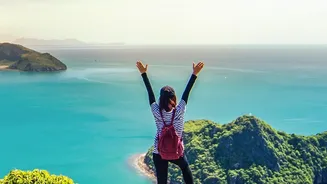
A significant manifestation of this trend is the boom in solo travel. Driven by a desire for self-discovery and a break from the chaos of daily life, 84% of Indian travellers are planning solo trips, a figure that surpasses the global average. For many, travelling alone offers a unique sense of freedom and control over their experiences, allowing them to reconnect with themselves without compromise. While the fear of loneliness remains a concern for some, a growing number of young Indians, including women, are breaking stereotypes to venture out on their own. This is not about avoiding people, but about valuing personal freedom and the mental clarity that comes with navigating the world on one's own terms.
Experiences Over Everything
Ultimately, this movement is about prioritising experiences that offer genuine connection and restoration. Instead of chasing viral recommendations, many now seek undiscovered places. The destination is often secondary to the 'why' of the trip—whether it's to slow down in nature, explore a new cuisine, or simply rest. This shift is reflected in accommodation choices as well, with a growing preference for unique stays and vacation homes over standard hotels. Young Indian travellers are making it clear that a trip's success is measured not in miles covered or landmarks seen, but in the quality of the moments and the feeling of returning home genuinely restored.