
The Unspoken Rule of Monsoon Decor
For as long as anyone in India can remember, preparing the home for the monsoon meant a tactical retreat. Heavy carpets were rolled up, thick drapes were swapped for sheer ones, and any fabric that couldn't dry in a flash was stored away. The logic was sound:
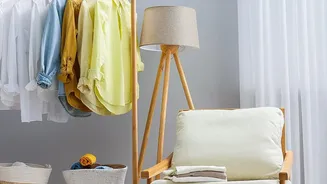
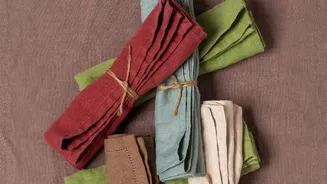
in a season defined by high humidity, slow-drying materials like heavy cottons, velvets, and dense upholstery become magnets for moisture. This dampness doesn't just feel unpleasant; it creates a breeding ground for mould and mildew, leading to musty odours and potential health issues. Lightweight, breathable fabrics like fine cotton, linen, and sheer voile became the undisputed champions of the rainy season, praised for their ability to dry quickly and keep rooms feeling fresh.
A Shift Towards Coziness and Comfort
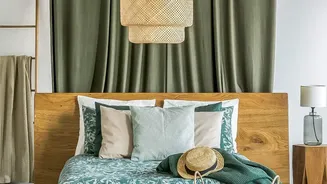
Recently, a quiet rebellion has been brewing against this starkly practical approach. As we spend more time indoors during the rains, the desire to create a warm, inviting sanctuary has grown stronger. The focus is shifting from purely functional decor to creating a cozy, layered atmosphere that offers comfort from the grey, gloomy weather outside. This trend, sometimes called "Còsagach" (a Scottish concept for feeling snug and sheltered), prioritizes rich textures and warm tones to make a home feel like a protective haven. People are no longer content with sparse interiors and are instead looking to introduce elements of softness and luxury, regardless of the season.
The Allure of Heavier Textiles
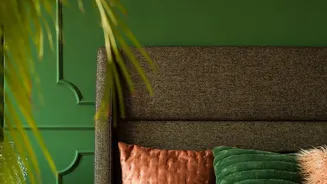
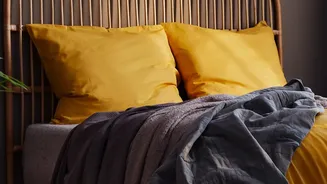
This is where slow-drying fabrics re-enter the picture. Materials like velvet, chenille, boucle, and thick woven cottons offer a tactile richness and visual depth that lightweight fabrics simply cannot match. Their plush textures invite you to curl up with a book and a cup of tea, perfectly complementing the romantic mood of a rainy day. In a decor landscape moving towards warmth and personality, these textiles add a layer of opulence and comfort. From a single velvet armchair to a set of chunky knit cushions, these pieces can transform a room from a purely practical space into an emotionally resonant one, making the home a true retreat from the downpour.
Making It Practical in a Modern Home
The return of these fabrics is not just about aesthetics; it’s also enabled by modern technology and smarter home management. The biggest enemy of heavy fabrics—humidity—can now be effectively controlled. The widespread use of air conditioners and, increasingly, dehumidifiers can keep indoor humidity levels below the 60% threshold where mould begins to thrive. This dramatically reduces the risk associated with using moisture-absorbent materials. Furthermore, many modern textiles come with treatments that make them more resistant to stains and microbes, offering an extra layer of protection. Moving furniture a few inches away from walls to improve air circulation is another simple but effective strategy to prevent dampness from setting in.
How to Embrace the Trend Wisely
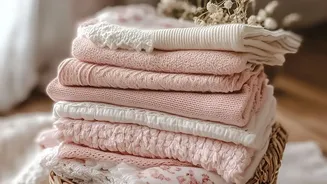
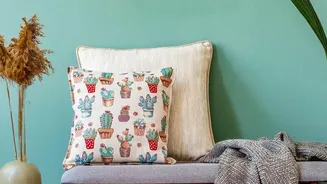
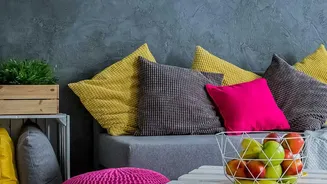
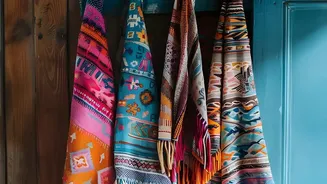
If you're tempted to introduce cozier fabrics this monsoon, the key is balance and strategy. You don't need to upholster your entire living room in velvet. Start with smaller, manageable accents. Think cushion covers, throws, or a statement rug in a less-trafficked area. These can be easily aired out or swapped if they begin to feel damp. Reserve these luxurious textiles for rooms where humidity is well-controlled. If your space relies on natural ventilation, it's safer to stick with quick-drying options for larger items like curtains and sofas. By thoughtfully incorporating these fabrics as accents, you can enjoy their warmth and beauty without succumbing to the challenges of the season.